梱包は、ガーデン製品の注文において最後の工程として扱われがちです。大型の屋外製品の場合、それはリスクを伴います。温室、金属製ガーデンシェッド、収納ボックス、キャビネット、パティオ製品、その他のフラットパック製品は、カートン、ラベル、取扱説明書、金具の識別表示、部品保護が揃って初めて、購入者の流通経路で使用可能な形で届きます。.
問題は梱包設計だけではありません。責任の所在です。誰が梱包データを提供するのか。誰がカートンのアートワークを承認するのか。誰が取扱説明書の言語を確認するのか。誰がラベル、バーコード、部品リスト、市場要件を確認するのか。これらの責任が注文確定前に明確になっていなければ、プロジェクトは未決定事項を抱えたまま生産に入る可能性があります。.
このチェックリストは、輸入業者、小売業者、流通業者、プライベートブランドのバイヤー、品質保証/オペレーションチーム向けに作成されています。サプライヤーとの梱包に関する協議をサポートするものですが、法的助言ではなく、いかなる市場への適合も主張するものではありません。最終的な梱包、文書、市場要件、商業条件、責任分担は、選択した製品と仕向け市場に応じて確認する必要があります。.
梱包の一般的な原則については、LERYOUの ガーデン・アウトドア用品向けのフラットパック包装 を補足ガイドとしてご利用ください。本記事では、各梱包項目を誰が確認すべきかに焦点を当てます。.
製品と流通経路から始める
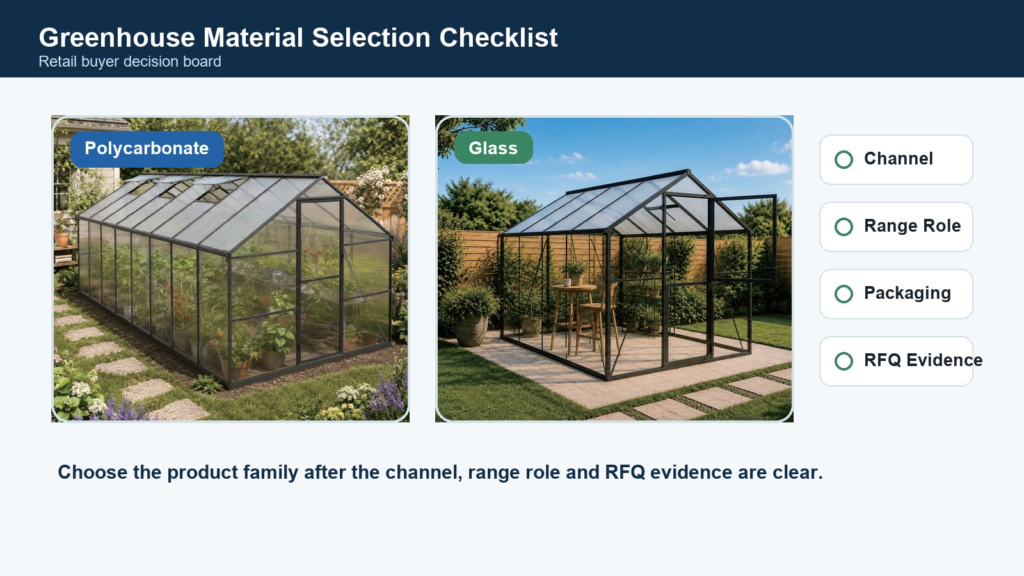
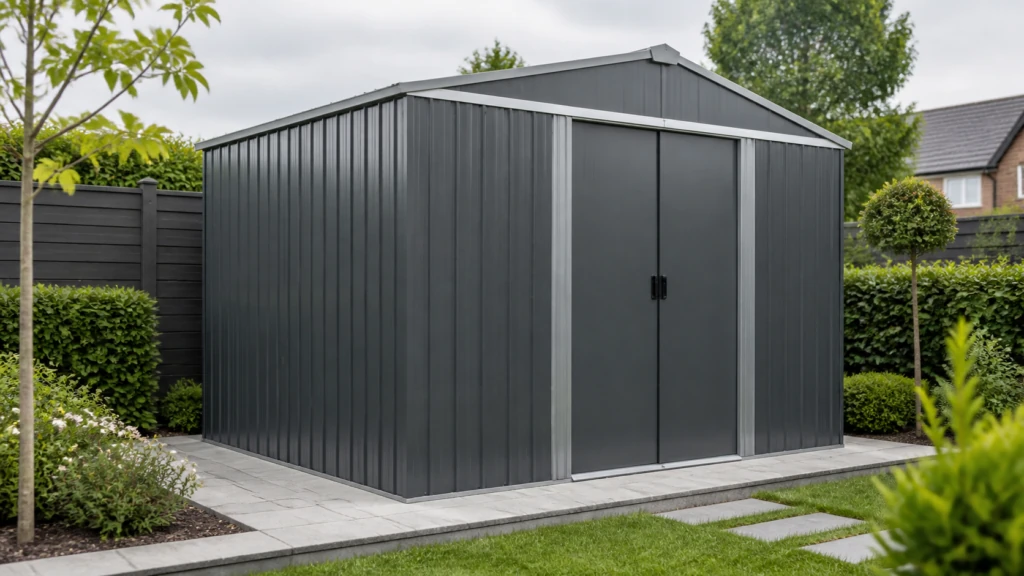
梱包は単独で検討することはできません。温室、金属製シェッド、屋外用キャビネット、収納ボックスでは、必要な部品保護、カートン構造、取扱説明書のサポートが異なる場合があります。.
記録:
- 製品ファミリー;
- 選択したモデルまたはリファレンス;
- 販売チャネル;
- 仕向け国または地域;
- 標準品、カスタマイズ品、プライベートブランド品のいずれか;
- 流通経路が小売店、ガーデンセンター、EC、卸売、マーケットプレイスのいずれか;
- バイヤーに小売業者、マーケットプレイス、または現地の文書要件があるかどうか.
この背景情報が、どの梱包項目により注意が必要かに影響します。.
梱包責任を役割別に整理する
梱包記録の各部分について、異なる当事者が責任を負う場合があります。シンプルな責任分担表を作成することで、思い込みによる問題を防げます。.
| 領域 | バイヤーが提供すべきもの | サプライヤーが確認すべきもの | 最終承認者 |
|---|---|---|---|
| 製品識別 | 製品名、SKU、流通経路での呼称 | モデルリファレンスと製品の一致 | バイヤー/プロダクトマネージャー |
| カートンアートワーク | ブランドファイル、必要なレイアウト、バーコード要件 | アートワークの実現可能性と印刷位置 | バイヤー/ブランドチーム |
| ラベル | 必要なラベルの種類と言語要件 | ラベルの位置と製造方法 | バイヤー/コンプライアンスまたは製品チーム |
| 取扱説明書 | 言語、ブランド、警告表示、または小売業者指定フォーマット(必要な場合) | 取扱説明書の構成と製品の一致 | バイヤー/製品/QAチーム |
| 部品リスト | 予備部品または部品の可視性に関する期待事項 | 金具と部品の整理方法 | バイヤーとサプライヤーの共同 |
| 梱包構造 | 流通経路と荷扱いに関する懸念事項 | カートンの分解構造と保護アプローチ | レビュー後にバイヤー/サプライヤー |
| 市場データ | 仕向け地と既知の要件 | 利用可能な文書と未解決項目 | バイヤー(必要に応じて適格な現地レビューを伴う) |
正確な責任分担はプロジェクトによって異なる場合があります。重要なのは、注文を進める前にそれを明確にすることです。.
過大な主張をせずにカートン情報を確認する
Importers and retailers often need carton data for logistics, listings and internal approval. However, carton details should be tied to the selected product and packaging version.
Ask for:
- carton count for the selected configuration;
- package dimensions and weight if confirmed;
- inner packaging and protective material direction;
- hardware bag and small-part organization;
- exterior carton labels;
- barcode or SKU label needs;
- whether carton artwork is standard, neutral or private label;
- whether packaging changes if the product configuration changes.
Do not state container-loading quantity, damage rate, packaging test result or transport performance unless verified for the exact product and package.
4. Keep manuals and product data aligned
For flat-pack garden products, manuals are part of the product experience. They also help retailers and customer-service teams manage expectations.
Check:
- manual language requirements;
- whether the manual matches the selected model;
- whether product images, diagrams and part references are consistent;
- whether hardware names and quantities match the component list;
- whether warnings or instructions require buyer-side review;
- whether the manual needs private-label branding;
- who approves the final manual before production.
If the product specification changes, the manual may need review. Do not treat a previous manual as automatically correct for a modified product.
5. Clarify private-label packaging work
Private-label packaging can involve several layers:
- カートンアートワーク;;
- brand label;
- SKU label;
- barcode;
- 取扱説明書;;
- product insert;
- warranty or after-sales information if provided by the buyer;
- marketplace or retailer data format.
The buyer should identify which materials it supplies and which materials it expects the supplier to prepare or adapt. The supplier should confirm what is practical for the selected product and package. Final commercial terms and timing should be reviewed after the scope is clear.
6. Separate packaging design from market compliance
Packaging may be affected by market rules, retailer standards, platform requirements or sustainability policies. A supplier can provide product and packaging information, but the buyer should not assume that a supplier’s general statement resolves all market obligations.
For destination-market requirements, record:
- which country or region applies;
- what packaging information is required;
- whether the requirement concerns product, packaging, label, waste reporting or documentation;
- who is responsible for local legal or compliance review;
- what evidence or documents are needed;
- whether the requirement applies to the selected product and packaging version.
Do not claim PPWR, EPR, recycling, chemical, safety or legal compliance unless verified through the proper documents and qualified review. Use careful wording such as “information to be reviewed” or “documents to be confirmed”.
7. Review packaging before approving product changes
Product changes can affect packaging. A door change, panel change, accessory addition or hardware update may require changes to cartons, manuals, labels and part lists.
Before approving a change, ask:
- Does the package count change?
- Do carton dimensions or weights change?
- Does the manual need new diagrams?
- Are hardware bags or part labels affected?
- Does carton artwork still match the product?
- Do product images and listing data need updates?
- Does the change affect any buyer or market requirement?
This is where 機能 can support the article as a process link: specification confirmation, customization review, approval and shipment preparation should stay connected.
8. Build a packaging approval file
A packaging approval file does not need to be complicated, but it should be controlled.
Suggested file list:
- approved product specification;
- approved product images or reference model;
- carton artwork files;
- label files;
- barcode or SKU data;
- manual version;
- component and hardware list;
- package count and package data if confirmed;
- packaging photos or structure notes if available;
- open issue list;
- approval date and responsible person.
The goal is traceability. If a buyer, supplier or internal team asks which version controls the order, the answer should be easy to find.
9. Packaging responsibility checklist
Use this checklist before order confirmation:
| Question | Owner to confirm |
|---|---|
| Is the selected product and configuration clearly identified? | Buyer + supplier |
| Does the packaging match the approved product? | Supplier, reviewed by buyer |
| Are carton artwork and labels approved? | バイヤー/ブランドチーム |
| Are manual language and model references correct? | Buyer/product or QA team |
| Are component names and hardware bags aligned with the manual? | Supplier, reviewed by buyer |
| Are barcode, SKU and retail data requirements clear? | Buyer |
| Are market or retailer packaging requirements identified? | Buyer with local/qualified review where needed |
| Are open items listed instead of assumed? | Buyer + supplier |
| Are final commercial and timing terms reviewed after scope is clear? | Buyer + supplier |
10. Common packaging responsibility mistakes
Mistake 1: Asking the supplier to “handle packaging” without a brief
The supplier needs channel, branding, label and documentation requirements to review the correct packaging direction.
Mistake 2: Treating carton artwork as the only packaging issue
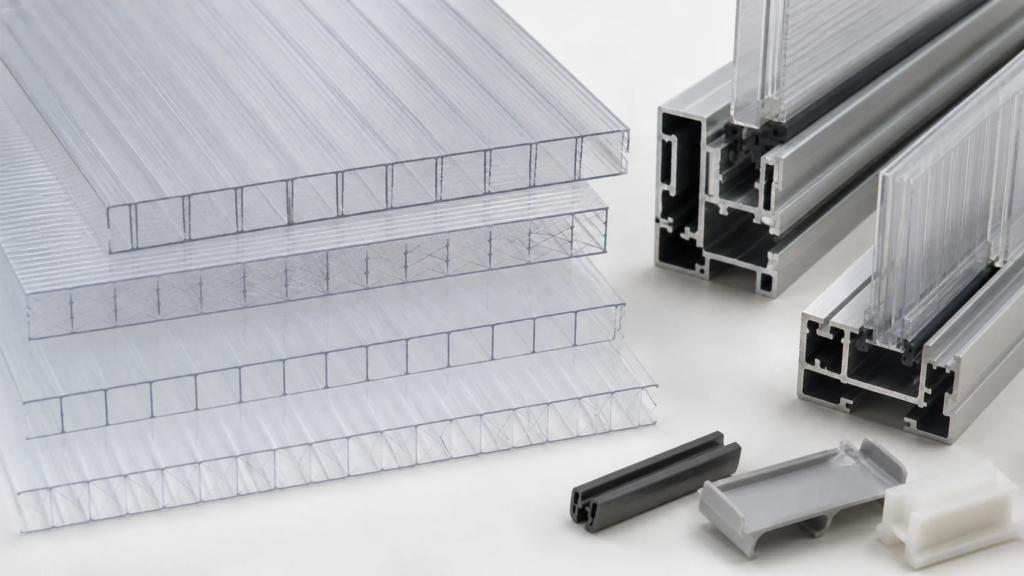
Component protection, hardware organization, manuals and labels can matter as much as visible artwork.
Mistake 3: Mixing old and new product files
If the product changes, packaging and manual files may also need review.
Mistake 4: Assuming market compliance from a generic statement
Market requirements should be tied to the destination, product, packaging version and responsible party.
Mistake 5: Leaving approval responsibility unnamed
Someone must approve final artwork, labels, manuals and product data before production.
よくある質問
Who is responsible for packaging compliance?
Responsibility depends on the market, product, buyer role and agreement between parties. The buyer should confirm local obligations with qualified advisers where needed. The supplier can provide product and packaging information for review.
Can LERYOU provide packaging and documentation support?
LERYOU’s public 機能 page describes specification confirmation, customization review, approval and shipment preparation processes. Project-specific packaging and documents must be confirmed for the selected product and order scope.
Should packaging be reviewed before or after the quotation?
Basic packaging requirements should be shared before quotation. Final packaging details can be confirmed during project review, but they should not be left invisible until the end.
What if the buyer does not know the final packaging requirements?
List the known channel, target market, product direction and open questions. A visible open item is safer than an unsupported assumption.
CTA: Discuss packaging and documentation requirements
If your team is preparing a greenhouse, garden shed or outdoor product order, define packaging responsibility before final quotation or production approval. Review LERYOU’s ガーデン・アウトドア用品向けのフラットパック包装, 探検する ソリューション そして 機能, 、または LERYOUへのお問い合わせ with your product direction, target market, channel, packaging needs and open documentation questions. Final specifications, responsibilities, commercial terms and timing should be confirmed for the selected program.

 English
 Deutsch
 Français
 Español
 Italiano
 Polski
 日本語
日本語 한국어
한국어 Nederlands
 Čeština
 Português do Brasil
 Русский