Voor importeurs, distributeurs, detailhandelaren, projectinkopers en private-labelteams voor buitenopslag
De inkoop van commerciële fietsenstallingen moet beginnen met vijf uitgangspunten: aantal fietsen, beschikbare oppervlakte, toegangsrichting, vereist afsluitniveau en verpakking voor de doelmarkt. Kopers kunnen vervolgens open shelters, halfgesloten constructies, combinaties met opslagruimte en gesloten fietsboxen vergelijken aan de hand van modelspecifieke afmetingen en specificaties.
Deze gids zet die uitgangspunten om in een praktisch inkoop- en RFQ-proces. De gids vervangt geen lokale planning, toegankelijkheids-, brand-, constructie- of installatie-eisen en kent niet één prestatieniveau toe aan elk product binnen een familie.
Kort antwoord: bevestig het programma van eisen voordat u een formaat kiest
De nuttigste eerste vergelijking is niet “welke shelter ziet er het beste uit?” Het gaat erom of het voorgestelde formaat past bij de gebruikers, fietsen, locatie en het leveringsprogramma. Een koper moet het volgende vastleggen voordat hij een offerte aanvraagt:
- Gebruiker en kanaal: werkplek, woonproject, wederverkoop in de detailhandel, publiek project of een andere context voor gedeeld gebruik.
- Fietsvraag: geplande hoeveelheid, fietstypen en of er rekening moet worden gehouden met niet-standaard frames of accessoires.
- Locatie-envelop: maximale breedte, diepte en hoogte, plus een vrije route naar en rondom de unit.
- Toegang en afsluiting: open voorzijde, deuren, opklapbaar deksel, interne rails, combinatie met opslagruimte of een andere gecontroleerde configuratie.
- Leveringsomvang: afwerking, labels, handleidingen, verpakking, hoeveelheidsbereik, bestemming en vereist productbewijs.
Gebruik de LERYOU Fietsenstalling-serie om beschikbare productfamilierichtingen te identificeren en houd de offerte vervolgens gekoppeld aan het geselecteerde model en de configuratie.
Vergelijk commerciële fietsenstallingformaten per gebruikssituatie
| Formaatrichting | Typische toegang | Koper moet bevestigen | Mogelijke rol in het assortiment |
|---|---|---|---|
| Open shelter | Directe benadering vanaf de open zijde | Aantal fietsen, shelteroppervlakte, railindeling, toegangsgang en locatieoriëntatie | Gedeeld parkeren waar zichtbaarheid en directe doorstroming prioriteit hebben |
| Halfopen afdak | Open toegang met zij- en achterbescherming | Paneelindeling, toegangsbreedte, dakrichting, interne circulatie en bevestigingsinterface | Een duidelijker afgebakende parkeerzone zonder volledig gesloten ruimte |
| Shelter met opslagruimte | Gescheiden of gecombineerde toegangszones | Welke items in elke zone horen, deurposities, scheidingswandindeling en bruikbare afmetingen | Projecten die fietsparkeren combineren met een andere opslagtaak |
| Gesloten fietsenberging | Voor- of zijdeuren, afhankelijk van de configuratie | Vrije deuropening, sluitbeslag, interne indeling, ventilatierichting en basisdetails | Programma's die een duidelijk afgesloten begrenzing vereisen |
| Individuele of compacte fietsbox | Opklapbaar deksel, vooropening of gecombineerde toegang, afhankelijk van het model | Bedieningsruimte, laadvolgorde van fietsen, interne afmetingen en beslag | Laagprofiel of lagere capaciteit waar de exacte fietspasvorm is geverifieerd |
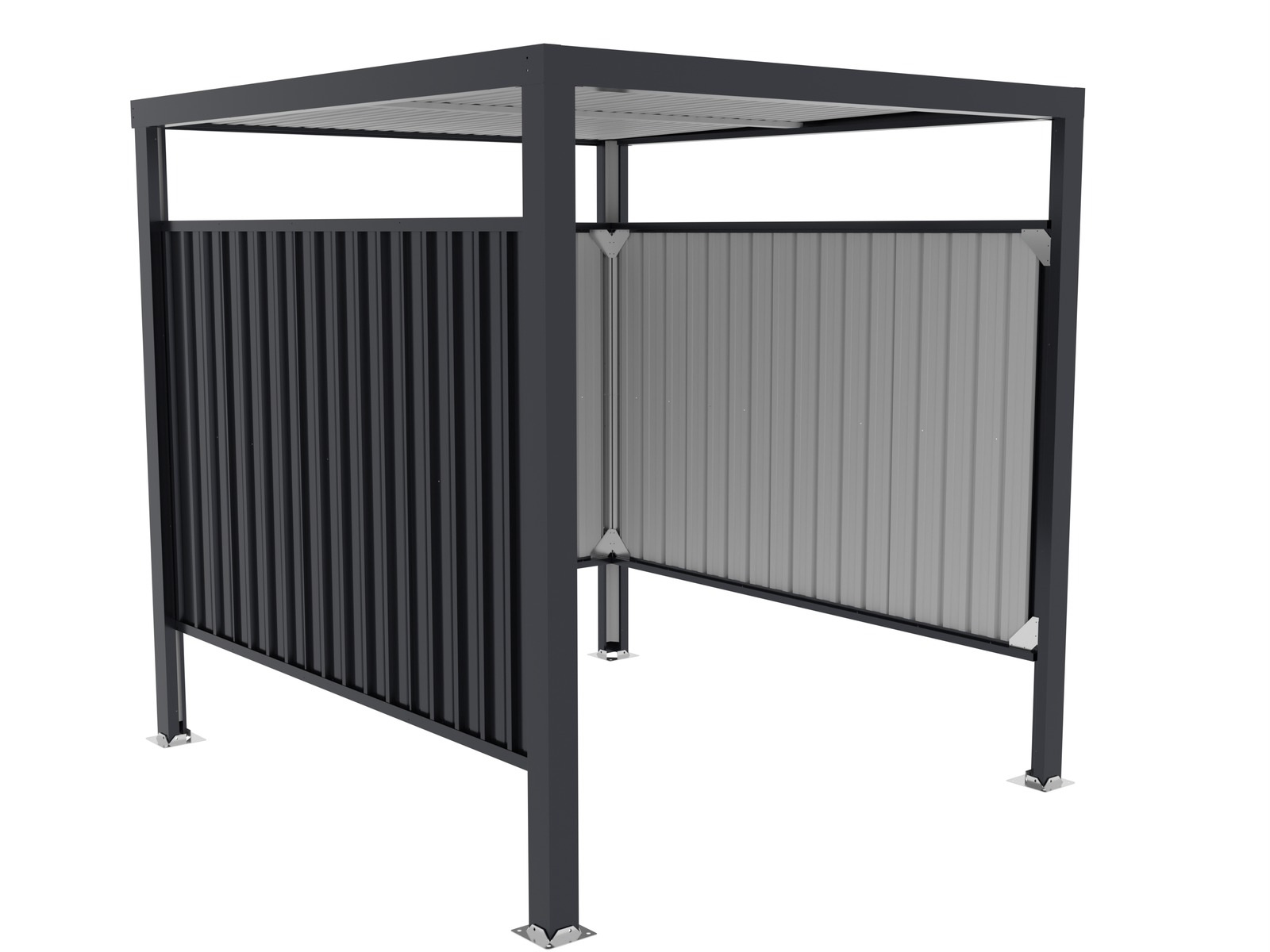
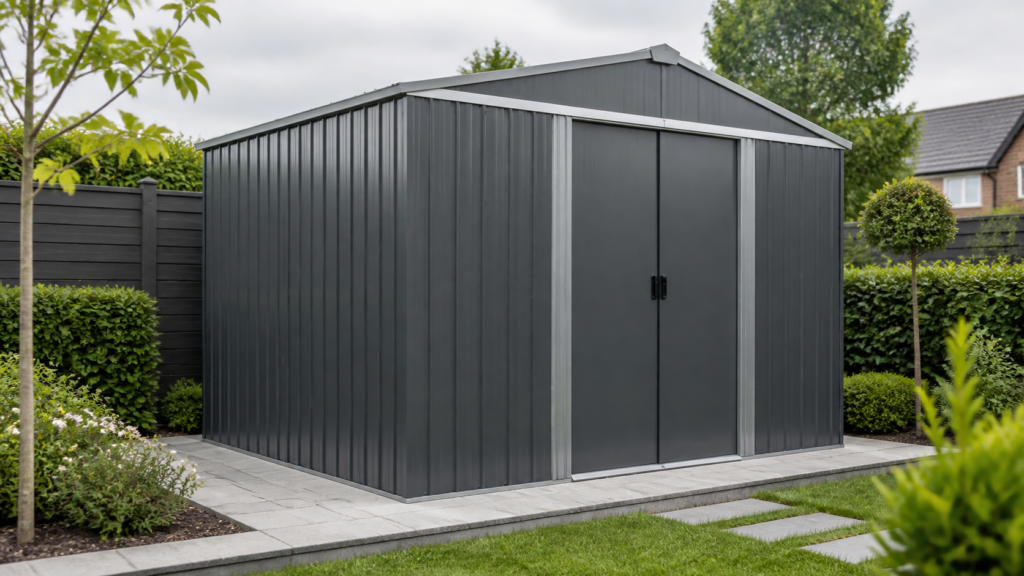
Dit zijn inkoopcategorieën, geen universele specificaties. Het huidige assortiment van LERYOU omvat halfgesloten shelters, combinaties van shelter en opslag en gesloten box- of bergingsrichtingen, maar toegang, materialen en afmetingen variëren per configuratie.
Begin met parkeerduur en gebruikersverwachtingen
Korte bezoeken en langere stallingsperioden kunnen verschillende verwachtingen scheppen op het gebied van toegang, beschutting en controle. De Association of Pedestrian and Bicycle Professionals maakt in haar richtlijnen onderscheid tussen kort- en langparkeren van fietsen en merkt op dat langparkeerders meer waarde hechten aan veiligheid en beschutting. Voor een importeur of distributeur is dit een nuttig onderscheid voor de briefing, geen productcertificering.
Vertaal de gebruikerscontext naar zichtbare productvelden. Leg vast of gebruikers snelle open toegang nodig hebben, een deur of deksel, een intern georganiseerde railindeling, een afzonderlijke afsluitbare zone of een volledig gesloten begrenzing. Bepaal vervolgens welke claims bewijs vereisen. Een product mag niet als “veilig”, weerbestendig of conform worden omschreven alleen omdat het wanden heeft of er op een afbeelding afsluitbaar uitziet.
Open fietsenstallingen en halfopen fietsenbergingen
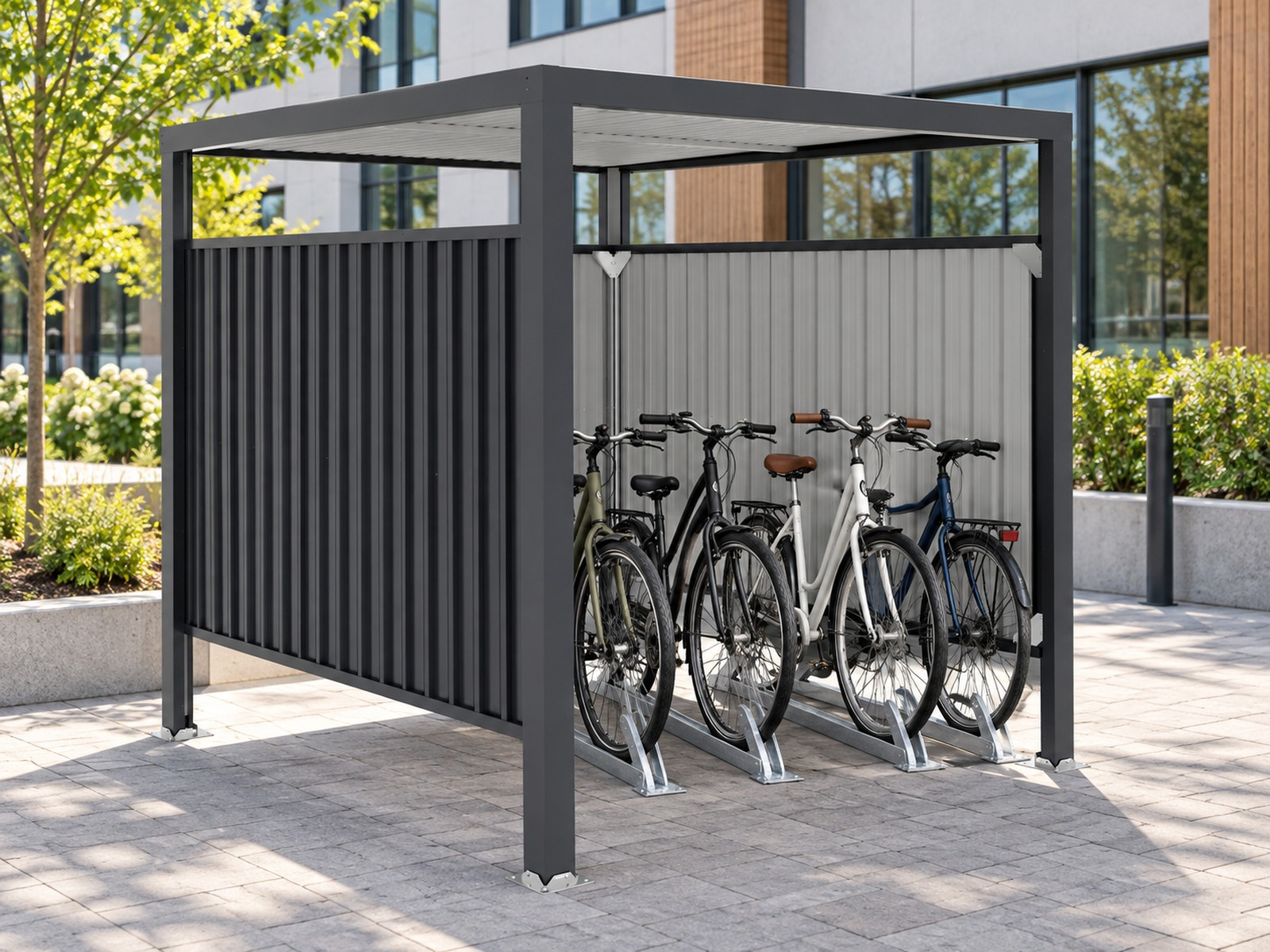
Een open commerciële fietsenstalling kan in- en uitrijden eenvoudig maken. Zij- en achterpanelen kunnen een duidelijker afgebakend gebied creëren, terwijl het dak en het frame de totale omvang bepalen. Kopers moeten de open zijde, de aanrijrichting en de benodigde vrije ruimte voor gebruikers bevestigen voordat zij de fietspositie bereiken.
De methode van fietsondersteuning is even belangrijk als de stallingbehuizing. Interne rails, geleiders of standaards beïnvloeden de wielpositie, stuuruitslag en de volgorde waarin fietsen worden gestald. Als de gekozen configuratie gebruikmaakt van verspringende of individuele rails, moeten de tekening en de specificatie de werkelijke opstelling tonen in plaats van te vertrouwen op een algemene capaciteitsaanduiding.
Voor categorieplanning die verder gaat dan één product: vergelijk de Outdoor Storage Solutions for Retailers and Importers. It helps separate bicycle storage from bin storage, metal boxes and outdoor cabinets before a range is built.
Enclosed bicycle sheds and compact bicycle boxes
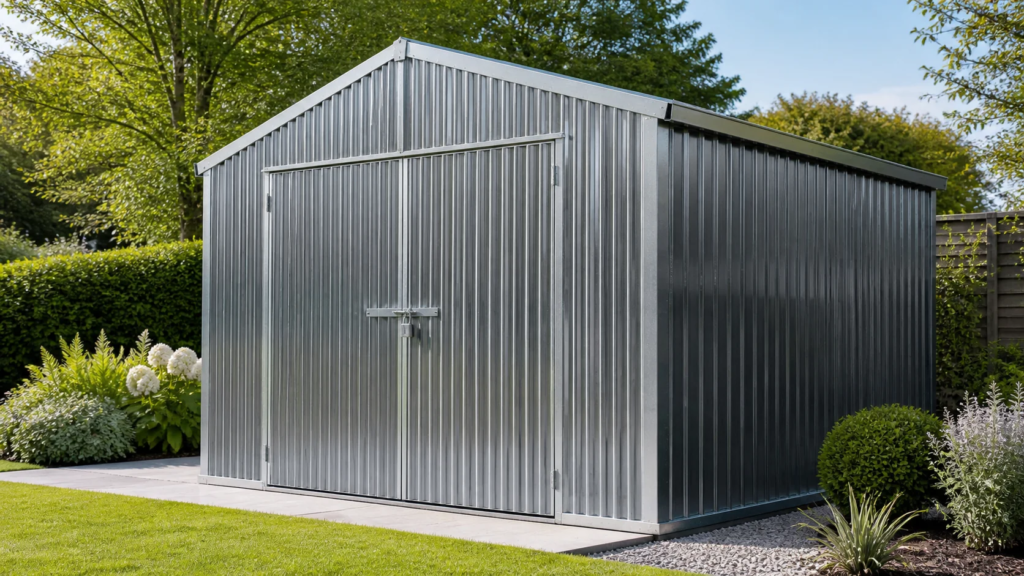
An enclosed shed introduces doors, walls and a controlled internal area. That can be useful when a project brief calls for a more defined boundary, but buyers still need to review door swing, clear opening, bicycle turning path, internal organization and the foundation or fixing interface. A double-door photograph does not confirm that every bicycle can enter without interference.
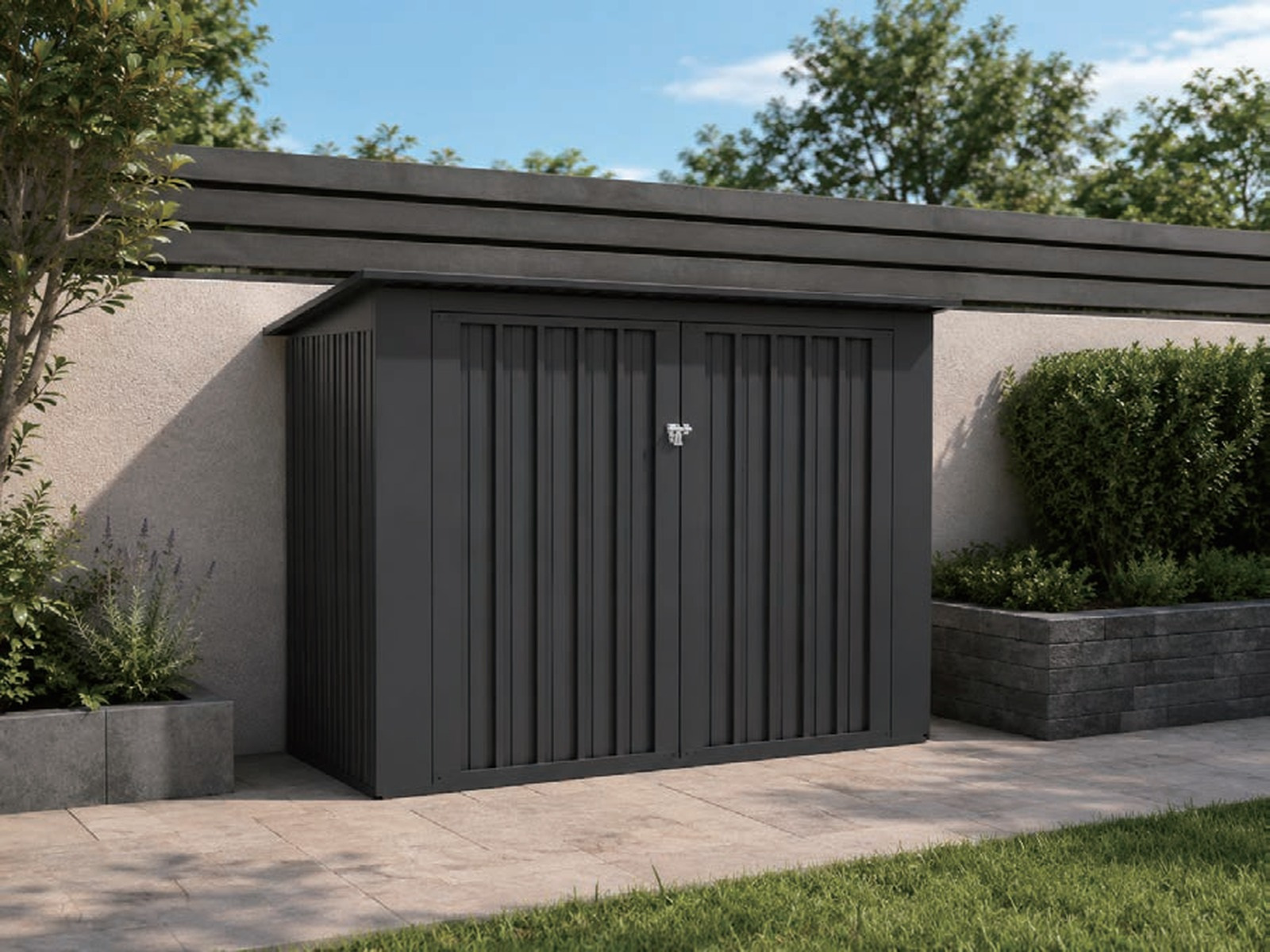
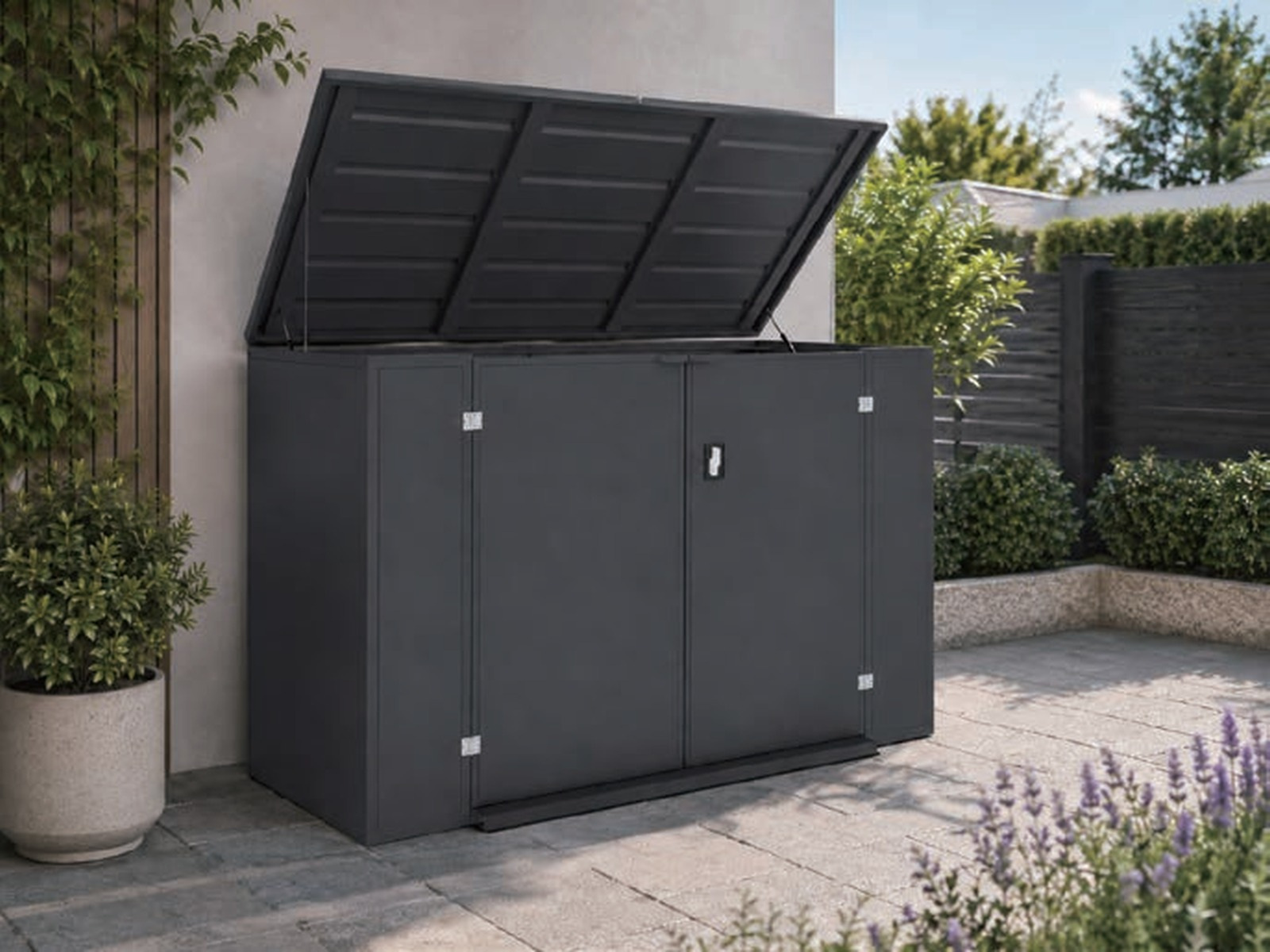
A low bicycle box can use a lift-up lid, front doors or a combined opening direction. The operating envelope may extend above, in front of or behind the closed product. That clearance belongs in the specification and site review. Buyers should also confirm whether the pictured tracks, base, lock or accessories are standard, optional or shown only for product-family context.
Capacity is more than a headline bicycle count
A nominal capacity can be a useful starting point, but it should not be the only selection field. Bicycle size, handlebar width, baskets, child seats, tyre width and frame geometry can change the usable arrangement. A layout that fits standard bicycles in a controlled test may not represent every user group.
Review capacity through five checks:
- Position count: how many defined bicycle positions are included in the selected configuration?
- Usable spacing: what spacing and stagger are shown in the approved drawing?
- Access route: can a user reach, turn and remove a bicycle without blocking the approach?
- Opening clearance: do doors, lids and bicycle tracks operate within the available site envelope?
- Bicycle range: which bicycle types were considered, and which require a separate fit review?
Capacity language on a product page, carton, manual and sales quotation should refer to the same configuration. When a family includes several sizes, keep a separate controlled record for each quoted model.
Create one controlled product record
Good B2B content begins with consistent product data. Before a listing is released, align the quotation, product sheet, drawing, assembly manual, packaging artwork and image set. At minimum, the controlled record should identify:
- external width, depth and height;
- usable internal dimensions where relevant;
- clear entry, door or lid opening;
- frame, wall and roof material direction for the selected configuration;
- bicycle-support components and accessory inclusions;
- base, floor or fixing interface;
- finish and colour direction;
- carton count, dimensions, weights, labels and manual revision after approval.
LERYOU product-family examples include steel or aluminium-base structures and corrugated or colour-steel wall directions, depending on the selected configuration. Those examples should not be converted into a universal specification. Confirm the bill of materials and documents for the exact quotation.
Packaging and distribution planning
Commercial bike storage products can include long frame members, panels, doors, tracks and hardware. Packaging design therefore affects handling, parts protection, warehouse identification and customer assembly. Buyers should avoid treating early loading estimates as final until the product, carton structure and SKU mix are approved.
For distribution and e-commerce programs, request a packaging review covering panel separation, hardware kits, part labels, carton marks, manual language and image consistency. LERYOU’s guide to flat-pack-verpakkingen voor tuin- en buitenproducten explains the information that should be controlled before shipment planning.
OEM and private-label review
OEM review can cover selected colours, finishes, brand labels, instructions, carton artwork and other presentation fields. ODM or broader development work may involve a deeper product review. In both cases, feasibility depends on the product platform, requested change, quantity direction, destination market and approval process.
Gebruik de OEM vs ODM garden product guide to separate branding changes from product-development requests. The first RFQ should identify which fields are essential, which are preferred and which can remain standard.
Build a coherent outdoor-storage range
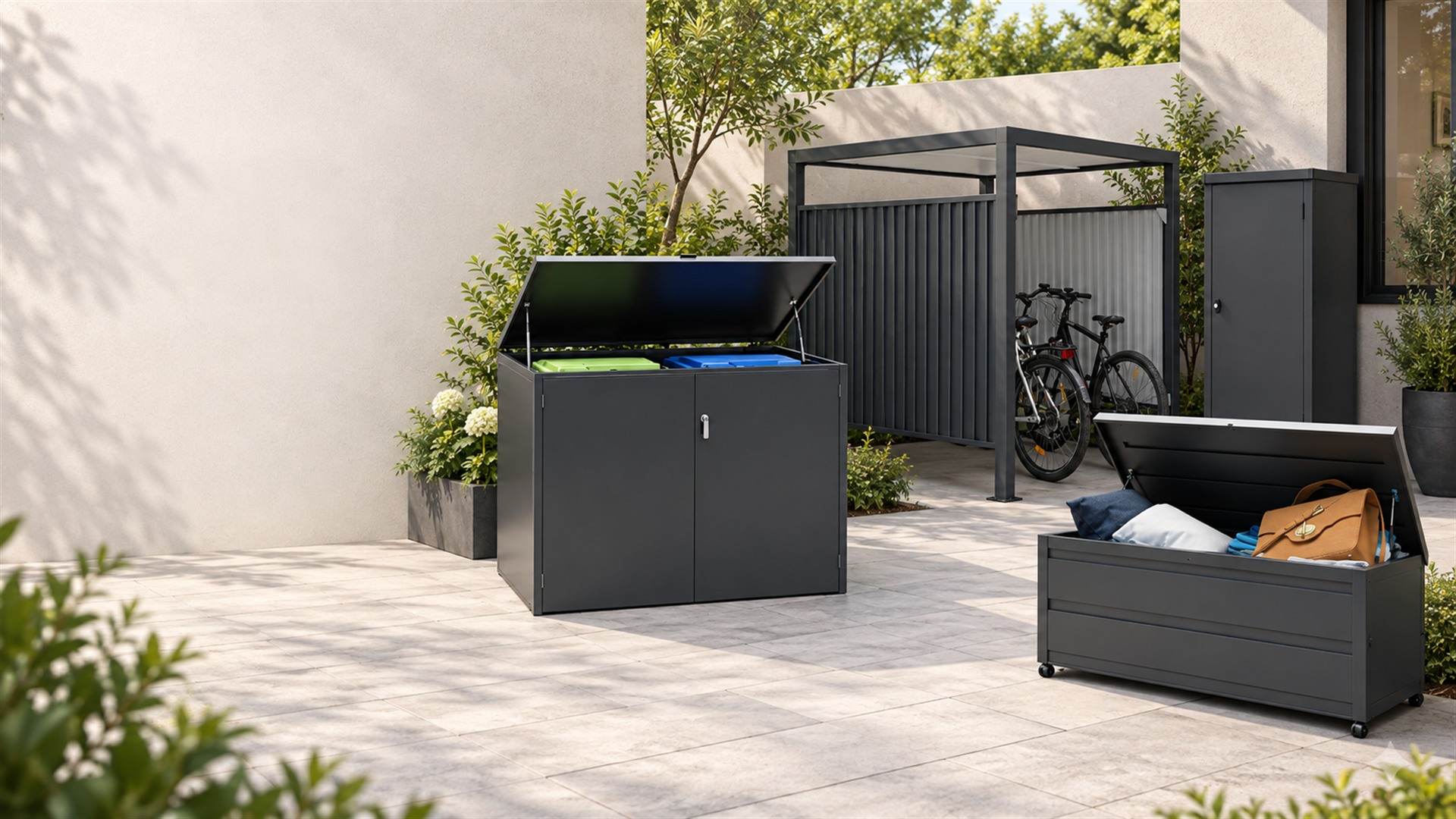
A distributor may not need bicycle storage as an isolated item. It can sit beside bin storage, metal storage boxes, outdoor cabinets and garden sheds. The category should still give each format a clear customer task. A bicycle shelter should not be substituted by a generic cabinet simply because both are made from metal panels.
Review the Outdoor Storage Solutions product category and the Wholesale Outdoor Storage Solutions page when deciding how bike storage fits the broader buying program. For retailer-facing assortment planning, the DIY gardening products guide for retailers provides additional channel context.
Commercial bike storage RFQ checklist
- Markt en kanaal: destination country, retailer, distributor, project or private-label program.
- User context: short visit, longer-duration storage or another defined operating scenario.
- Fietsvraag: planned number and any bicycle types requiring fit review.
- Locatie-envelop: maximum footprint, height, approach route and installation surface.
- Format: open shelter, semi-enclosed shelter, combined storage room, enclosed shed or compact box.
- Toegang: open direction, door or lid type, clear opening and operating clearance.
- Configuratie: structure, panels, roof, base, tracks, hardware, finish and accessories.
- Branding and packaging: labels, manual, carton artwork, marks and required languages.
- Commercial inputs: quantity range, destination, delivery assumptions and approval process.
- Evidence: required drawings, documents or performance information tied to the selected model and market.
Supplier review checklist
Before approving a supplier offer, check whether the quotation clearly identifies the selected model, included components, options, exclusions and revision. Confirm that dimensions and product images match the same configuration. Ask how packaging, manuals, labels and inspection requirements will be approved. If a performance or certification statement is commercially important, request applicable evidence for the quoted product and destination rather than accepting a family-level assumption.
The final comparison should be like-for-like. A lower price may represent a different panel set, track arrangement, hardware package, carton scope or documentation level. Resolve those differences before selecting an offer.
Veelgestelde vragen
Commerciële fietsenstalling is een product of systeem dat wordt gekozen voor gedeelde, retail-, werkplek-, woonproject- of andere georganiseerde fietsenstallingsprogramma's. De term kan open shelters, halfgesloten shelters, gesloten bergingen en individuele fietsboxen omvatten. Kopers dienen het gewenste formaat en modelspecifieke specificaties te definiëren in plaats van de term als één vast product te behandelen.
Kies op basis van gebruiksduur, gewenste afsluiting, toegangscontrole, benodigde ruimte op locatie en projectspecificatie. Een open of halfopen fietsenstalling kan prioriteit geven aan directe toegang en georganiseerd parkeren, terwijl een gesloten berging of box een beter gecontroleerde afbakening kan bieden. Veiligheids- en prestatieclaims moeten worden ondersteund door de gekozen configuratie en het bijbehorende beslag.
Begin met het aantal en de soorten fietsen en controleer vervolgens de bruikbare voetafdruk, spoorafstand, stuurinteractie, toegangspad, deur- of dekselvrije ruimte en laadvolgorde. Vergelijk producten niet uitsluitend op basis van een opvallend fietsaantal.
Vraag externe breedte, diepte en hoogte op, bruikbare interne ruimte waar relevant, vrije toegangsopening, benodigde bedieningsruimte, basis- of bevestigingsvoetafdruk en uiteindelijke verpakkingsafmetingen voor het geselecteerde model. Product-, tekening-, handleiding- en doosgegevens moeten dezelfde goedgekeurde revisie gebruiken.
Private-label- en OEM-beoordeling kan betrekking hebben op geselecteerde kleuren, afwerkingen, labels, handleidingen, doosmarkeringen en verpakkingspresentatie. Productwijzigingen, accessoires en merkassets zijn onderhevig aan haalbaarheidsbeoordeling, hoeveelheidsrichting, doelmarkt en de bevestigde productconfiguratie.
Vermeld de doelmarkt, het verkoop- of projectkanaal, het aantal en type fietsen, de beschikbare footprint, de toegangsrichting, het gewenste afsluitniveau, de voorkeursconstructie, branding- en verpakkingswensen, het aantalbereik, de bestemming en eventueel vereiste documentatie of prestatiebewijzen.
Editorial source
The distinction between short-term and long-term bicycle-parking contexts was checked against the Association of Pedestrian and Bicycle Professionals bicycle parking resources. This source informs the user-context discussion; it does not certify, endorse or define the specification of a LERYOU product.
Prepare a commercial bike storage brief
Send LERYOU your bicycle quantity, footprint, access, enclosure and packaging requirements. The team can review the product-family direction and identify the configuration details that still need confirmation before quotation.
Editorial scope note: This article is a B2B sourcing guide, not local code, planning, structural or installation advice. Product availability, dimensions, included components, performance information and documentation must be confirmed for the selected model, market and order.
 English
 Deutsch
 Français
 Español
 Italiano
 Polski
 日本語
日本語 한국어
한국어 Nederlands
 Čeština
 Português do Brasil
 Русский