Basisassortiment
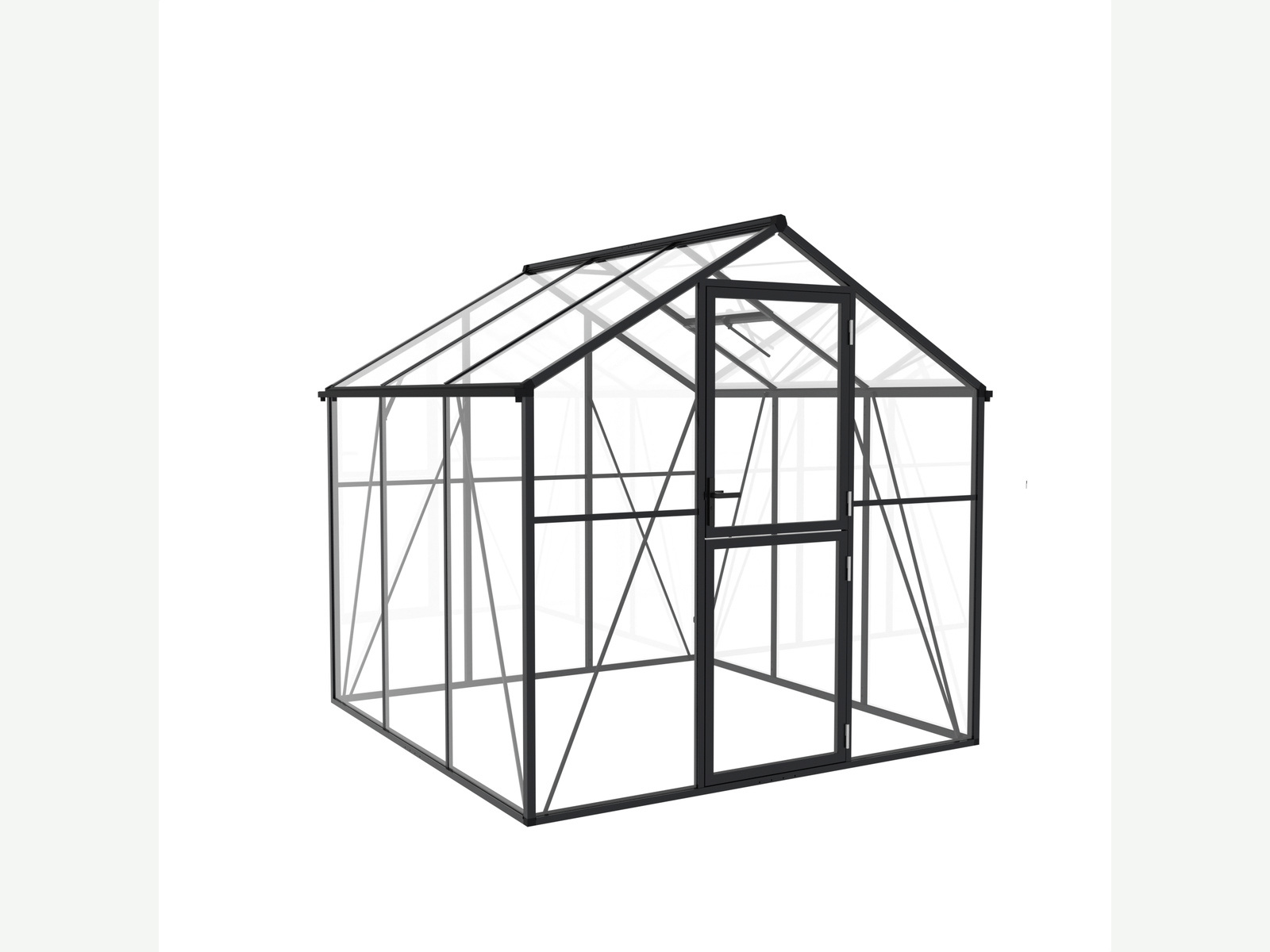
Use a broadly understandable walk-in format as the anchor, then control size and access variations under one product family.
RETAIL RANGE ARCHITECTURE
A retail greenhouse range should give customers recognisable choices without turning the category into a row of near-duplicate sizes. Product family, covering, access, footprint and installation setting each affect how the item is explained, displayed and supported. The range is easier to sell when every direction has a clear role and its own controlled data record.
LERYOU’s garden greenhouse platform spans standard walk-in, glass, lean-to, dwarf-wall, T-shaped and compact growing directions. Retail buyers can use those differences to build entry, core, differentiated and specialist positions. Final specifications, pack-out and commercial terms remain subject to confirmation for the selected items.
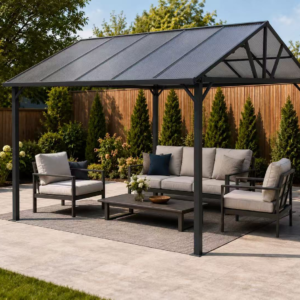
Gazebo’s met hardtop bieden een duurzame overkapping voor terrassen en tuinen, met een metalen dak, stevige frames en aanpasbare afmetingen, gordijnen en horren.
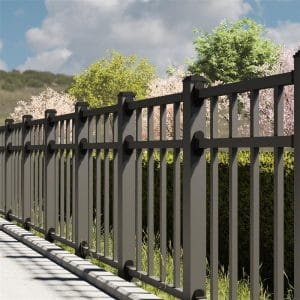
Privacyschermen voor buiten en metalen afschermingssystemen vormen moderne afbakeningen voor tuinen, terrassen en woonprojecten, met flexibele afwerkingen en indelingen.
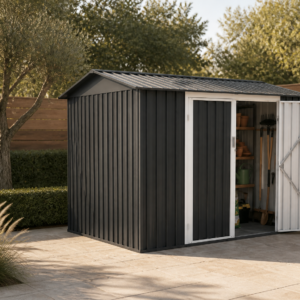
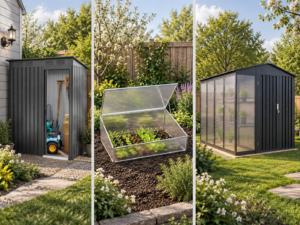
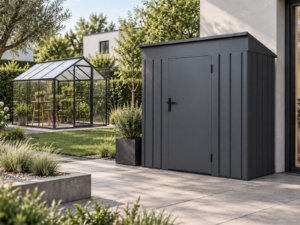
Metalen tuinhuisjes voor intensief gebruik zijn voorzien van versterkte constructies, platte stalen panelen en een ruime toegang voor fietsen, machines, gereedschap en omvangrijke tuinuitrusting.
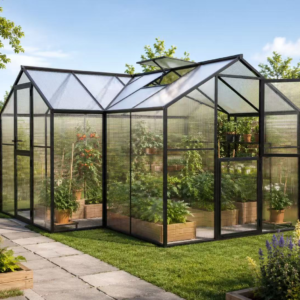
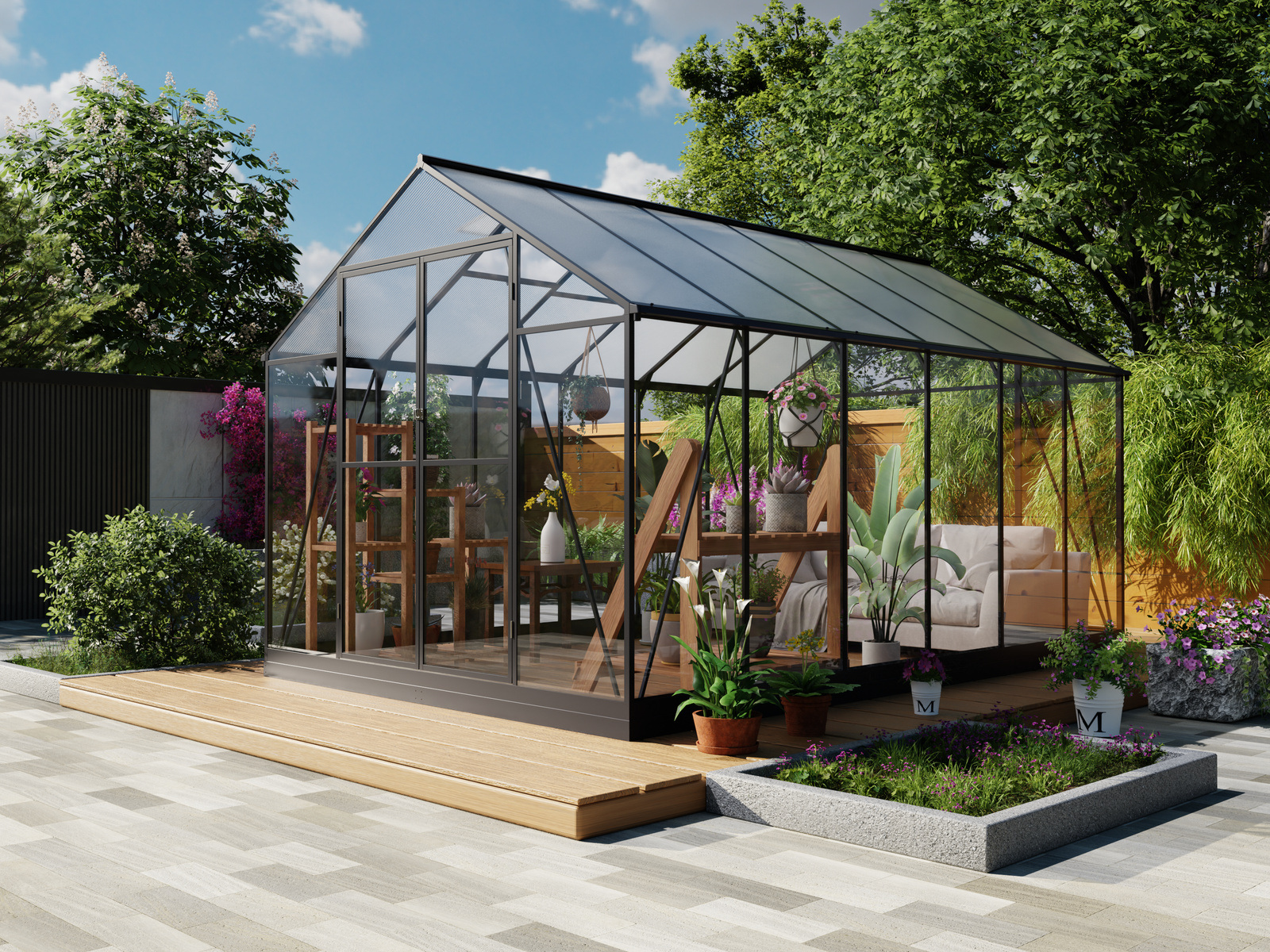
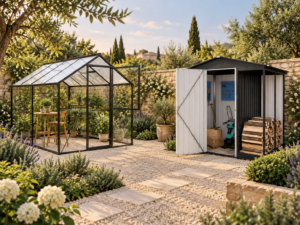
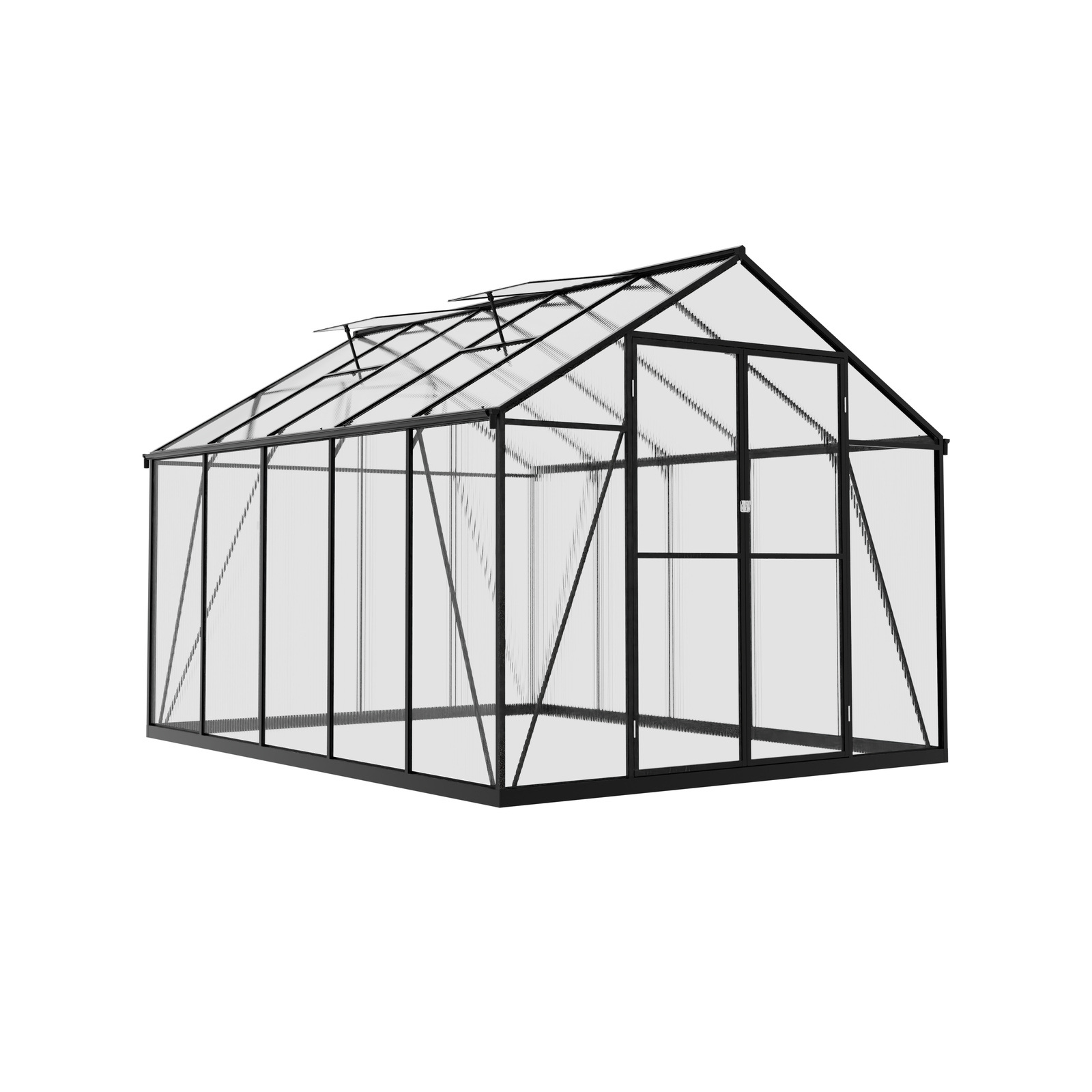
Kassen van polycarbonaat combineren een aluminium frame, duurzame beglazing en praktische ventilatie in flexibele afmetingen voor de teelt thuis, in de detailhandel en voor projecten.
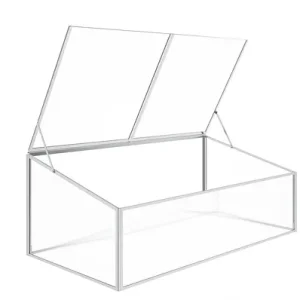
Een compacte kweekbak van polycarbonaat met twee ramen is ideaal voor het opkweeken van zaailingen en het beschermen van planten, dankzij de flexibele toegang aan de bovenkant en ventilatiemogelijkheden.
The category becomes clearer when each product direction answers a different customer or retail requirement.
Use a broadly understandable walk-in format as the anchor, then control size and access variations under one product family.
Use glass or refined architectural details where appearance and garden presentation justify a distinct position.
Use lean-to, compact or narrow formats where the installation setting is the main customer constraint.
Use T-shaped, dwarf-wall or other differentiated structures only when their product facts and imagery are sufficiently clear.
Range decisions are stronger when merchandising, technical, packaging and service records close together.
Confirms the role, naming and differentiation of each item.
Confirms the drawing, materials, access and component definition.
Confirms labels, carton data, instructions and handling fields.
Confirms how the supplied revision and parts are identified after sale.
A consistent product record helps merchandising, online listings, packaging and customer service use the same facts.
Use a stable identifier for the approved sellable configuration and revision.
Label dimension order clearly and do not reuse one model’s measurements across a family.
Describe frame and covering separately, including mixed constructions where relevant.
State door and roof-opening details only for the pictured and specified item.
Record cartons, weights and handling information from verified shipment data.
Separate supplied components from staging props, foundations and optional accessories.
 English English
 Deutsch
 Français
 Español
 Italiano
 Polski
 日本語
日本語 한국어
한국어 Nederlands
 Čeština
 Português do Brasil
 Русский