
For greenhouse importers, distributors, retailers and private-label product teams
Choosing between polycarbonate and glass greenhouses is not a universal “better material” decision. For a B2B range, the useful comparison is how each glazing direction fits the target customer, price position, handling route, frame system, package plan, assembly experience and evidence required in the destination market.
This guide uses high-interest material questions as an entry point, but every recommendation is framed for product sourcing and retail-range decisions.
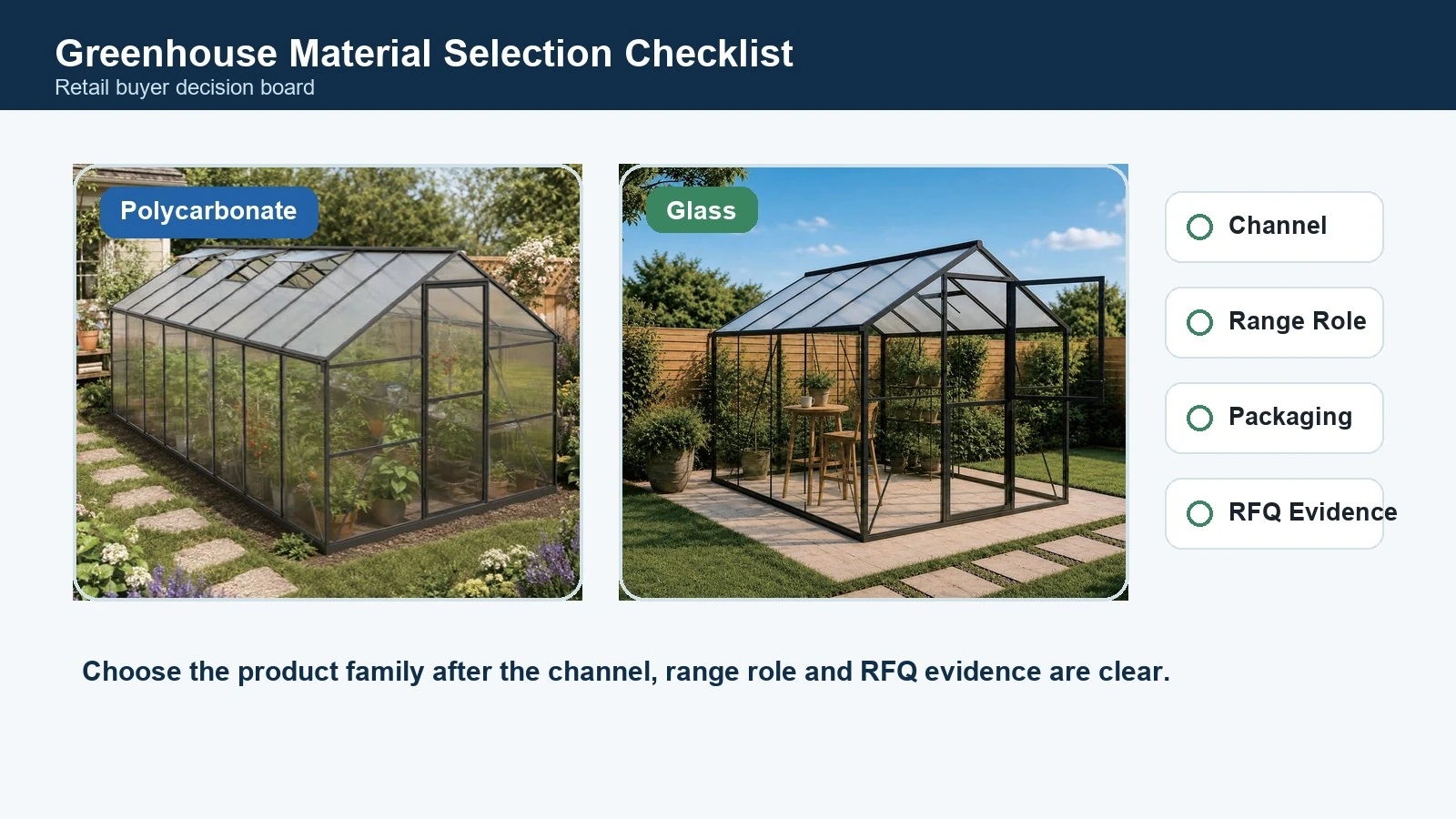
Short answer: which greenhouse direction fits a B2B range?
Polycarbonate greenhouses commonly support practical, modular ranges where panel handling, compact packing and a diffused appearance are important. Glass greenhouses commonly support clear, traditional or premium visual positions. The correct choice depends on the exact panel or glass specification, frame, access, ventilation, packaging, assembly and market requirements—not the material name alone.
| Buyer decision | Polycarbonate direction | Glass direction |
|---|---|---|
| Роль диапазона | Practical entry-to-mid or upgraded ranges, depending on structure and panel specification | Traditional or premium visual ranges, depending on structure and glass specification |
| Handling review | Protect panels from scratching, bending, edge damage and incorrect orientation | Plan for pane weight, edge protection, breakage risk and safe installation instructions |
| System check | Confirm panel construction, support spacing, connectors and protected-surface direction | Confirm glass type, pane dimensions, retention, replacement and handling scope |
| Retail data | State exact panel and complete-product configuration | State exact glass and complete-product configuration |
| Packaging approval | Keep panels separated, supported, labelled and protected | Protect panes, corners and edges; identify parts and handling sequence |
The table describes sourcing questions, not universal performance rankings.
Start with the customer and channel
A garden-centre display, home-improvement assortment and e-commerce program may need different package limits, product storytelling and after-sales support. Define the destination, channel, intended use, price architecture, display space, delivery route and installation expectations before selecting glazing.
- For a core retail line, reduce unnecessary variation and make product differences easy to explain.
- For a premium line, approve the full appearance: glazing, frame colour, profiles, doors, vents and base.
- For e-commerce, review every package, part label, panel protection method and manual step.
- For private label, align product claims with the exact approved configuration and supporting evidence.
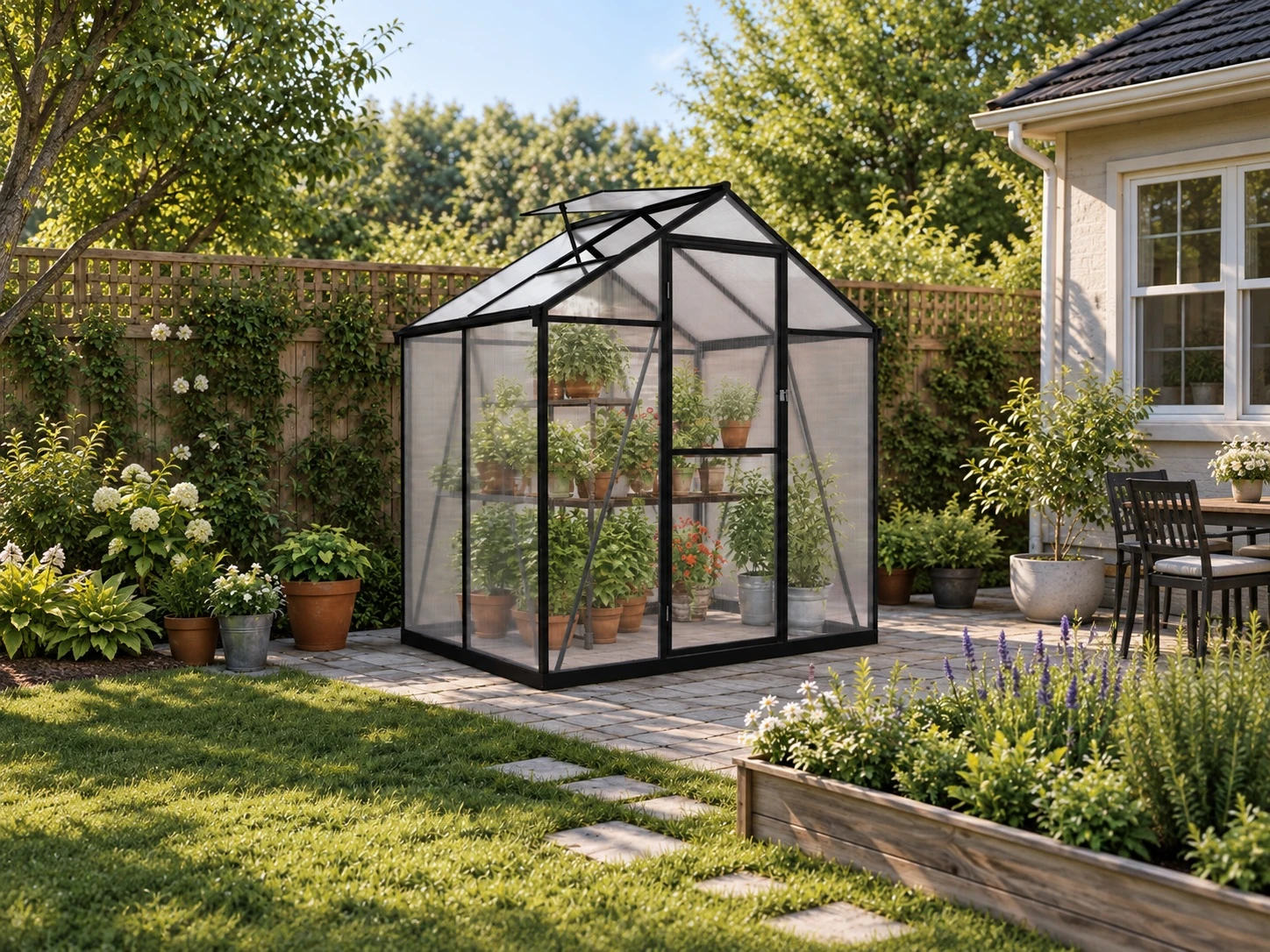
Evaluate polycarbonate as a complete panel system
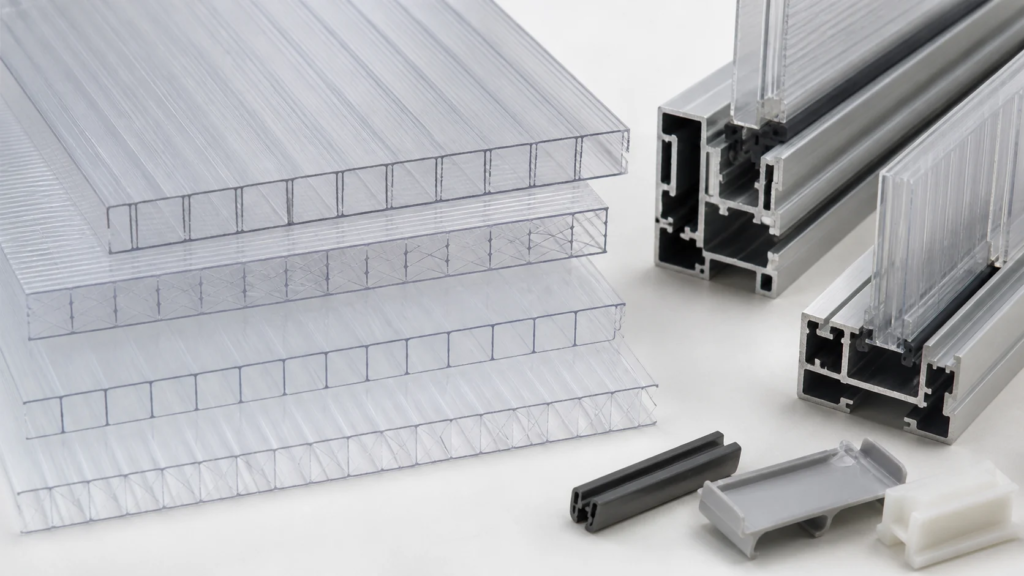
Nominal thickness alone does not describe panel construction, material distribution, surface protection, allowable span or connector engagement. Request the exact panel specification and confirm it with the frame drawing. LERYOU’s current records include polycarbonate product directions using 4 mm twin-wall panels, 1.8 mm solid polycarbonate and selected 6 mm or 8 mm configurations; availability belongs to the quoted greenhouse, not every model.
Используйте polycarbonate greenhouse product page for the current range direction, then confirm the selected product through drawings and specification documents.
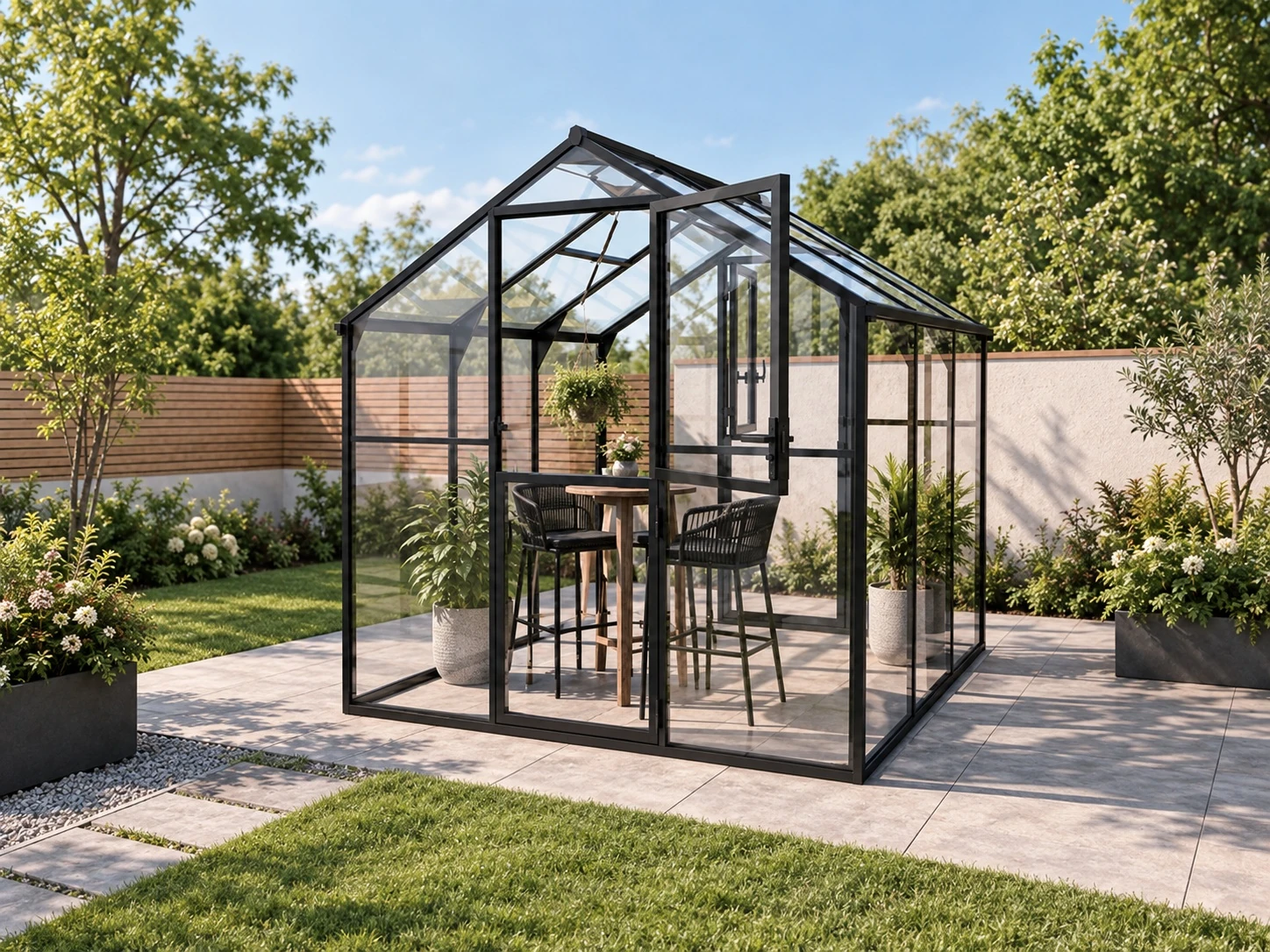
Evaluate glass through visual position and handling scope
Glass often creates a clear, traditional greenhouse appearance, but the buyer still needs the exact glass type, pane layout, retention method, door and vent integration, packaging protection and replacement identification. Do not transfer a performance statement from one glass or greenhouse to another.
Ознакомьтесь с LERYOU glass greenhouse direction and decide whether it fills a distinct premium or design-led role instead of duplicating a polycarbonate SKU.
Compare assembly and after-sales exposure
Retail success depends on the installation experience as much as the display image. Compare the number of glazing pieces, orientation labels, protective-film instructions, connector sequence, door and vent adjustment, hardware organization and replacement-part identification. Approve a finished sample together with the manual and actual package.
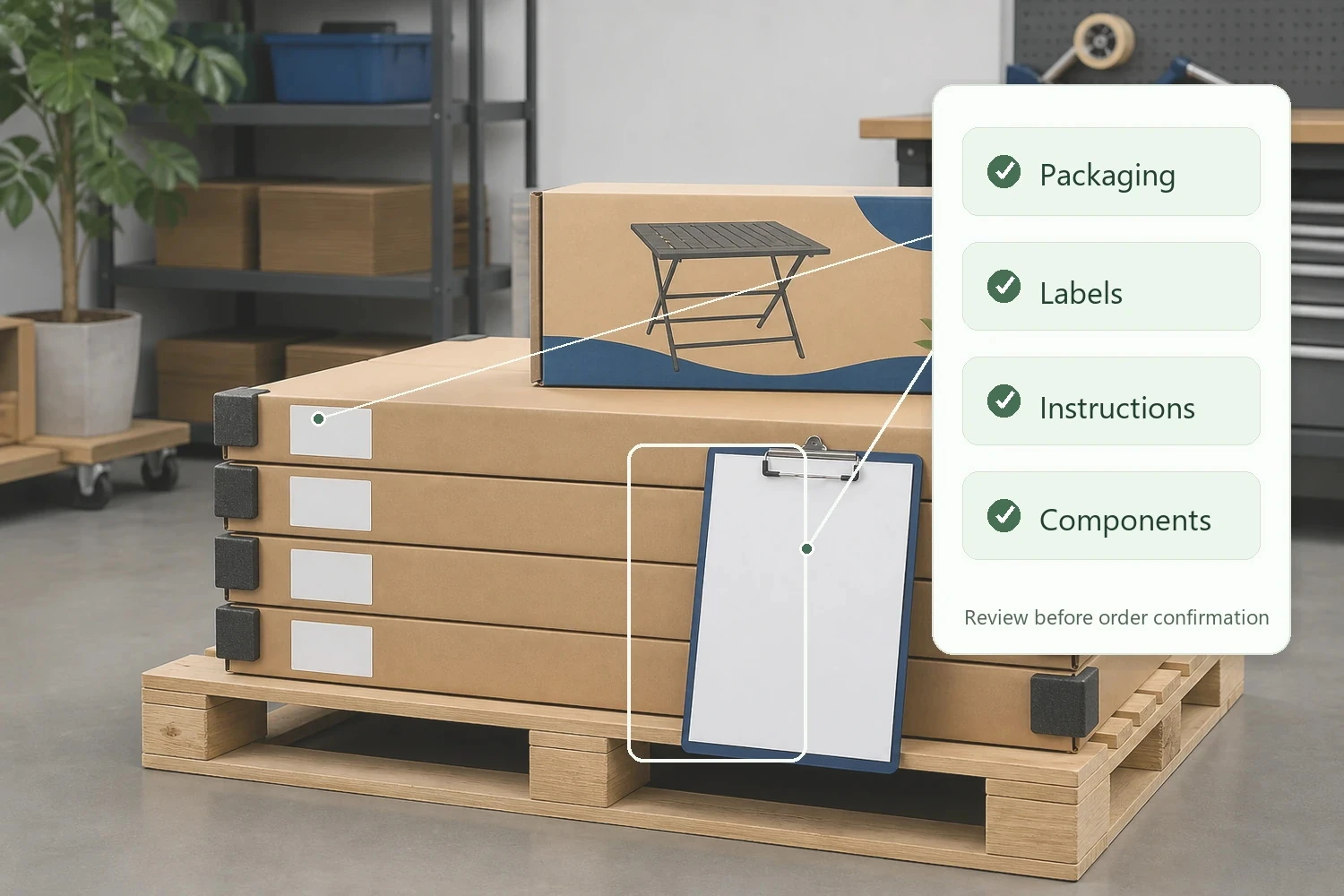
Build a like-for-like RFQ
- State the target market, channel and intended range position.
- Identify the greenhouse family, approximate footprint and access requirements.
- Request the exact glazing specification instead of a generic material label.
- Define doors, roof windows, gutters, base and accessory expectations.
- Request package count, carton data and protection method for the selected product.
- Identify required drawings, manuals, test information and market documentation.
- Separate standard items, optional items, exclusions and buyer-supplied work.
Buyers who are still structuring the full product brief can use the Контрольный список для импортеров при покупке теплиц и чек-лист выбора материалов для теплицы.
Часто задаваемые вопросы
No. E-commerce fit depends on the complete package dimensions, product size, panel protection, part identification, carrier route and assembly support for the selected model.
Glass often supports a premium visual direction, but final positioning also depends on frame design, finish, door and vent details, size, packaging and retail presentation.
Do not assume compatibility. Glazing dimensions, weight, retention, profiles and structural requirements may differ. Confirm the complete system with the supplier.
A mixed range can work when each greenhouse has a clear role, customer and price position. Avoid near-duplicate SKUs that add listing and support work without a meaningful customer difference.
Compare a greenhouse program with LERYOU
Обзор решения для теплиц и выращивания растений, examine greenhouse OEM/ODM support, или send LERYOU your target market, channel, product position and quotation requirements.
Content scope reviewed against LERYOU’s current product knowledge records in September 2026. Final specifications, packaging, evidence and supply scope must be confirmed for the selected product and destination market.

 English
 Deutsch
 Français
 Español
 Italiano
 Polski
 日本語
 한국어
 Nederlands
 Čeština
 Português do Brasil
 Русский
 ไทย
