Elevated Metal Planters with Legs and Storage Shelf

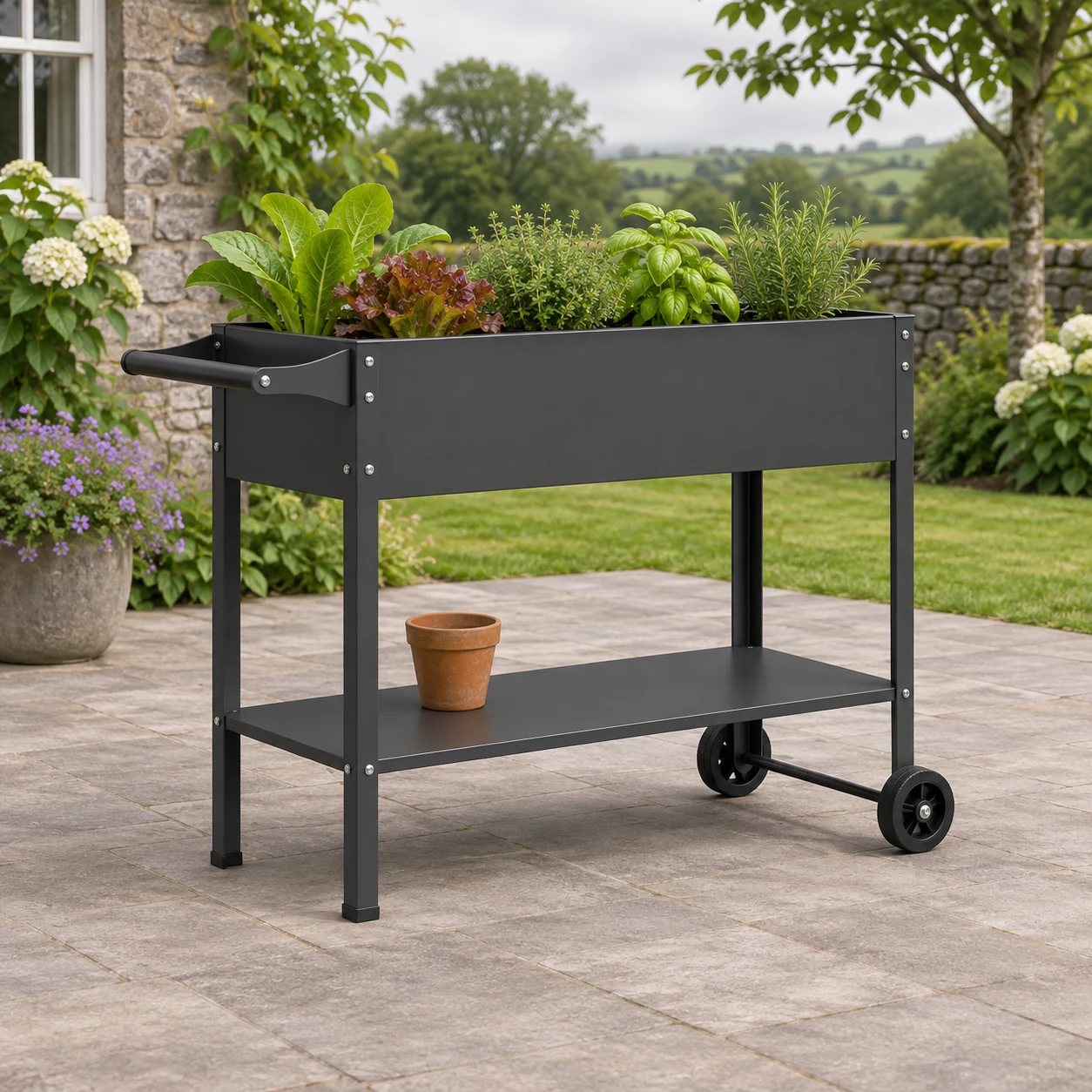
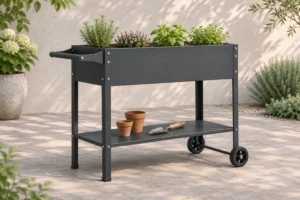
Bring a defined planting space above ground with LERYOU’s colour-coated steel elevated garden bed. The rectangular planting box stands on slim legs above a lower storage shelf, with a side handle and a two-wheel end.

Plan an outdoor planter range around usable planting space, the position of the box and everyday garden access. Compare the growing container, supporting structure and storage shelf as one complete item for retail and importer supply.

Discuss Your Elevated Planter Range

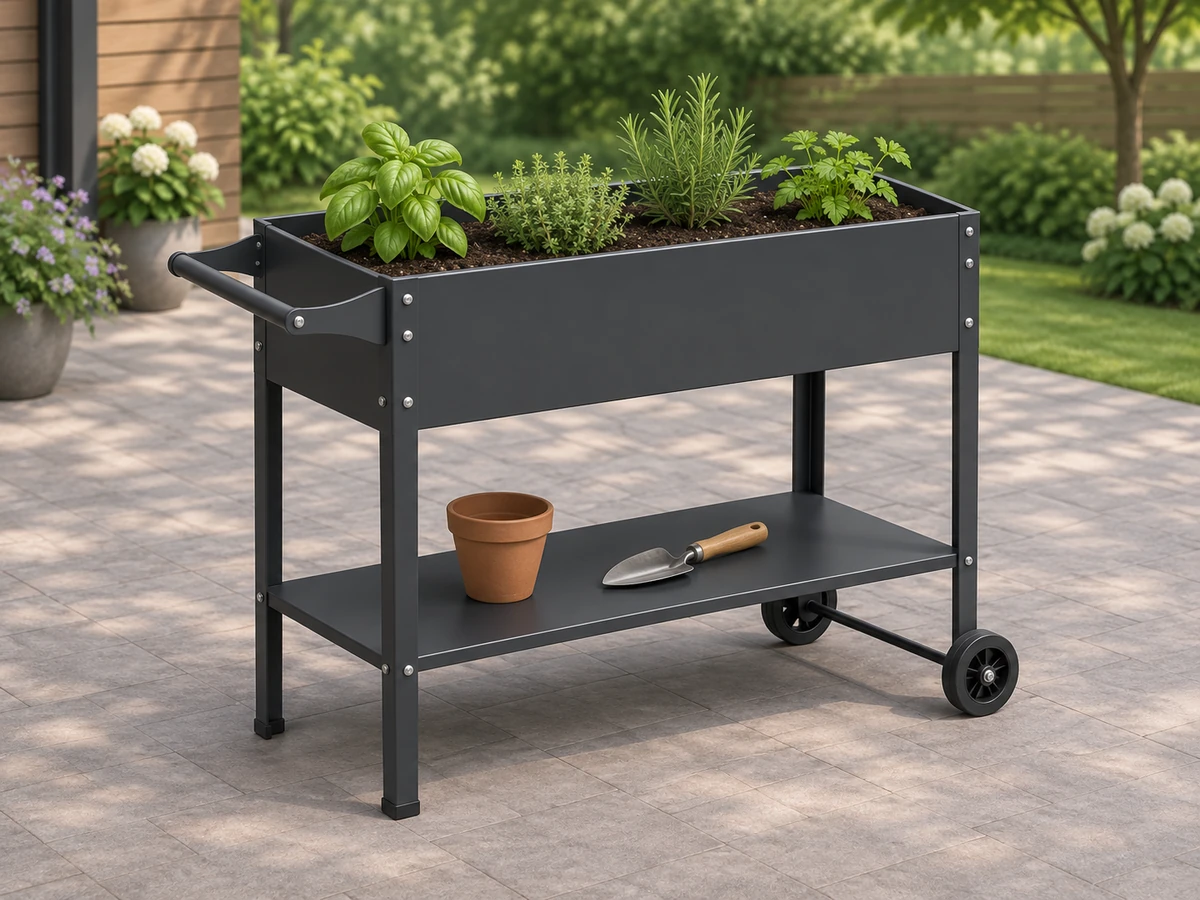
Charcoal elevated metal planter with rectangular planting trough, lower shelf, side handle and two wheels

Product Recommendations

Choose a planting container above the ground

Raised planter boxes on legs serve a different growing layout from open-bottom beds placed directly on garden soil. The elevated planting box contains the growing area within its own supporting structure, while the space beneath can hold a useful storage shelf.

A potting bench is another separate choice: its main purpose is to provide a work surface for handling pots and trays. Choose an elevated garden box when plants are intended to grow in the upper container, rather than on a flat tabletop.

Raised metal garden planter showing the planting box, four legs, lower storage shelf and wheeled end

Planting above, practical storage below

The LERYOU layout combines a smooth rectangular metal trough with a lower shelf for garden tools and accessories. The straight panels and dark finish give the planter a simple appearance for a terrace or garden working area.

Keep the shelf’s role separate from the planting box. It provides storage beneath the growing area; it does not add soil depth or planting volume. Allow enough clearance for the watering can, pots or hand tools the customer plans to keep there.

Four checks for an elevated outdoor planter

Working height and planting depth

Compare the height of the top edge with the intended user’s reach. Then compare usable internal depth and width with the plants being grown. Overall height includes the legs and does not describe root space or soil capacity.

Bottom, drainage and growing medium

Set out the bottom construction, drainage arrangement and any liner for the selected selling unit. Water needs a suitable route out of the container without washing growing medium onto the surface below. Include these details when comparing quotations.

Legs, shelf and handling

Review how the planting box, corner legs, shelf and fasteners fit together. The shown configuration has a handle at one end and two wheels at the other. Define the filled-weight limit and handling instructions for the ordered unit before planning movement.

Material, finish and placement

The planting bed uses colour-coated steel sheet. Choose a stable, level position with access around the container and room for the projecting handle. Match finish-care instructions and the drainage outlet position to the intended outdoor setting.

Define the complete selling unit

Build the quotation around the planting box, legs, lower shelf, handle, wheels, axle and assembly hardware. Identify the selected finish and the included bottom and drainage parts, together with any liner or accessories. Plants, soil, pots and hand tools should be listed separately from the planter.

For retail and e-commerce distribution, include the assembly format, carton count, packed dimensions and weight, panel protection and hardware identification. Clear instructions should show the assembled layout and the intended use of the handle, wheels and storage shelf.

Explore LERYOU nursery and growing products

Prepare a focused planter enquiry

Send the destination market, quantities, preferred finish and available outdoor footprint. Include the desired overall height, usable planting dimensions, access around the unit and the items intended for the lower shelf.

Add requirements for growing medium, liner and drainage, together with the handling information and load documentation needed for the chosen configuration. For a retail range, include labels, instruction language, packaging and delivery destination so each offer describes the same complete product.

Elevated Planter Buying Questions

How does an elevated planter differ from a ground-level raised bed?

An elevated planter supports the growing container above ground on legs. An open-bottom raised-bed frame sits directly on the ground. Compare the bottom construction and supporting structure when choosing between similarly named products.

How deep should an elevated garden box be?

Choose usable internal depth for the plants and growing medium you intend to use. Overall dimensions include the legs, edges and structure; they do not establish root space or soil capacity.

What should go in the bottom of an elevated planter?

Use the bottom, liner and drainage arrangement specified for the selected planter. Keep the water outlet clear and choose growing medium suited to the container and planting. A liner or loose drainage layer is not a substitute for a supporting base.

Does this layout include a storage shelf?

Yes. The lower shelf provides space for gardening tools and accessories beneath the planting box. Select the shelf clearance and permitted loading separately from the planting container.

Does the shown planter have wheels?

The shown configuration has two wheels at one end, a handle at the opposite end and two stationary feet. Include the wheel assembly and handling instructions in the ordered package; movement with a filled container depends on its specified handling limits.

Is colour-coated steel the same as a galvanized material specification?

Colour coating describes the finish. The steel substrate, protective layers and any growing-use documentation should be specified separately for the selected unit.

Are soil, plants and gardening accessories included?

List these separately in the quotation. The selling unit should clearly identify the planter components, liner or drainage parts and any included accessories.

What should a retail buyer include in a quotation request?

Provide the market, quantities, footprint, working height, planting dimensions, finish and shelf needs. Add bottom and drainage requirements, handling and load documentation, assembly instructions, labels and packaging details.

Contact Form