IMPORT PROGRAM SCOPE

Garden Shed Supplier for Importers

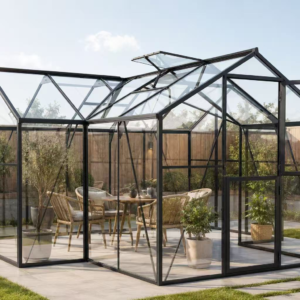
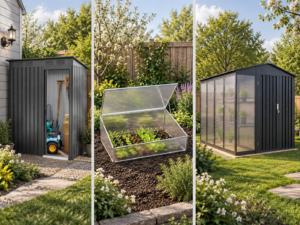
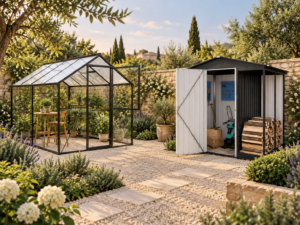
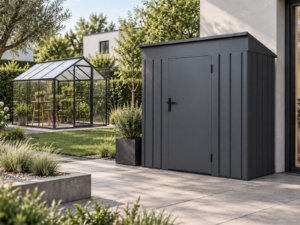
Importing metal garden sheds begins with a product definition, not a container estimate. Roof form, overall dimensions, door position, wall profile and selected accessories determine which components, images and instructions belong to the order. LERYOU’s catalogue includes classic corrugated-steel sheds, skylight-led formats, flat-wall storage sheds and multi-functional structures; these are distinct product directions rather than interchangeable names for the same kit.

A useful supplier discussion separates three records: the assembled product, the packed shipment and the destination-market requirements. Catalogue dimensions can establish the product basis, but carton count, carton dimensions, net and gross weight, pallet use and loading plans must come from the approved shipment specification for the selected configuration.

This page defines the evidence an importer can align before quotation. It does not state a universal MOQ, lead time, container quantity, certification or performance value for every garden shed.

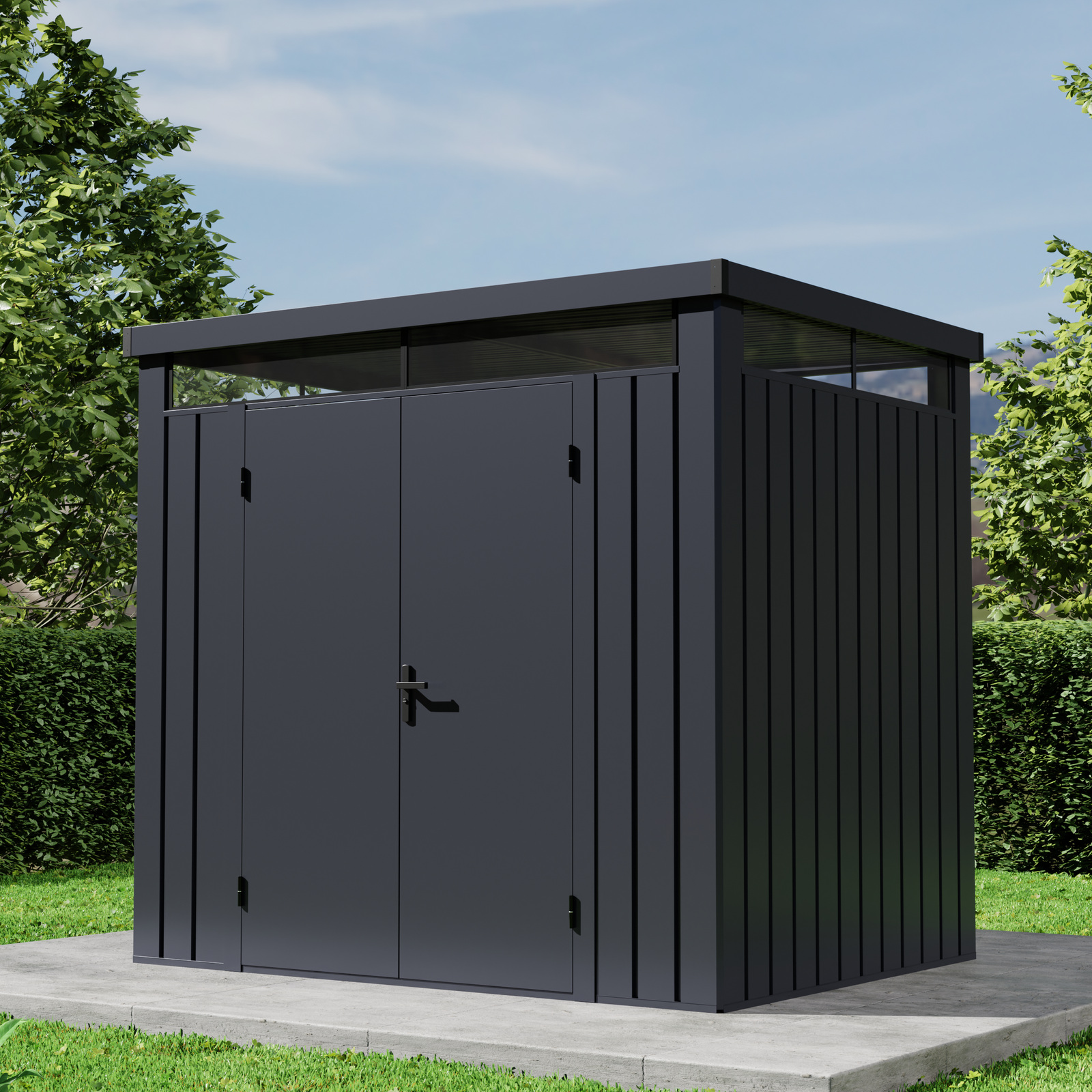
Black flat-roof metal garden shed with upper windows and double doors

Product Recommendations

Four records should agree before an import quotation is compared

Each record answers a different question. Keeping them separate prevents an assembled-product dimension or a lifestyle image from being mistaken for shipment evidence.

Product basis

Name the shed family, roof type, overall dimensions, door arrangement, wall profile and included options. A catalogue example measuring 121 × 181 × 195 cm has an apex roof; that fact applies to that product example, not to every classic shed.

Pack-out record

List the cartons and components for the approved configuration, then record each carton’s external dimensions and weight. Do not calculate shipment volume from the assembled shed footprint.

Destination inputs

State the importing country, sales channel, labelling requirements, required languages and any buyer-defined packaging rules. The destination determines which questions the supplier must answer.

Revision control

Connect the quotation, specification, images, instructions and packing list to the same revision. If a door, finish, accessory or package changes, the affected records should be reviewed again.

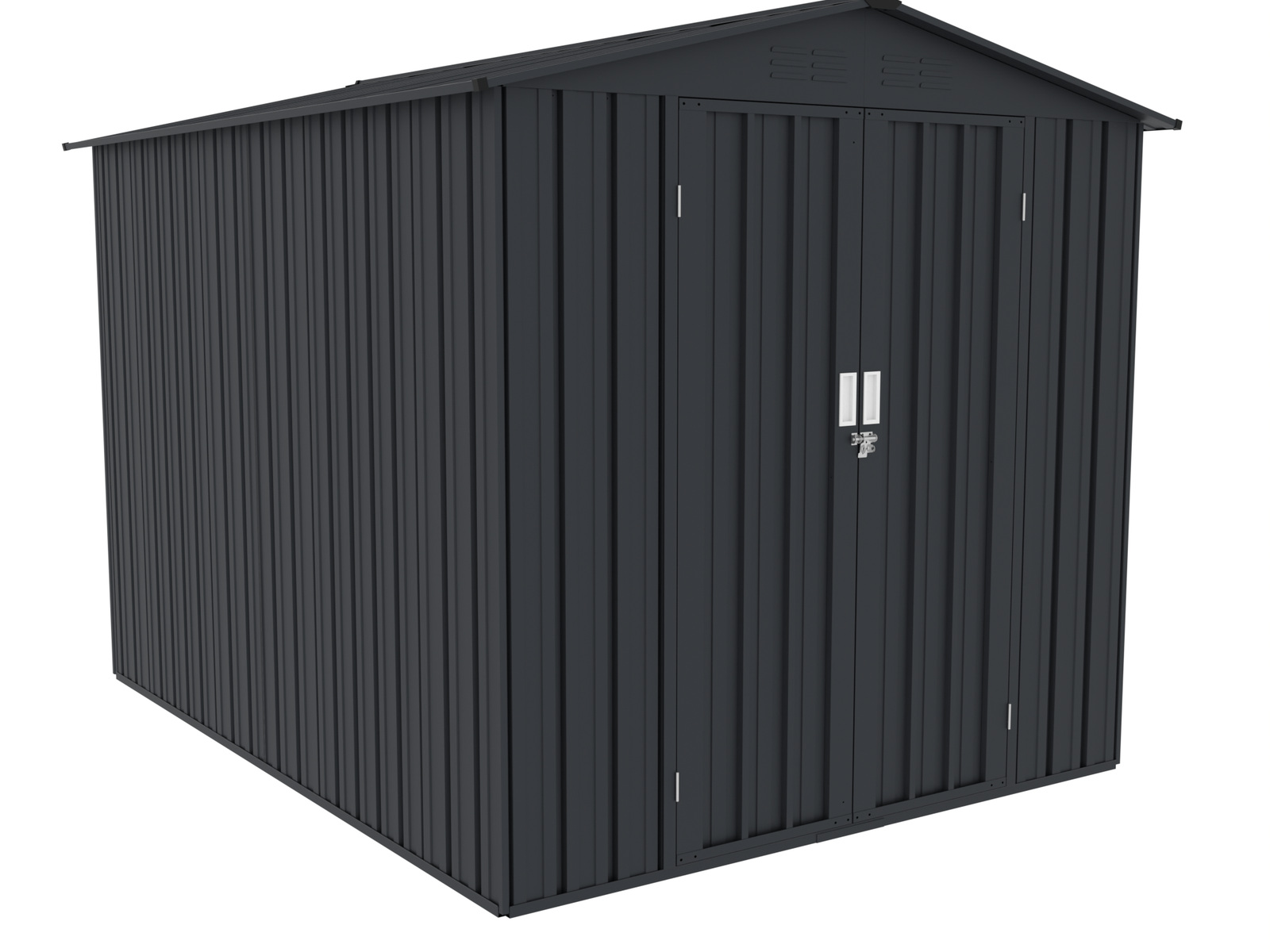
Black classic corrugated-steel garden shed with apex roof and double doors

Lock the assembled product before planning the shipment

A classic corrugated-steel garden shed can appear in several footprints, roof forms and access arrangements. The catalogue includes an apex-roof example at 121 × 181 × 195 cm and a larger apex-roof example at 181 × 246 × 195 cm; the latter is also shown with a double-door direction. These examples demonstrate why the selected structure must be fixed before parts and packing can be reviewed.

  • Use one approved dimensional drawing as the product reference.
  • Record whether access is single, double, hinged, sliding, front or side for the selected item.
  • Treat floors, lighting, shelves, hooks, racks and locks as options unless the approved specification includes them.

Import responsibilities should be mapped before the purchase order

The following six checkpoints are a responsibility map, not a claim that one document alone establishes compliance or shipment readiness.

01 / Product identification

Connect the buyer-facing name to one structure, one dimensional reference and one approved image set. Similar-looking sheds should not share specifications unless the underlying product is genuinely the same.

02 / Configuration record

Capture roof, doors, wall profile, base or floor direction and selected storage accessories. Mark optional features as optional until they are included in the confirmed order.

03 / Parts and instructions

Use a component list and assembly document tied to the selected revision. A missing or superseded instruction page cannot be corrected by a generic catalogue description.

04 / Packing evidence

Confirm carton count, external carton dimensions, weights and any pallet or dunnage material from the actual pack-out record. Do not infer them from product size.

05 / Destination review

The importer should identify the destination country and sales route, then determine applicable product, labelling, language and packaging requirements with qualified advisers where needed.

06 / Change ownership

Define who updates drawings, instructions, artwork and shipment records after a specification change. Keep open items visibly open rather than silently filling gaps with assumptions.

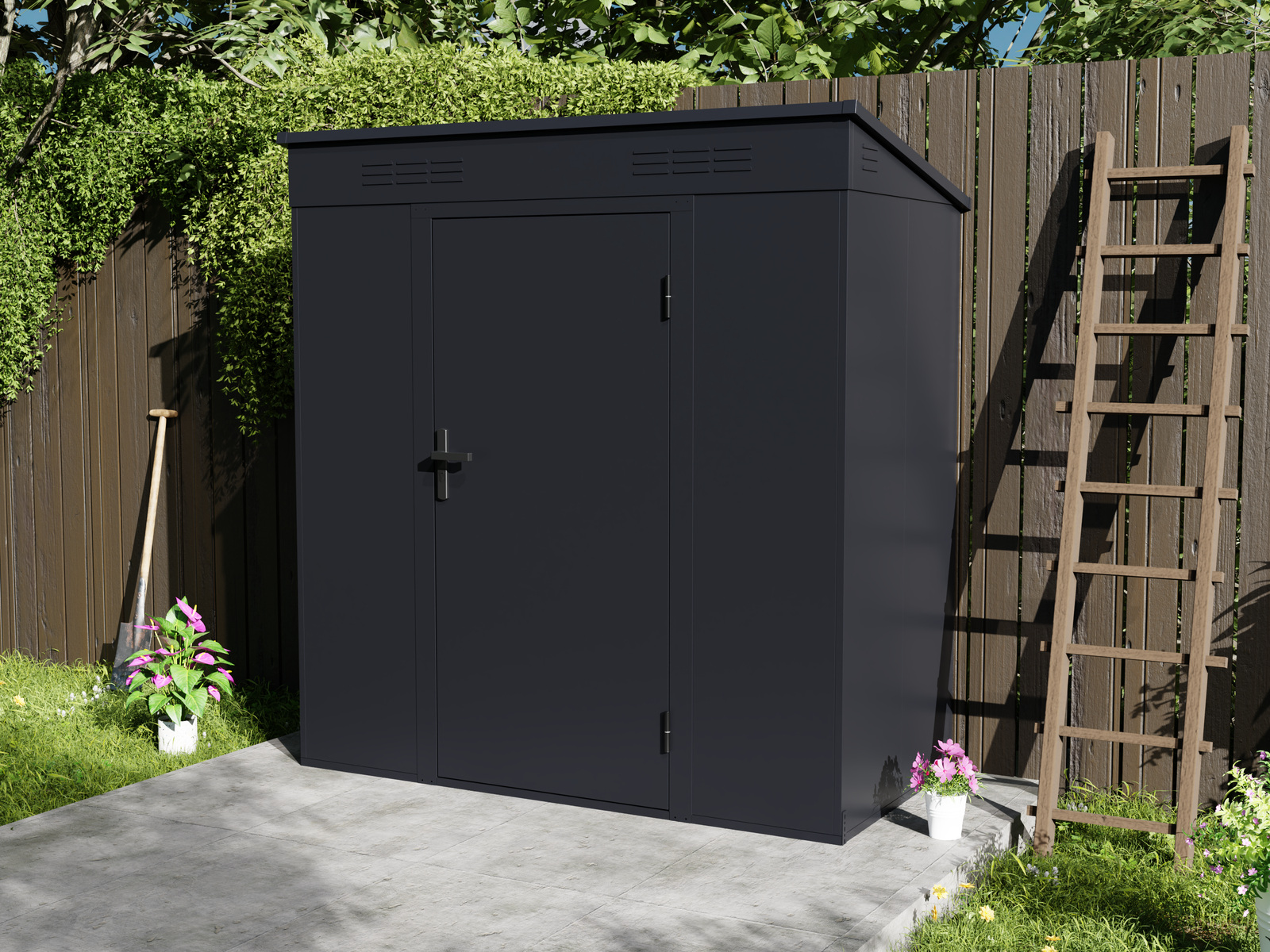
Black flat-roof metal garden shed with flat wall surfaces

A flat-roof flat-wall shed needs its own import record

The mapped image shows a black flat-roof shed with flat wall surfaces, a visibly different architecture from the corrugated apex-roof shed above. An importer should keep its drawing, component record, images and packing information under its own product identity. The finished-product image confirms the visible configuration only; it does not prove carton count, packed dimensions or shipment weight.

  • Record the flat roof, flat wall surfaces and selected door arrangement in the product reference.
  • Keep assembled dimensions, carton dimensions and pallet dimensions in separate fields.
  • If raw-wood pallets or dunnage are used, assess ISPM 15 and the destination authority’s current requirements for that shipment.

Do not merge product, shipment and market evidence

A clear import file identifies what the source proves and what still needs project confirmation.

Catalogue facts

Product family, published example dimensions and explicitly listed roof, door, wall or option directions.

Shipment facts

Actual carton and pallet records, weights, component references and packing revision for the selected order.

Buyer inputs

Destination, sales channel, quantity range, required languages, brand role and packaging expectations.

Open confirmations

Final specification, commercial terms, destination compliance, inspection scope and delivery responsibilities.

Garden Shed Supplier for Importers: FAQ

What should an importer send before requesting a garden shed quotation?

Identify the product family, size direction, roof and door arrangement, destination country, sales channel, approximate order range, branding needs and required packaging or document outputs. Final specifications and commercial terms still require project confirmation.

Can assembled shed dimensions be used to calculate container loading?

No. Assembled dimensions describe the finished product. Loading work requires the actual carton count, external carton dimensions, weights, pallet arrangement and any shipment constraints for the approved configuration.

Are floors, shelves and locks included with every classic metal shed?

No. The catalogue presents floor, lighting, storage-organisation and lock directions as options within the classic range. The selected product specification must state which items are included.

Does ISPM 15 apply to every garden shed shipment?

No. ISPM 15 concerns raw-wood packaging material such as relevant pallets and dunnage. Its application depends on the actual packaging materials and destination requirements; it is not a certification of the garden shed itself.

What should happen when a door or finish changes after quotation?

Treat the change as a controlled product revision. Review the drawing, parts record, instructions, images, artwork and packing information affected by the change before the order is released.

Contact Form