Listing record
Connect title, product identifier, dimensions, materials, access and images to one sellable configuration.
DIGITAL PRODUCT READINESS
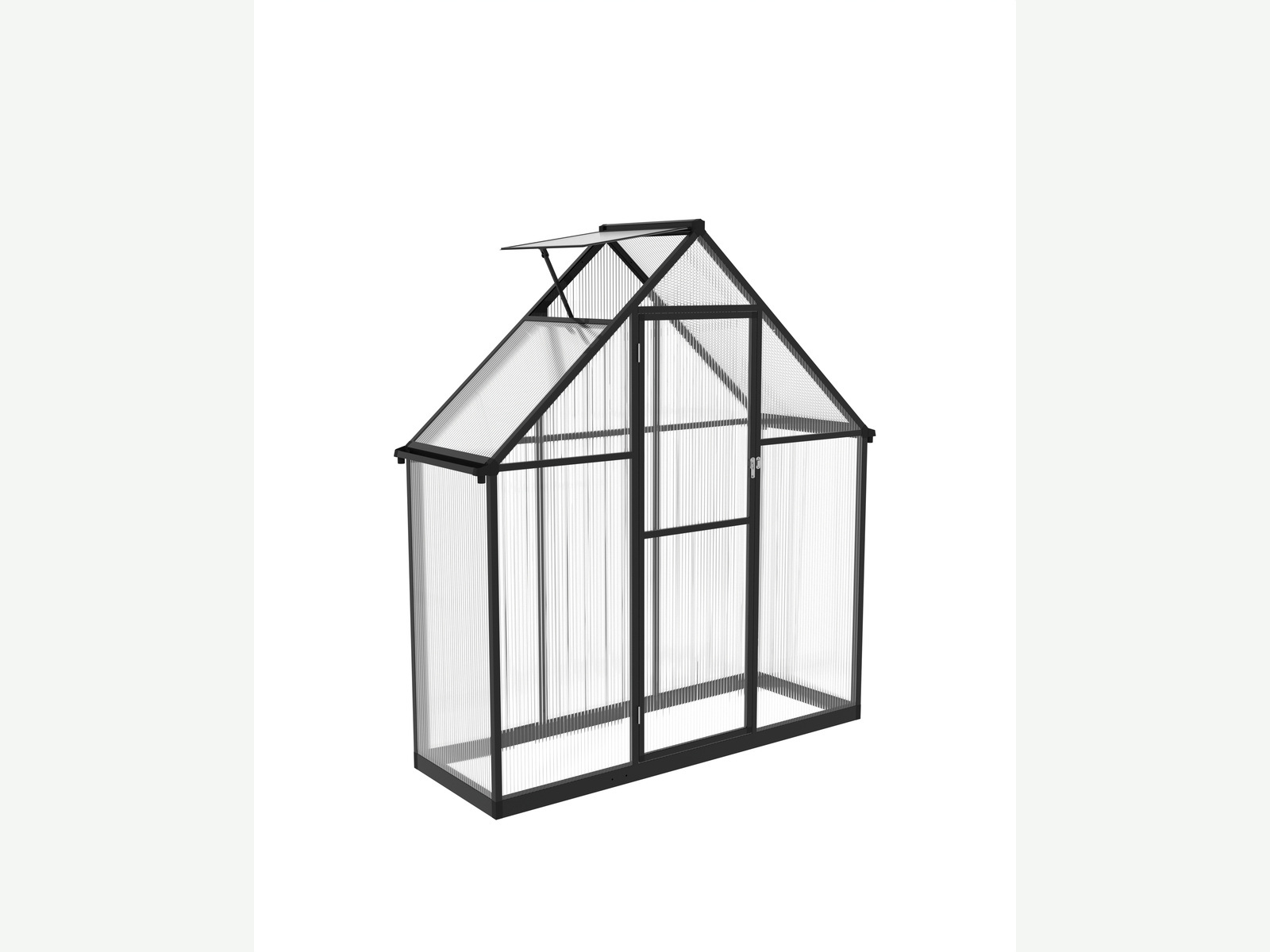
An e-commerce greenhouse listing connects a large physical kit to a compact digital product record. The title, images and dimensions must identify the selected structure, while carton data, assembly information and included components support fulfilment and after-sales questions. A visually similar greenhouse is not a substitute for the correct record.
LERYOU’s garden greenhouse categories include polycarbonate, glass, lean-to, dwarf-wall and compact formats. Online sellers should choose the product direction first, then align listing data and destination information around the approved configuration. This page focuses on information readiness; platform fees, consumer prices, delivery promises and market compliance require separate confirmation.
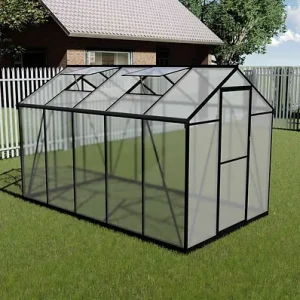
Un invernadero de aluminio negro y policarbonato, con acceso mediante una puerta abatible, crea un espacio de cultivo protegido y adaptable para jardines y cultivos de temporada.

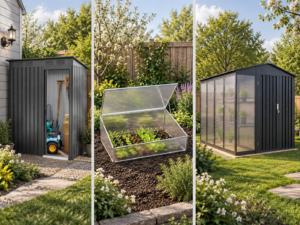
Entre los productos para viveros y cultivo se incluyen semilleros, bancales elevados y soluciones de invernadero compactas para la siembra, la protección de las plantas y el cultivo estacional.

Un invernadero de policarbonato con muro bajo combina una base metálica de acero pintado, un marco de aluminio más grueso, acristalamiento protegido, ventilación en el techo y un práctico sistema de gestión del agua de lluvia.

Las casetas de jardín metálicas con claraboya de Skylight combinan un almacenamiento seguro con paneles de luz natural y ampliaciones acristaladas opcionales, ideales para proyectos contemporáneos de vida al aire libre.

Los invernaderos de policarbonato combinan una estructura de aluminio, un acristalamiento resistente y un sistema de ventilación práctico, en tamaños adaptables para el cultivo doméstico, comercial y de proyectos.
Treat the customer page, fulfilment data and technical documents as linked outputs of one approved product definition.
Connect title, product identifier, dimensions, materials, access and images to one sellable configuration.
Store carton count, carton dimensions, weights and handling notes separately from assembled dimensions.
Match instructions and component identification to the revision shown online.
Add responsible business, language, warnings and destination information required for the actual sales market.
These checks reduce the risk of a listing showing one configuration while the warehouse or customer receives another.
Use a name and identifier that resolve to one sellable product revision.
Confirm the hero and gallery show the specified frame, covering, access and included elements.
Separate assembled dimensions, package dimensions and usable-space descriptions.
List supplied kit components and identify optional or site-built elements.
Attach the correct manual and keep revision changes traceable.
Confirm responsible-party, warning, language and contact fields for the destination.
Product data is not finished when the page first goes live. Use a change map so every affected channel receives the same correction.
Review images, specifications, instructions and packaging.
Review labels, online images and product identity fields.
Review carton data, delivery rules and warehouse records.
Review language, responsible-party and applicable safety information.
 English English
 Deutsch
 Français
 Español
 Italiano
 Polski
 日本語
日本語 한국어
한국어 Nederlands
 Čeština
 Português do Brasil
 Русский