Listing record
Connect title, product identifier, dimensions, materials, access and images to one sellable configuration.
DIGITAL PRODUCT READINESS
An e-commerce greenhouse listing connects a large physical kit to a compact digital product record. The title, images and dimensions must identify the selected structure, while carton data, assembly information and included components support fulfilment and after-sales questions. A visually similar greenhouse is not a substitute for the correct record.
LERYOU’s garden greenhouse categories include polycarbonate, glass, lean-to, dwarf-wall and compact formats. Online sellers should choose the product direction first, then align listing data and destination information around the approved configuration. This page focuses on information readiness; platform fees, consumer prices, delivery promises and market compliance require separate confirmation.
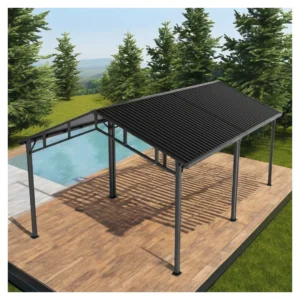
A powder-coated metal-frame canopy for open-sided outdoor shelter. The pitched roof and post-supported structure can be configured for a parking or garden shelter project after checking the required vehicle envelope and installation space.
Catalogue size options and custom configurations available. MOQ from 100 units; sample orders can be discussed.
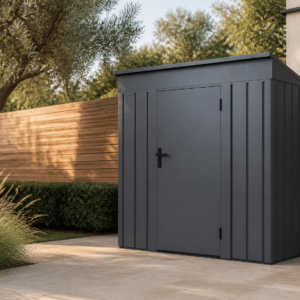
Modern flat-wall metal garden sheds offer clean architectural styling and practical storage for tools, patio items and compact outdoor spaces.
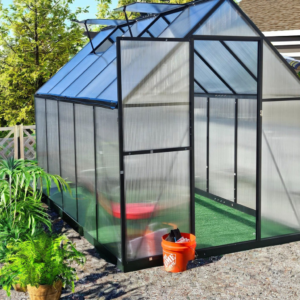
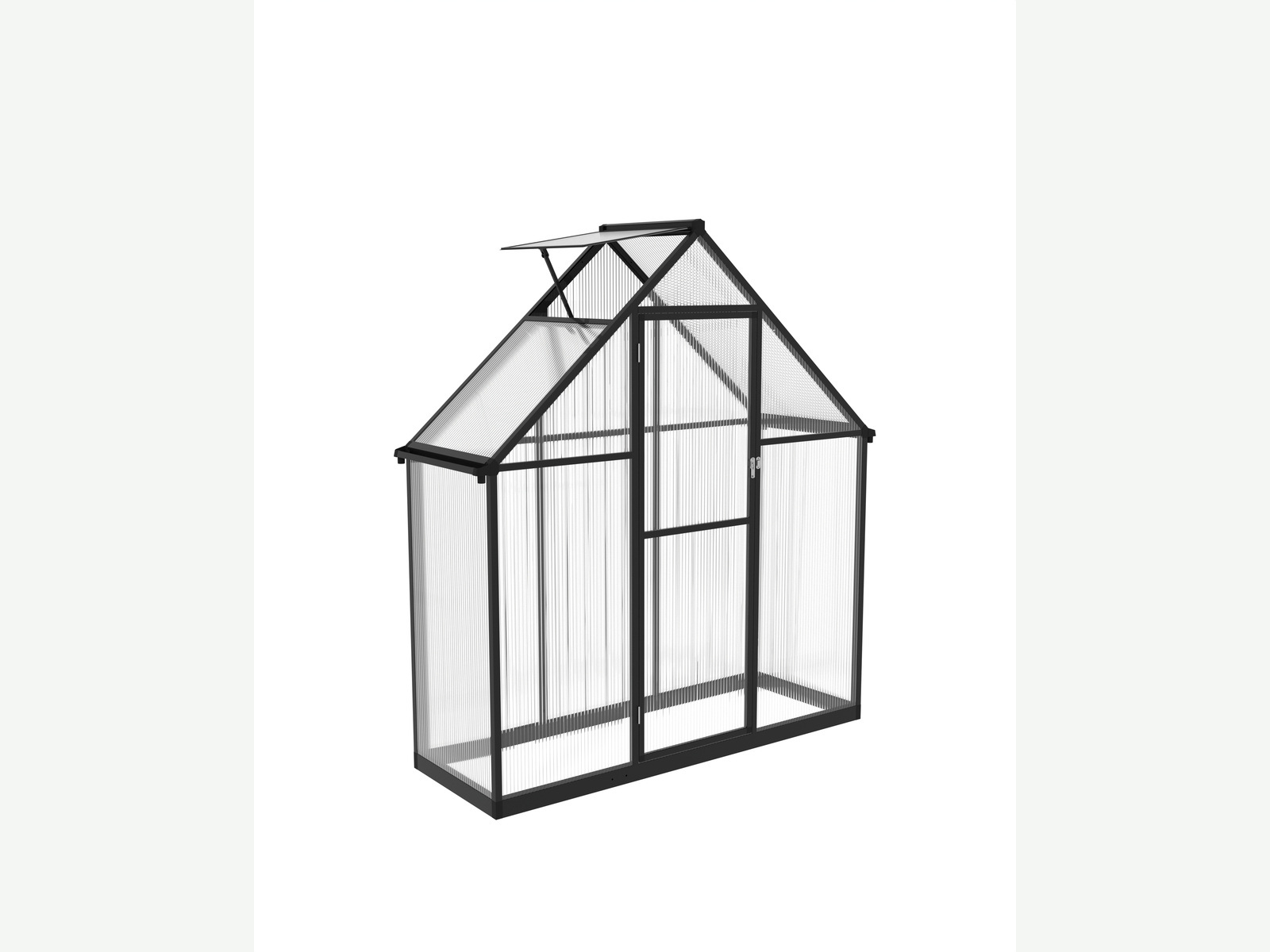
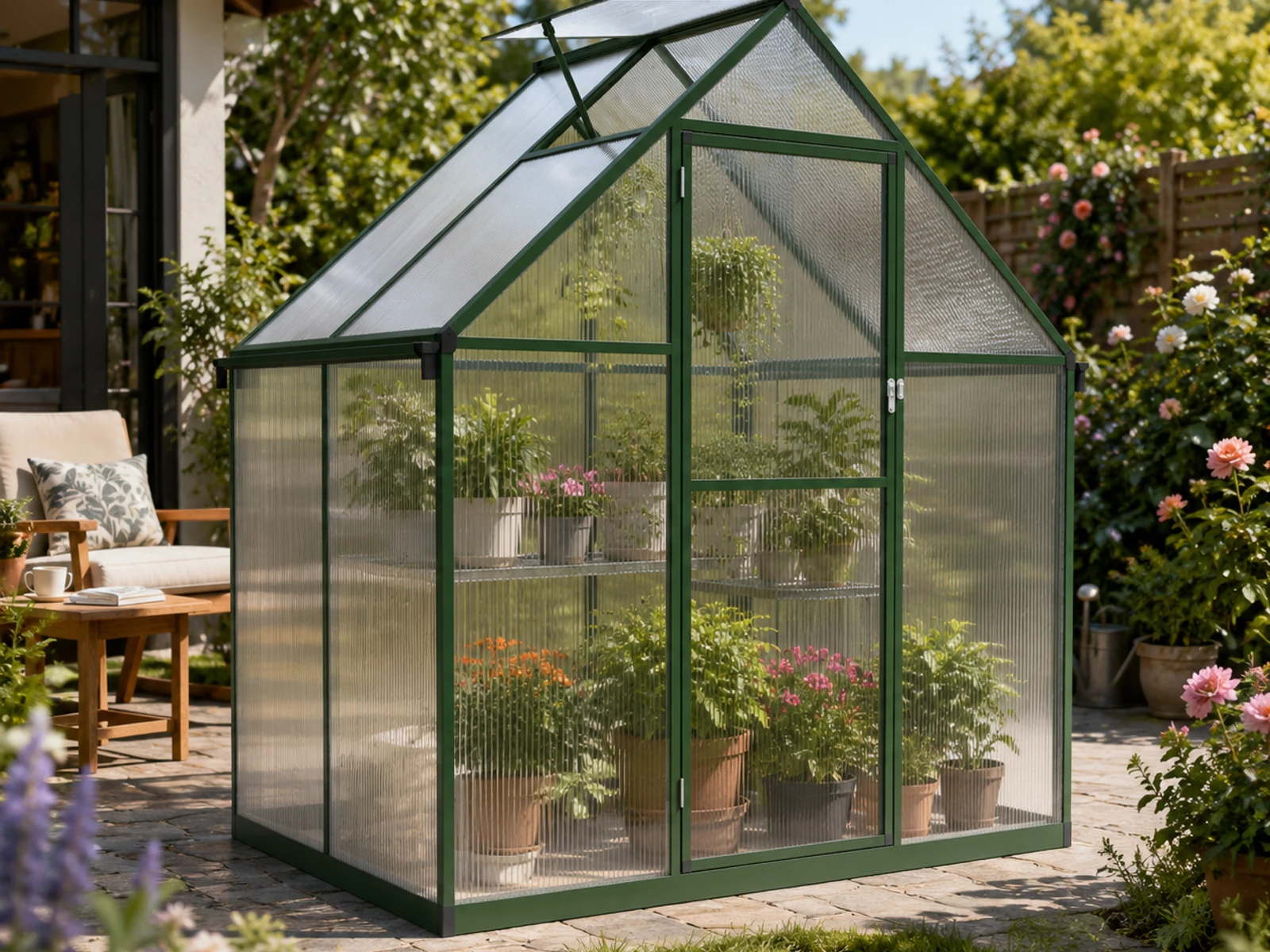
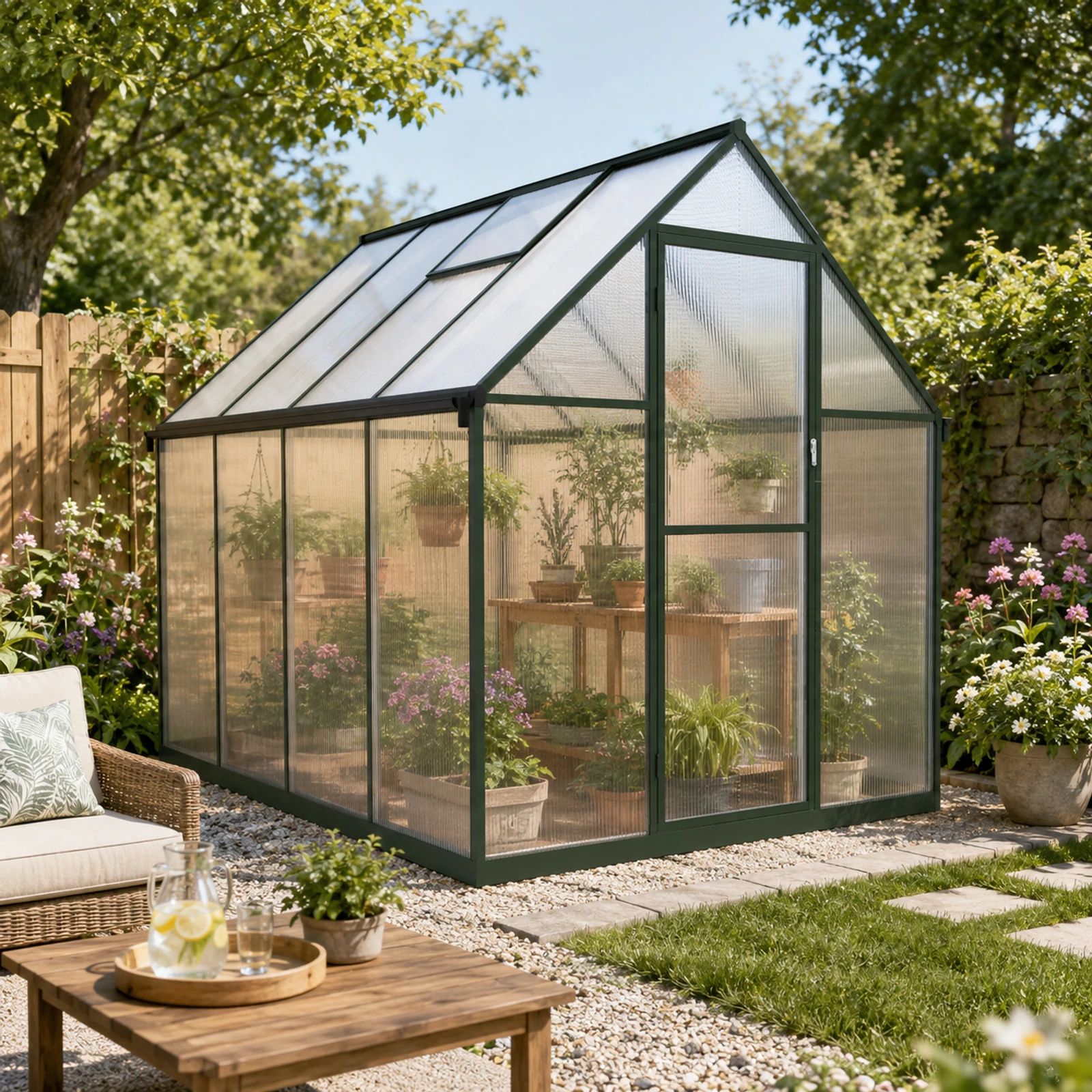
This quick-setup polycarbonate greenhouse provides a practical protected growing space for gardens and outdoor applications. Featuring polycarbonate wall and roof construction, it combines a lightweight panel-based enclosure with an installation-friendly greenhouse concept. OEM & ODM customization is available for B2B projects.
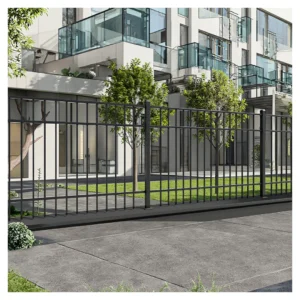
Coated metal picket fence panels for defining garden boundaries and coordinating outdoor entrances. The vertical picket appearance suits open garden frontages where a solid privacy wall is not required.
Catalogue size options and custom configurations available. MOQ from 100 units; sample orders can be discussed.
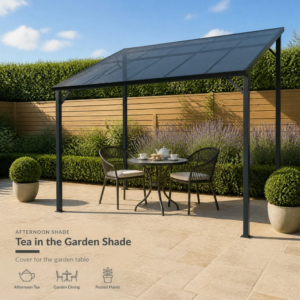
An aluminium-frame patio canopy and veranda cover for wall-adjacent outdoor shelter projects. Width, projection, height, roof-panel direction, powder-coated finish, drainage, anchoring and packaging are confirmed for the selected project.
Treat the customer page, fulfilment data and technical documents as linked outputs of one approved product definition.
Connect title, product identifier, dimensions, materials, access and images to one sellable configuration.
Store carton count, carton dimensions, weights and handling notes separately from assembled dimensions.
Match instructions and component identification to the revision shown online.
Add responsible business, language, warnings and destination information required for the actual sales market.
These checks reduce the risk of a listing showing one configuration while the warehouse or customer receives another.
Use a name and identifier that resolve to one sellable product revision.
Confirm the hero and gallery show the specified frame, covering, access and included elements.
Separate assembled dimensions, package dimensions and usable-space descriptions.
List supplied kit components and identify optional or site-built elements.
Attach the correct manual and keep revision changes traceable.
Confirm responsible-party, warning, language and contact fields for the destination.
Product data is not finished when the page first goes live. Use a change map so every affected channel receives the same correction.
Review images, specifications, instructions and packaging.
Review labels, online images and product identity fields.
Review carton data, delivery rules and warehouse records.
Review language, responsible-party and applicable safety information.
 English English
 Deutsch
 Français
 Español
 Italiano
 Polski
 日本語
 한국어
 Nederlands
 Čeština
 Português do Brasil
 Русский
 ไทย