Produkcja OEM / ODM artykułów ogrodowych i outdoorowych
Jeden partner produkcyjny.
Cztery systemy produktów outdoorowych.
LERYOU pomaga globalnym nabywcom planować, rozwijać i pozyskiwać asortyment szklarni, domków ogrodowych, magazynów ogrodowych oraz artykułów outdoor living z jednej platformy produkcyjnej.
Cztery komercyjne punkty wyjścia
Wybierz ścieżkę producenta dopasowaną do Twojego asortymentu.
Zacznij od rodziny produktów. Następnie dopasuj rynek, specyfikację, opakowanie i ilość przed wyceną. Każda ścieżka prowadzi do istniejącej strony produktu lub rozwiązania LERYOU.
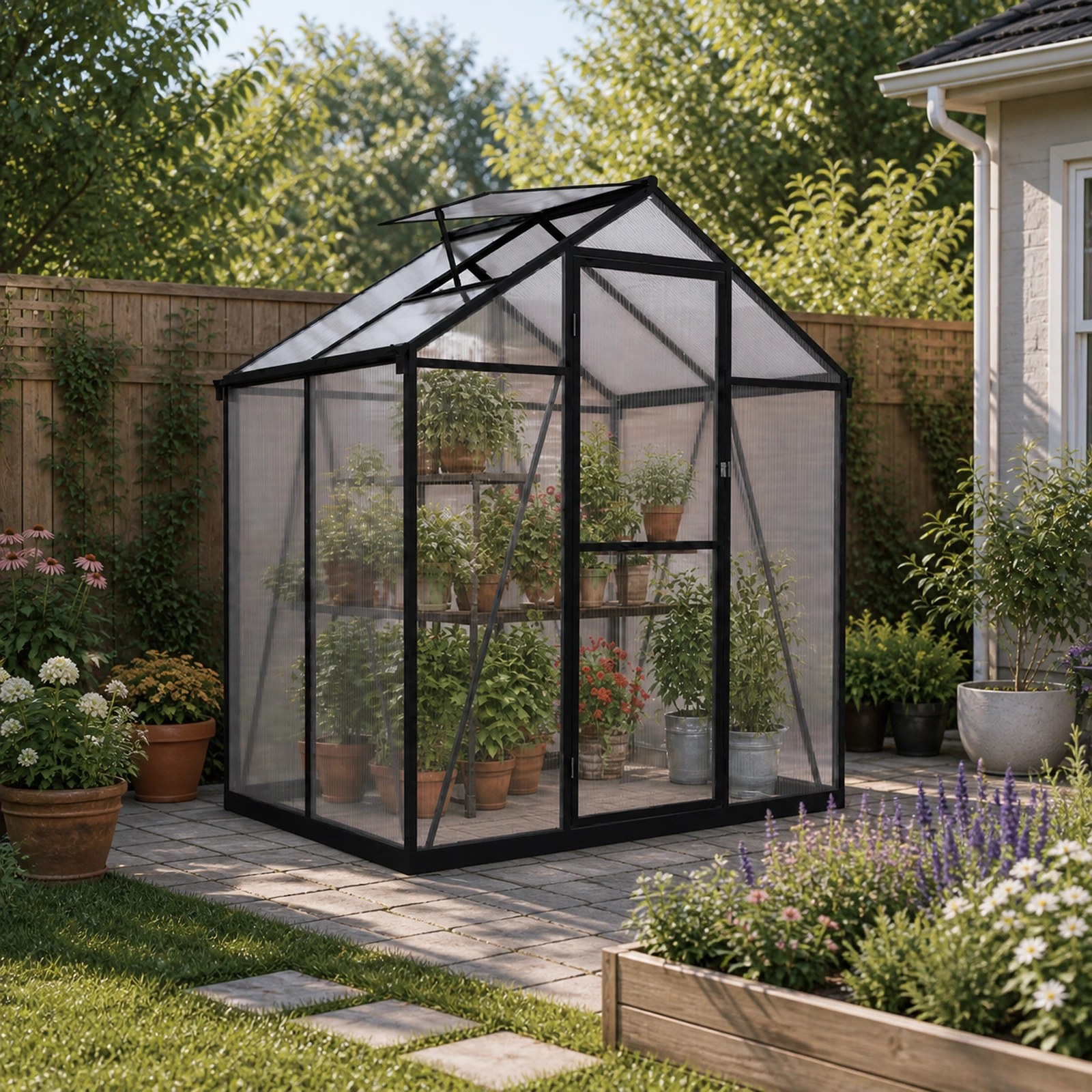
Producent szklarni
Programy szklarni z poliwęglanu i szkła opracowane z myślą o asortymencie detalicznym, dystrybucyjnym i private label.
Poznaj produkcję szklarni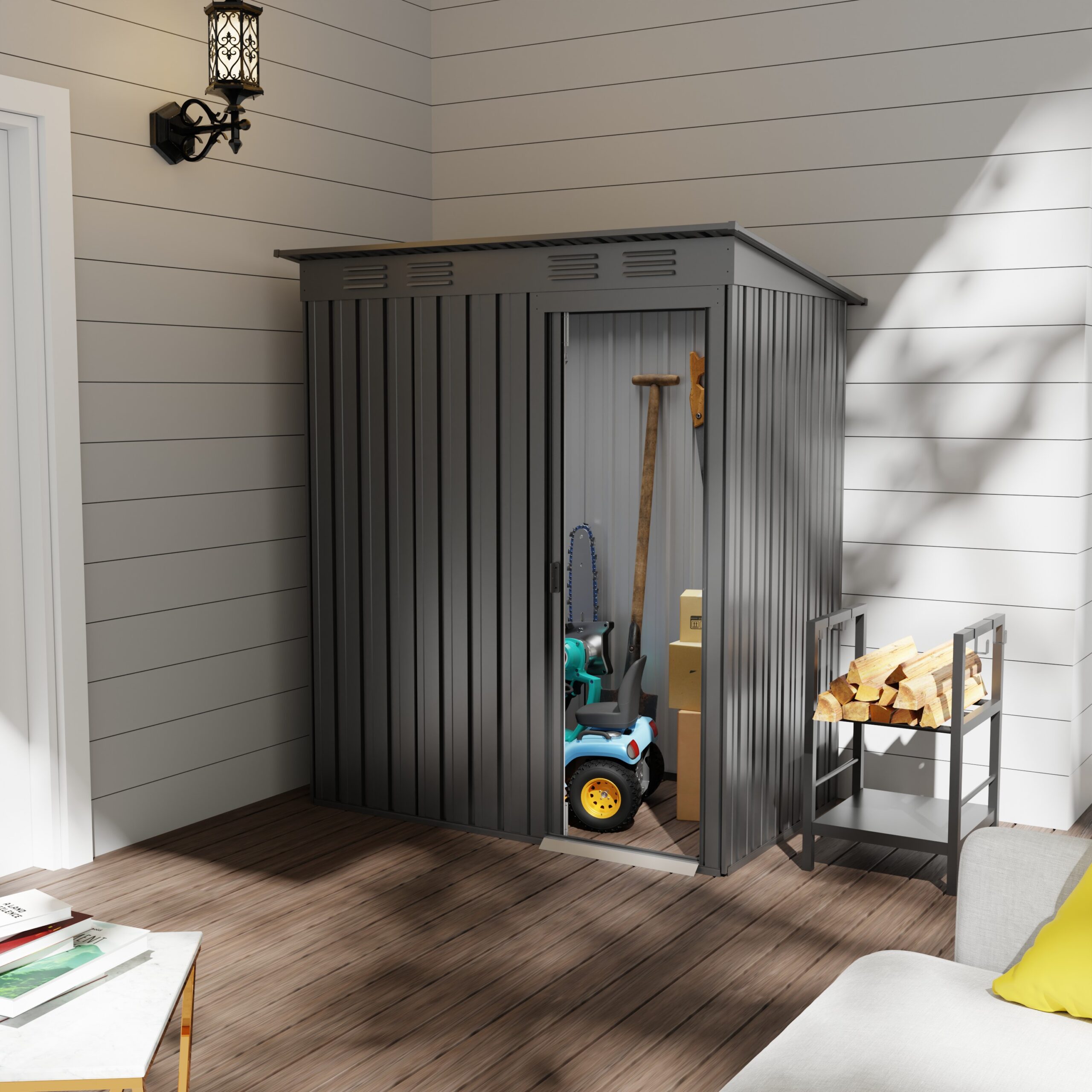
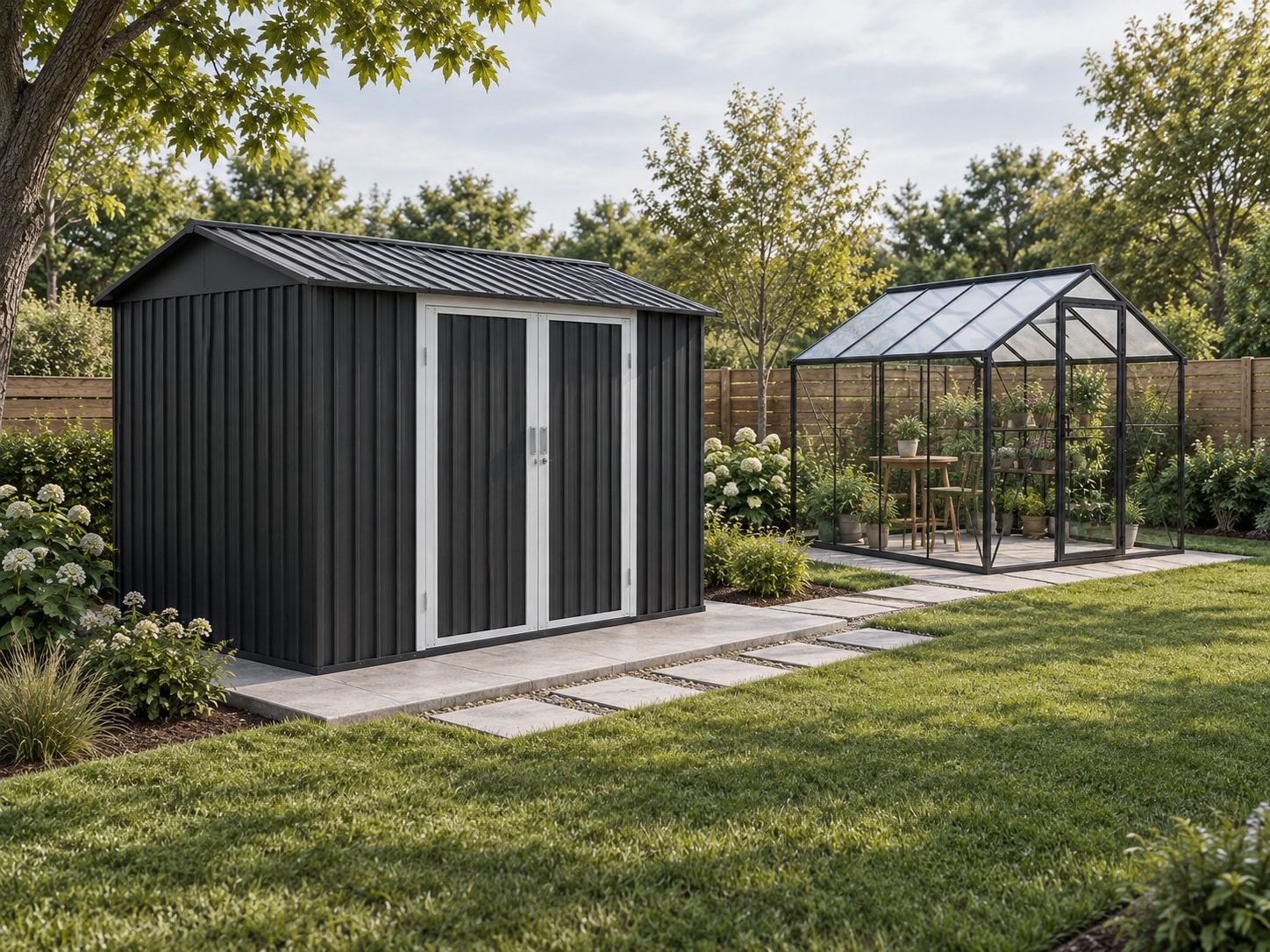
Producent altanek ogrodowych
Metalowe domki ogrodowe w opakowaniach płaskich planowane pod kątem formatu, efektywności pakowania i wymagań kanałów sprzedaży.
Poznaj produkcję domków ogrodowych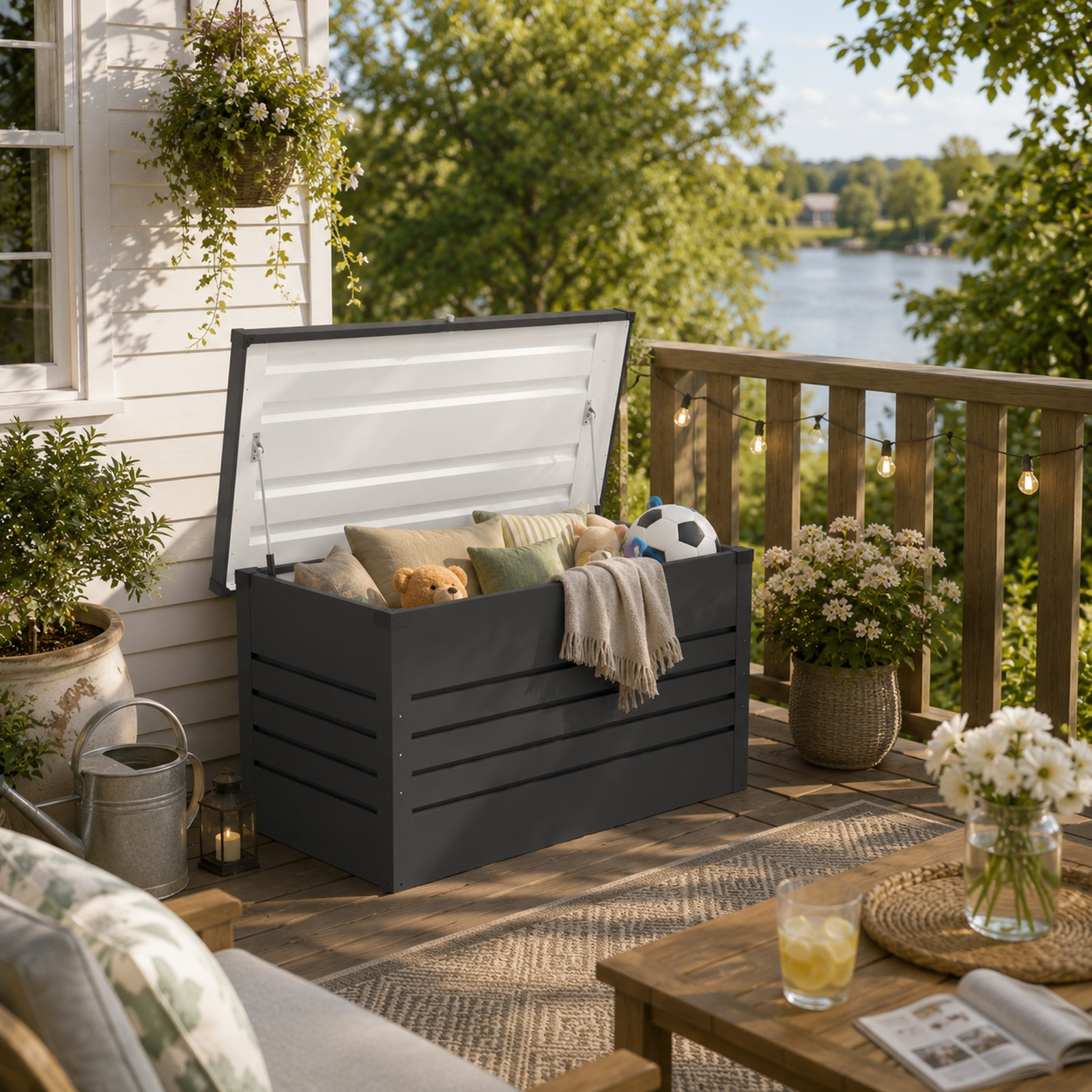
Producent schowków ogrodowych
Skoordynowany asortyment obejmujący przechowywanie rowerów, koszy na śmieci, szafek, skrzyń i drewna opałowego.
Poznaj rozwiązania magazynów ogrodowych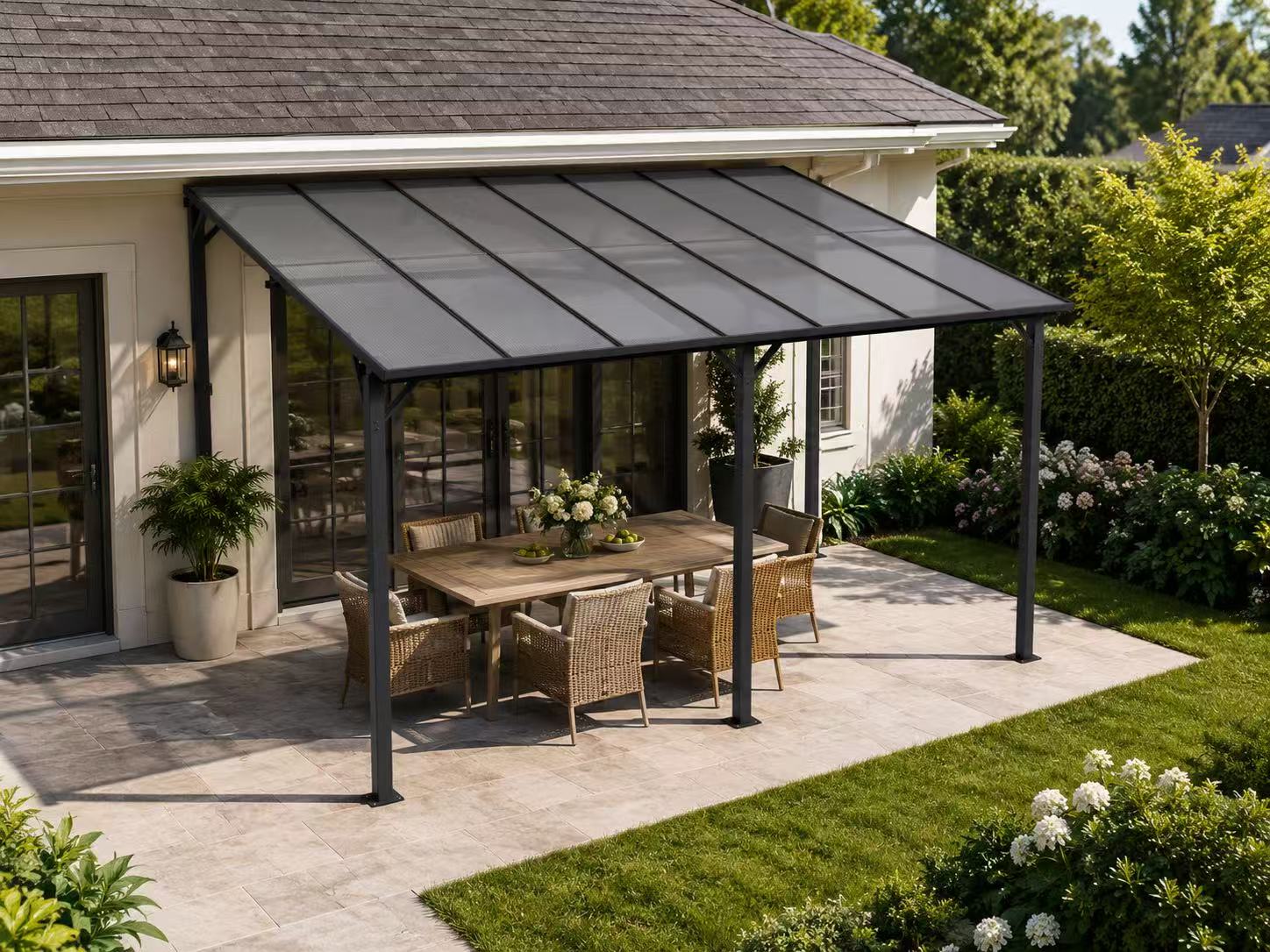
Producent konstrukcji outdoor living
Wsparcie OEM i ODM dla pergoli, altan, zadaszeń tarasowych i pokrewnych konstrukcji outdoor living.
Poznaj rozwiązania outdoor livingRozwój OEM / ODM
Twoja znajomość rynku.
Nasza dyscyplina produkcyjna.
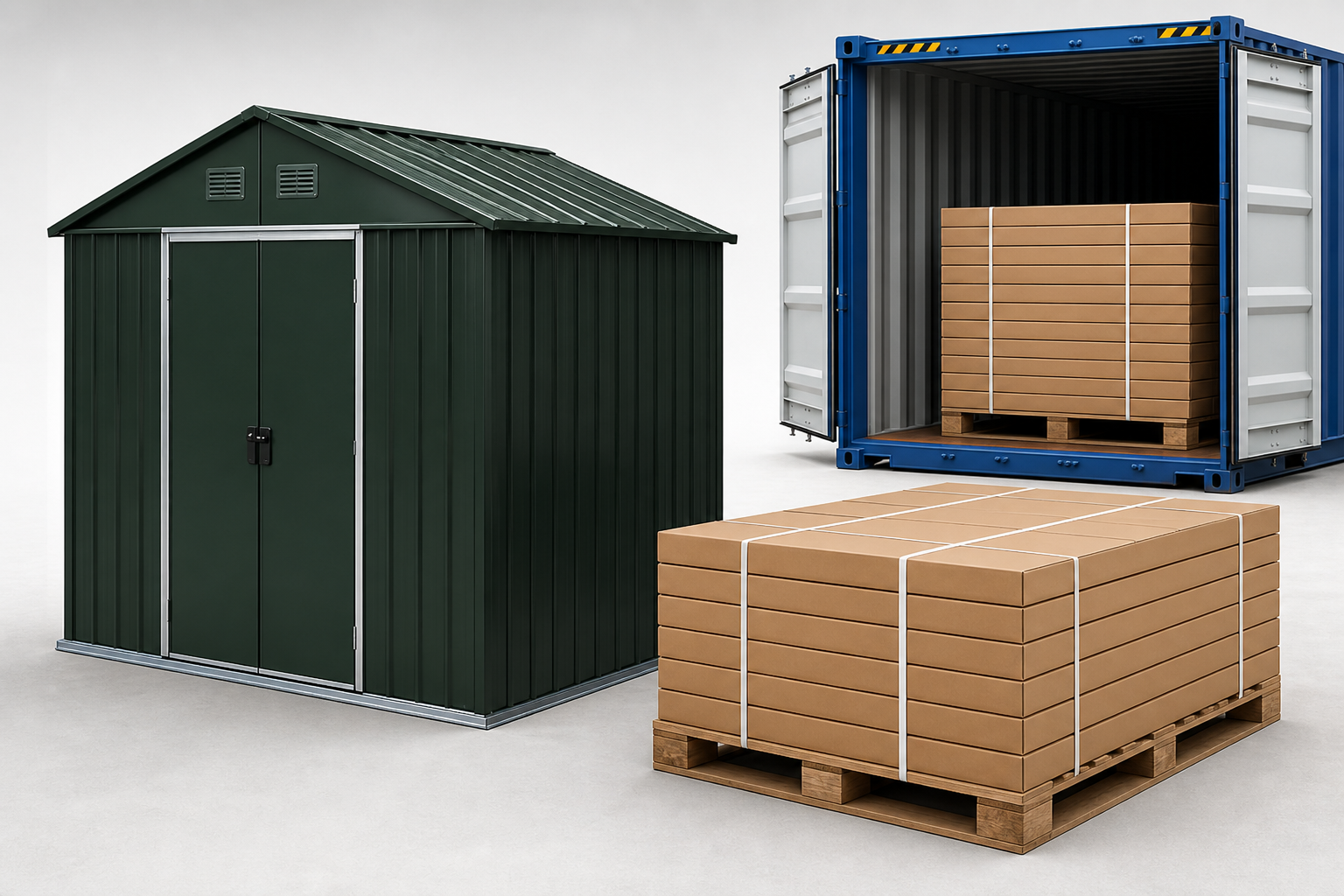
Rozwijaj istniejący asortyment lub twórz nowy z praktycznym wsparciem inżynieryjnym w zakresie konfiguracji, materiałów, wykończenia, opakowania i gotowości produkcyjnej.
- Przegląd specyfikacji i konstrukcji
- Kierunek wykończenia, koloru, brandingu i opakowania
- Pobieranie próbek, kontrola jakości i przygotowanie wysyłki
Strony docelowe i poradniki zakupowe
Kontynuuj ścieżką dopasowaną do Twojego pytania zakupowego.
Program importerski szklarni
Kontroluj dane produktu, opakowania i miejsca docelowego przed wyceną.
Zobacz rozwiązanie dla importerów → 02Hurtowe domki ogrodowe
Porównaj formaty domków metalowych dla programów importerskich, detalicznych i private label.
Poznaj rozwiązania domków ogrodowych → 03Hurtowe magazyny ogrodowe
Zbuduj skoordynowany asortyment obejmujący skrzynie, szafki, przechowywanie rowerów i koszy na śmieci.
Poznaj rozwiązania magazynowe → 04Lista kontrolna zakupu szklarni
Przygotuj dane produktu, konfigurację, opakowanie i dane do zapytania ofertowego.
Skorzystaj z listy kontrolnej → 05Lista kontrolna specyfikacji
Praktyczny arkusz specyfikacji szklarni dla menedżerów produktu.
Zobacz przewodnik po specyfikacji → 06Wszystkie poradniki zakupowe
Przeglądaj wskazówki sourcingowe w kategoriach szklarni, domków ogrodowych i produktów outdoorowych.
Browse buying guides →Prepare a better first conversation
Bring us the product family, market, quantity range and packaging direction.
LERYOU can review the sourcing path before a formal quotation.
Poproś o weryfikację danych zawartych w zapytaniu ofertowym English
 Deutsch
 Français
 Español
 Italiano
 Polski
 日本語
日本語 한국어
한국어 Nederlands
 Čeština
 Português do Brasil
 Русский