For garden-shed retailers, importers, product managers and after-sales teams
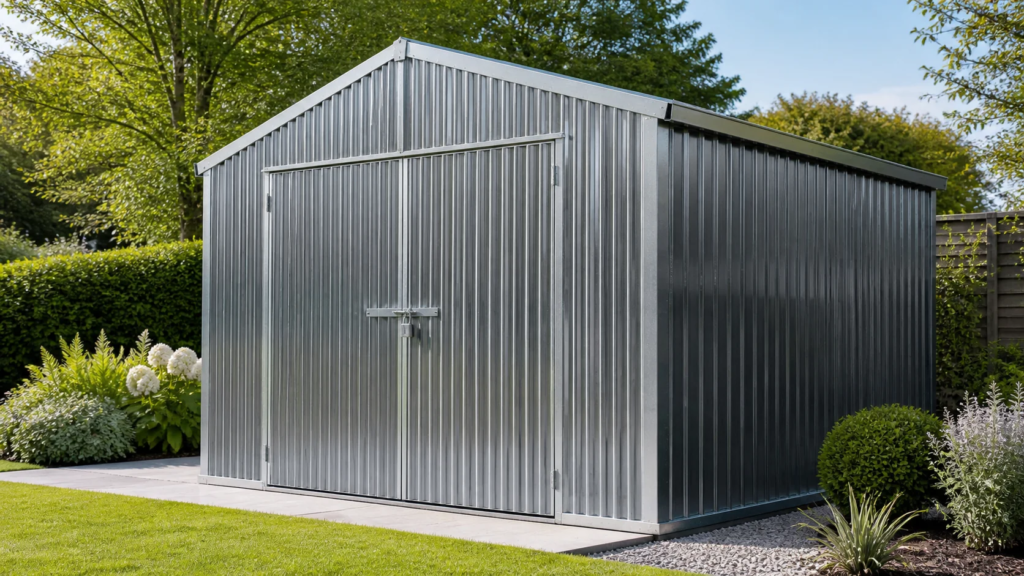
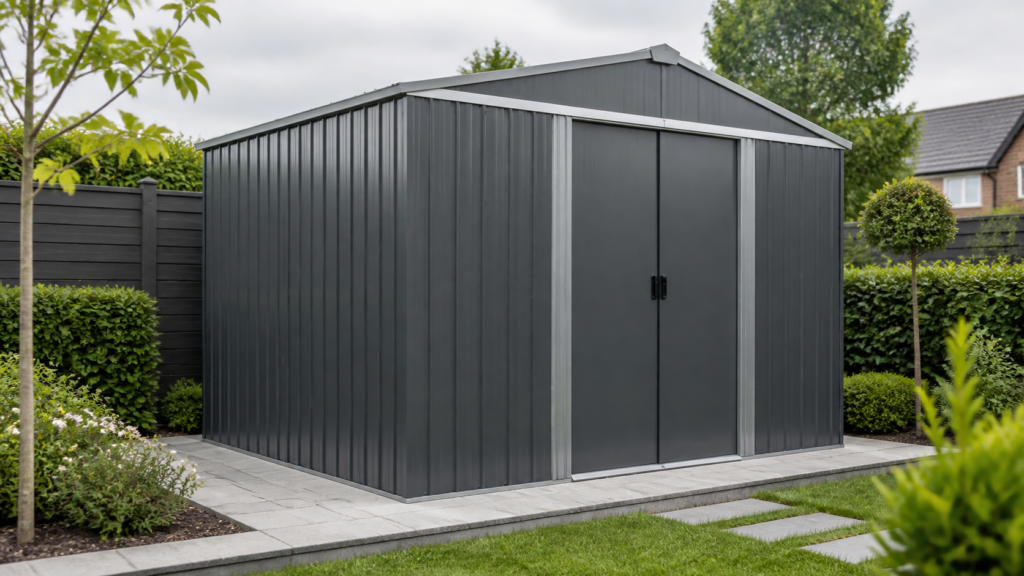
Condensation inside a metal shed is not explained by one panel or one accessory. It occurs when moisture in the air reaches a sufficiently cold surface, and the practical risk is influenced by weather, site, base, stored items, ventilation, user behaviour and the complete shed design.
For buyers, the goal is not to promise that condensation can never occur. The goal is to specify the product clearly, provide accurate installation and use guidance, and avoid unsupported “condensation-free” claims.
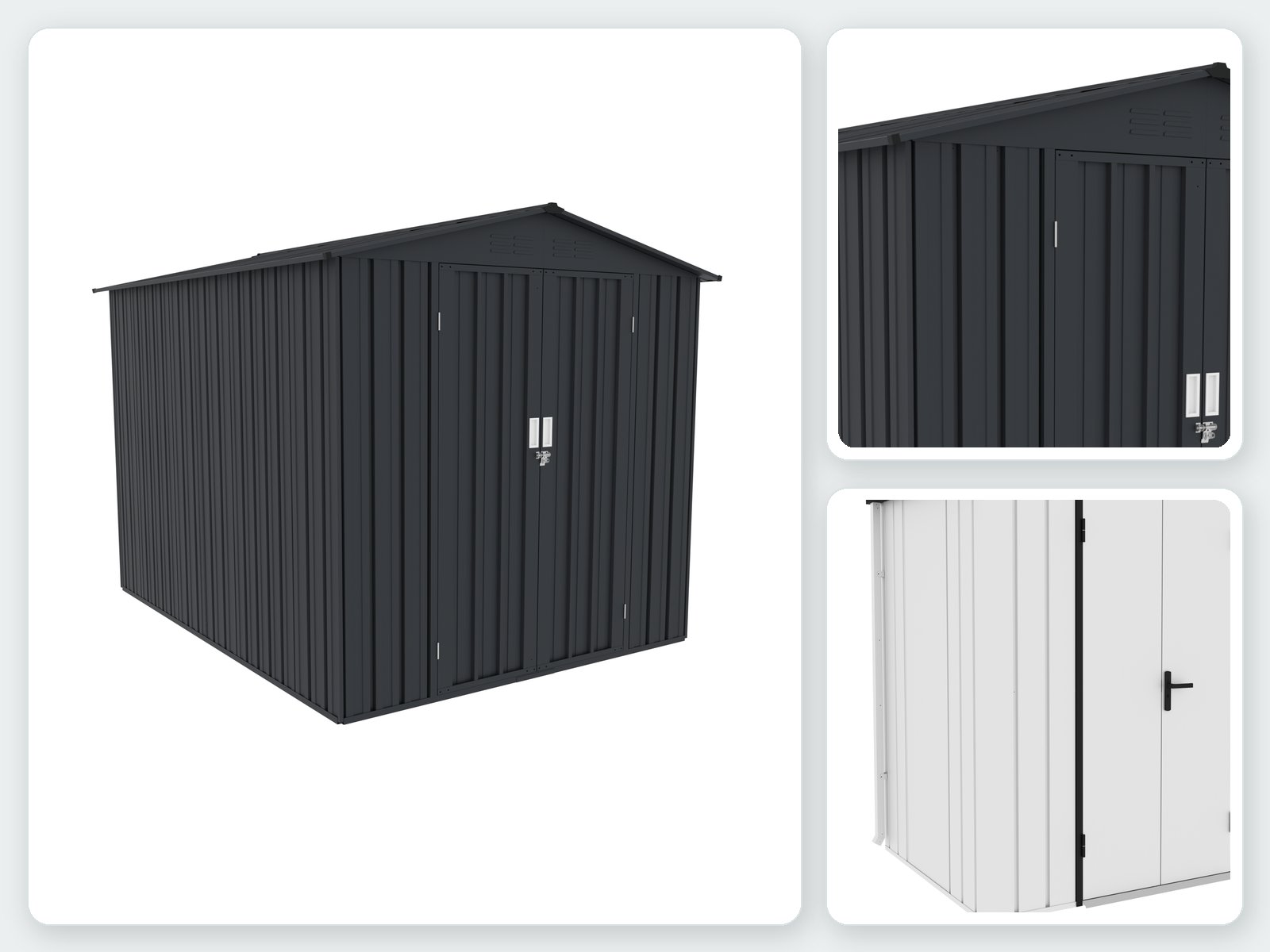
Short answer: what causes condensation in a metal shed?
Condensation forms when moist air contacts a colder surface and cools below its dew point. In a shed, moisture can come from outside air, damp ground, wet equipment, plants or limited air exchange. Buyers should review base/floor separation, ventilation, roof and wall details, site drainage, stored items and user instructions together.
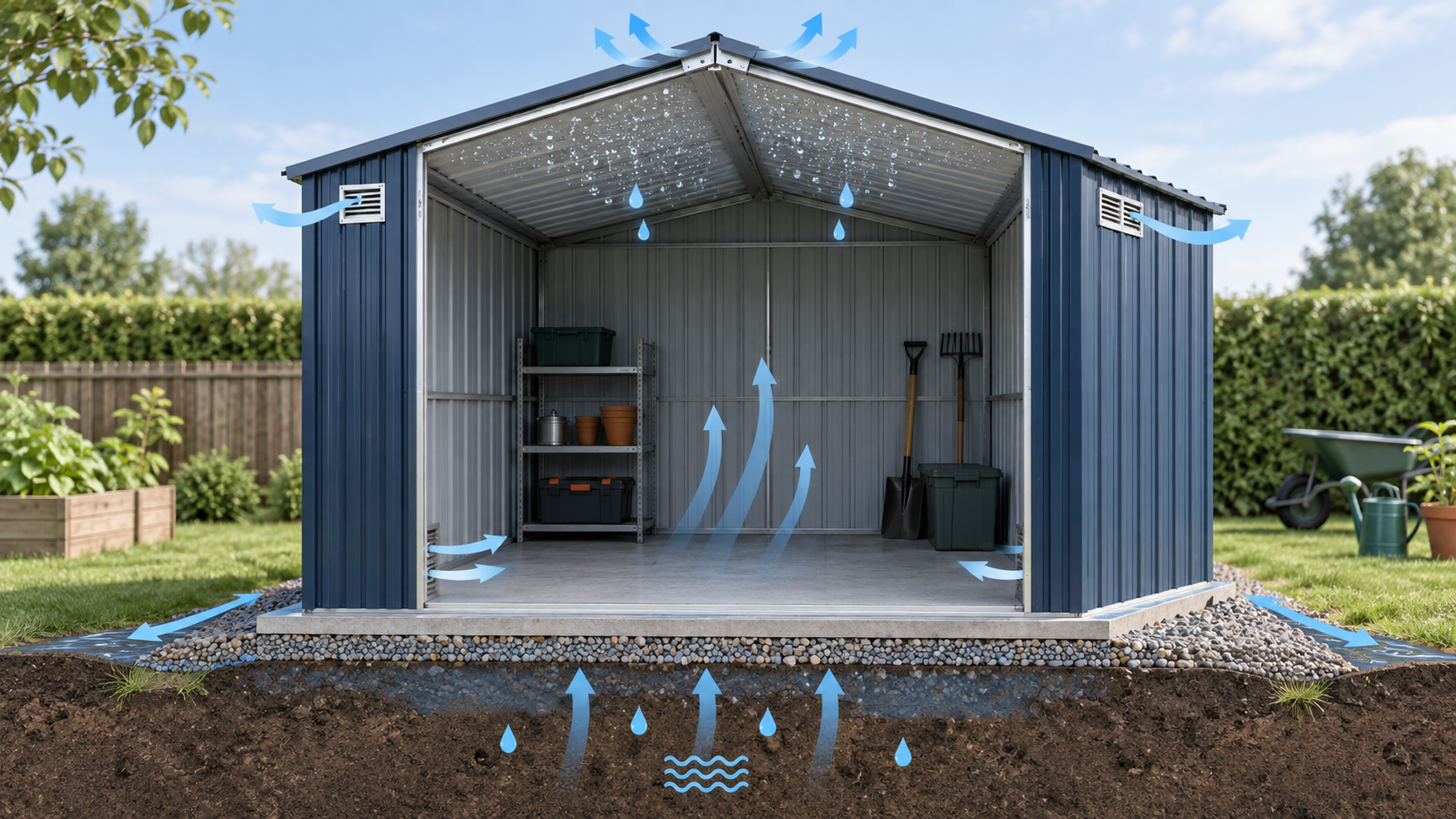
| Moisture factor | Buyer question | Documentation response |
|---|---|---|
| Ground moisture | What base, floor or ground preparation is required? | State product scope and site-preparation responsibility |
| Wet stored items | Will users store wet tools, bicycles or garden equipment? | Provide drying and ventilation guidance without overpromising |
| Air exchange | Which vents or openings are part of the product? | Show their location and keep them unobstructed in instructions |
| Cold surfaces | What roof/wall and lining direction is supplied? | Describe exact components; avoid whole-product thermal claims without evidence |
| Site drainage | Can water collect around or under the shed? | State foundation and drainage preparation requirements |
Separate product design from site conditions
The manufacturer can define panels, frame, vents, base and assembly. The buyer or installer controls foundation preparation, drainage, location and maintenance. Retail copy should make this boundary clear. A well-specified shed can still experience moisture when installed on a damp surface or filled with wet items.
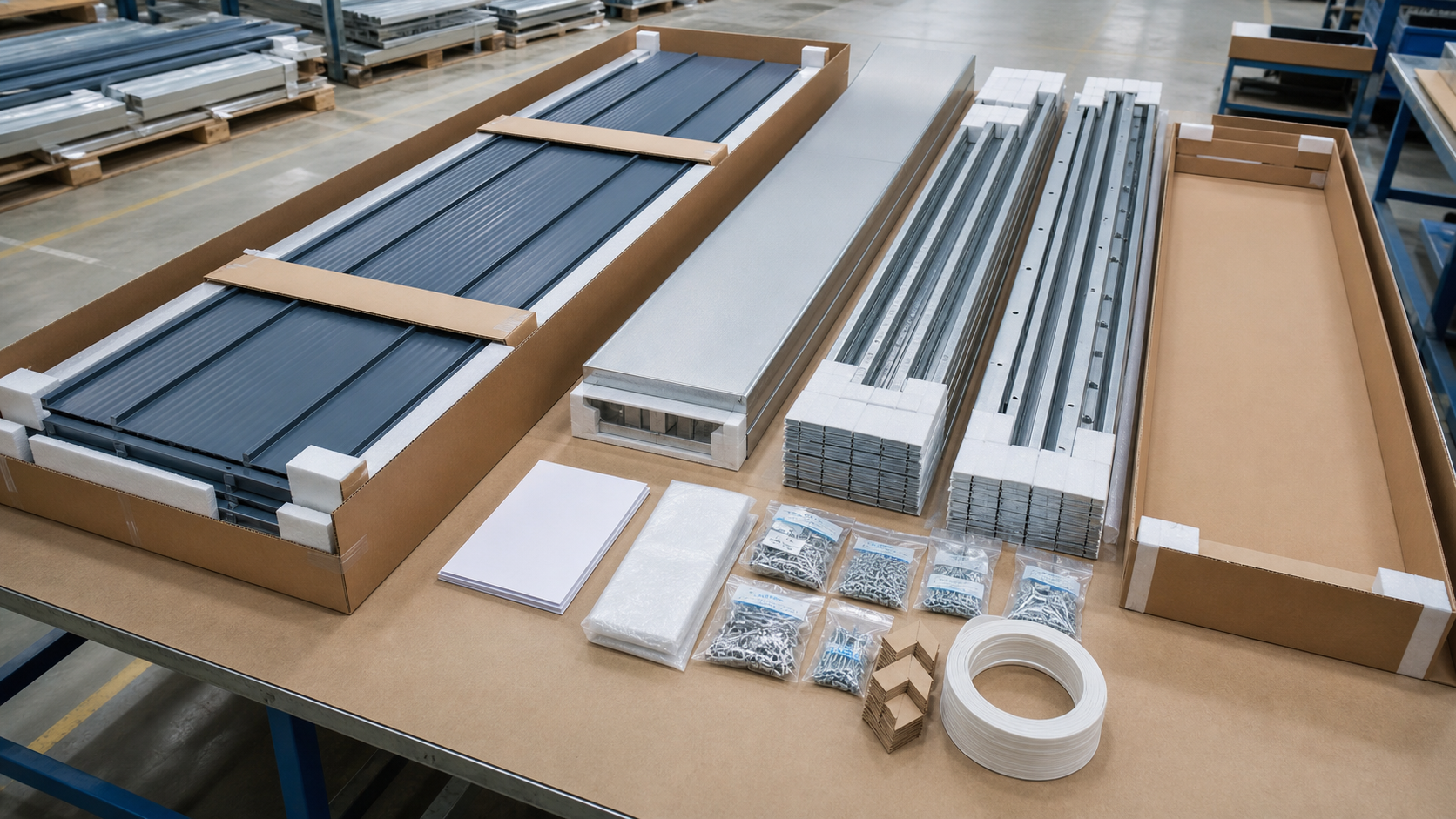
Ask how ventilation is provided
Identify vents, openings or airflow paths on the exact product and show them in the manual. More openings are not automatically better if they compromise other requirements; the complete design needs review. Do not assume that a skylight or door gap is a ventilation system unless it is designed and documented as one.
Confirm the base and floor direction
LERYOU records include aluminium or metal-base directions and selected floor options. Availability varies by product. The quotation should state whether a base or floor is included, what foundation is expected, how the shed interfaces with the surface and which items the buyer or installer supplies.
Control the claims used by sales teams
Avoid “condensation-proof,” “completely dry” or universal weather claims unless specific evidence supports the exact configuration and use conditions. Safer communication explains the product features, required base preparation, ventilation points and user practices.
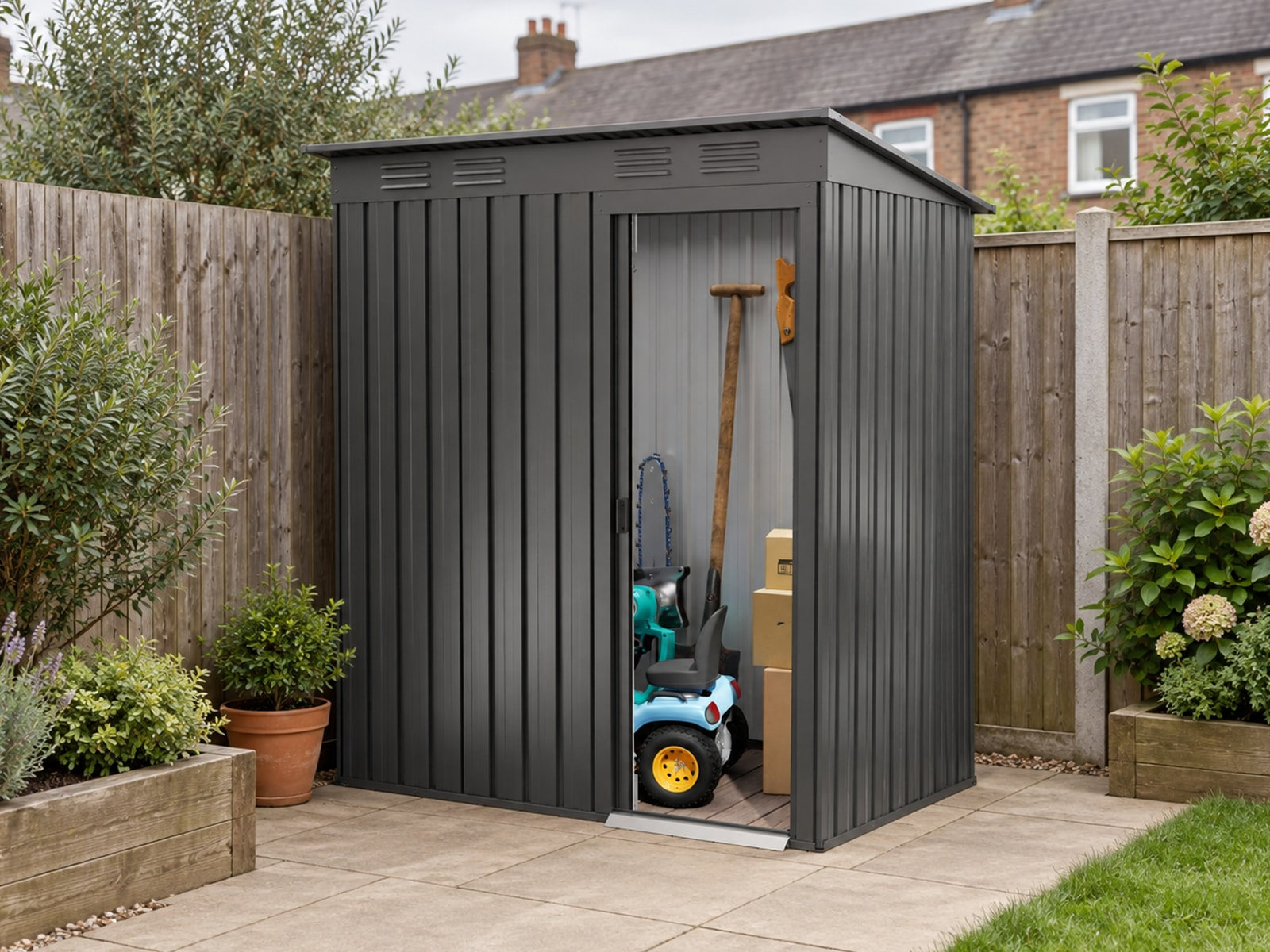
Write a practical user section
- Prepare the foundation and drainage as instructed.
- Keep designed ventilation openings unobstructed.
- Allow wet equipment to drain or dry before long storage where practical.
- Avoid introducing unnecessary moisture sources.
- Inspect the roof, doors, base and seals according to the product instructions.
- Use only accessories or modifications approved for the product.
Buyer specification checklist
- Target climate and installation setting.
- Wall, roof, frame and ventilation configuration.
- Base, floor and site-preparation scope.
- Door and window/skylight directions.
- Intended stored items and likely moisture sources.
- Installation, maintenance and troubleshooting instructions.
- Exact wording and evidence for weather or moisture claims.
- After-sales process for distinguishing installation, damage and product issues.
Используйте metal shed materials guide и LERYOU metal garden shed direction to connect these questions to the complete structure.
Часто задаваемые вопросы
Moist air can condense on colder surfaces. Ground moisture, wet stored items, weather, site drainage, limited air exchange and the shed configuration can all contribute.
No. Ventilation can be part of moisture management, but site, base, weather, stored items and user behaviour also matter.
Not without evidence that supports the exact product and stated conditions. Describe verified features and required installation/use practices instead.
Request the roof, wall, frame, ventilation, base/floor, assembly, site-preparation, maintenance and claims-evidence scope for the selected configuration.
Review moisture-related product information
Explore LERYOU garden shed solutions, review the metal shed parts checklist, или send the target market, installation conditions, base and ventilation requirements for a specification review.
Content scope reviewed against LERYOU’s current product knowledge records in September 2026. Final specifications, packaging, evidence and supply scope must be confirmed for the selected product and destination market.
 English
 Deutsch
 Français
 Español
 Italiano
 Polski
 日本語
日本語 한국어
한국어 Nederlands
 Čeština
 Português do Brasil
 Русский