
Un abri de jardin en métal est vendu comme un produit de stockage fini, mais un acheteur ne l’approuve pas comme un seul article. Derrière chaque modèle se trouve un système de pièces : panneaux muraux, panneaux de toit, profilés de structure, rails de base, composants de porte, fixations, garnitures, étiquettes, manuels et matériaux d’emballage.
Pour les acheteurs en distribution et les importateurs, la liste des pièces est plus qu’un document d’assemblage. Elle aide votre équipe à vérifier si le devis correspond à l’abri sélectionné, si l’emballage peut soutenir votre canal de distribution, si le manuel d’utilisation est réaliste et si les équipes après-vente sauront identifier les pièces manquantes ou endommagées.
Ce guide explique comment examiner une liste de pièces d’abri de jardin en métal avant une demande de devis, une approbation d’échantillon ou une mise en vente au détail. Il ne s’agit pas d’une nomenclature universelle. Les composants exacts et les quantités doivent toujours être confirmés pour le modèle, la taille et la configuration sélectionnés.
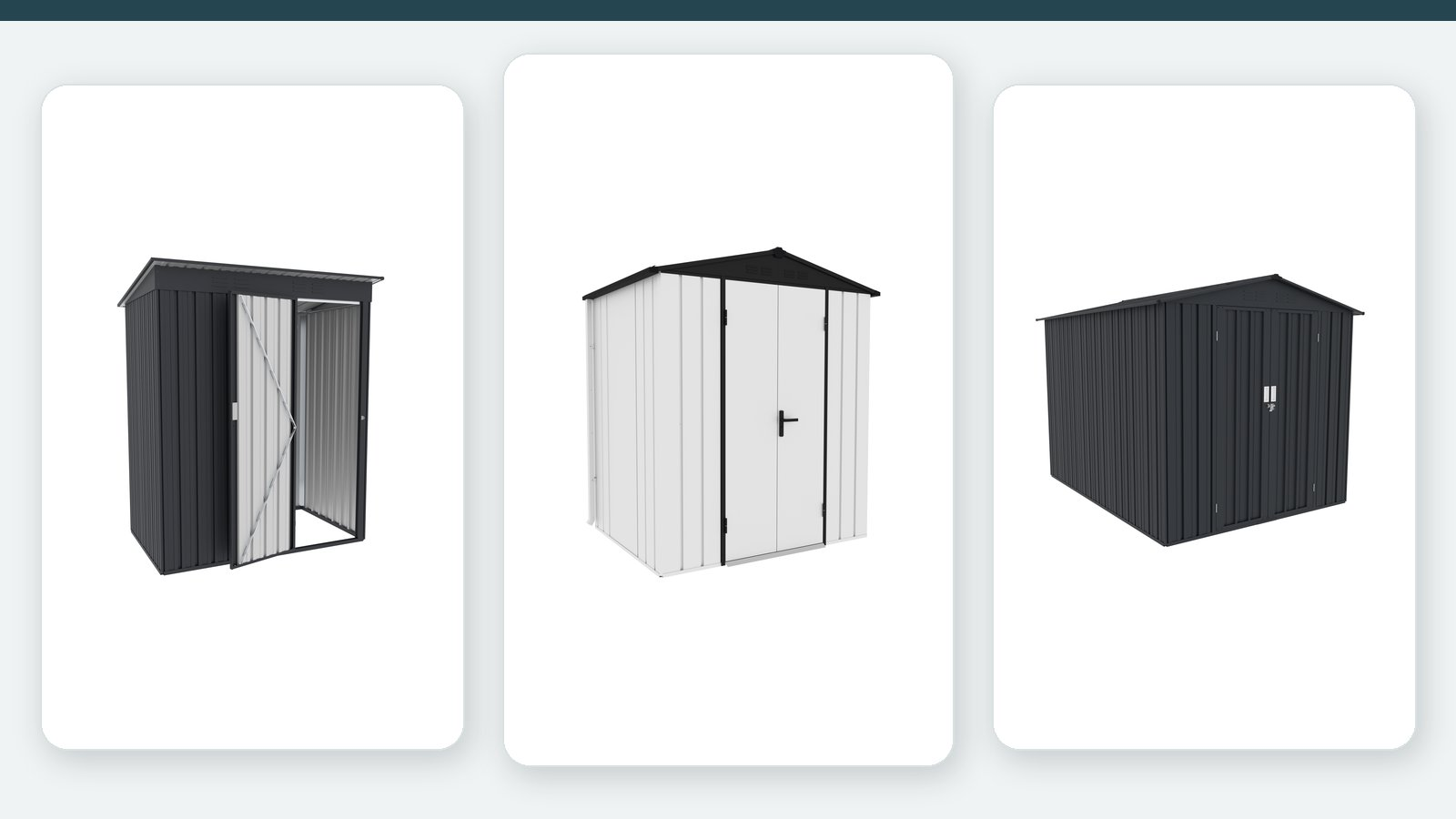
Pourquoi la liste des pièces est importante avant le devis
De nombreux abris en métal se ressemblent dans les images de catalogue. Les vraies différences apparaissent lorsque vous examinez le kit complet :
- combien de types de panneaux sont impliqués ;
- comment les pièces de toit et de mur se connectent ;
- comment le système de porte est construit ;
- comment les fixations et les garnitures sont identifiées ;
- comment les pièces sont regroupées dans l’emballage ;
- comment le manuel, les étiquettes de carton et les enregistrements après-vente correspondent au produit physique.
Si la liste des pièces n’est pas claire, le devis peut encore sembler acceptable, mais le projet peut devenir plus difficile lors de l’examen des échantillons, de l’approbation de l’emballage, de la mise en ligne sur une place de marché, du service client ou de la gestion des pièces de rechange.
Pour un acheteur B2B, la question pratique n’est pas “ Combien de vis y a-t-il dans un abri ? ” La meilleure question est : “ Notre équipe peut-elle comprendre, vérifier et prendre en charge chaque pièce livrée dans le kit ? ”
Commencez par la plateforme d’abri approuvée
Avant d’examiner la liste des pièces, confirmez la plateforme produit. Un abri en métal classique, un abri avec puits de lumière, un abri à paroi plane, une version renforcée ou un abri multifonction peut utiliser différents panneaux, ouvertures, profilés, détails de toit et accessoires.
Au début d’une demande de devis, donnez au fournisseur une orientation produit claire :
- marché cible et canal de distribution ;
- type d’abri prévu ou famille de produits ;
- direction approximative de taille ou usage de stockage ;
- direction du toit, par exemple à deux pans, à un pan ou concept plat/à faible pente ;
- type de porte et attente d’accès ;
- exigence de base ou de plancher le cas échéant ;
- canal d’emballage, tel que commerce électronique, magasin de détail ou manutention par distributeur ;
- besoins en matière de marque, de langue du manuel et d’étiquetage.
Cela permet de lier la discussion sur la liste des pièces à un produit réel plutôt qu’à un concept d’abri abstrait. Si vous planifiez encore l’assortiment, comparez d’abord les principales orientations produit dans le Types d’abris de jardin en métal guide de LERYOU.
Pièces principales généralement présentes dans un kit d’abri de jardin en métal
Les pièces exactes varient selon le modèle, mais un kit d’abri de jardin en métal comprend normalement plusieurs grands groupes. Les acheteurs doivent examiner chaque groupe séparément, car chacun affecte l’assemblage, l’emballage et le support après-vente.
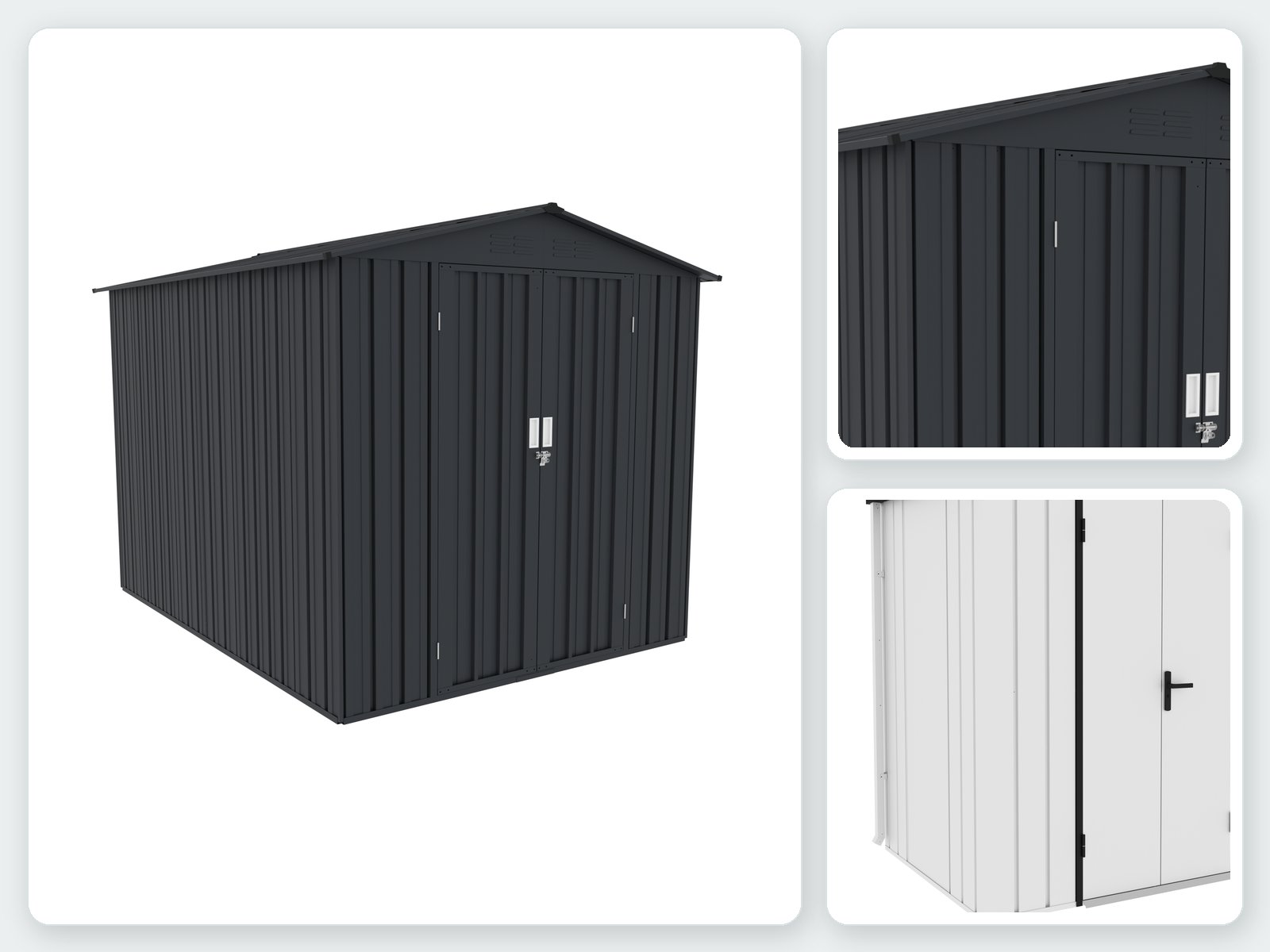
Panneaux muraux
Les panneaux muraux forment l’enceinte de stockage visible. Selon la plateforme, ils peuvent utiliser des formes de panneaux ondulés, à nervures verticales ou plus plats. Un acheteur ne doit pas juger les panneaux uniquement sur l’apparence. L’examen doit inclure :
- l’orientation des panneaux et le traitement des bords ;
- la façon dont les panneaux se chevauchent ou se connectent ;
- l’endroit où les panneaux rencontrent les coins, les portes et les sections de toit ;
- si les panneaux gauche/droit ou avant/arrière sont faciles à identifier ;
- la façon dont les panneaux sont protégés à l’intérieur du carton ;
- si le manuel montre les mêmes formes de panneaux que le produit emballé.
Pour les chefs de produit, c’est ici que la promesse visuelle du cabanon rencontre la réalité du montage. Si la page produit montre un extérieur net mais que la liste des pièces est difficile à suivre, la pression sur le support client peut augmenter après le lancement.
Panneaux de toit et pièces de rive de toit
Les pièces de toit doivent correspondre au concept de toit retenu. Les conceptions à deux pans, à un pan et d’aspect plat ou à faible pente peuvent utiliser des détails différents de faîtage, de rive, d’évacuation des eaux et de raccordement.
Vérifiez ces points avant validation :
- sens et ordre des panneaux de toit ;
- pièces de faîtage ou de raccordement supérieur le cas échéant ;
- profilés de rive de toit et relations d’angle ;
- sens d’évacuation des eaux indiqué dans la notice ;
- protection d’emballage pour les panneaux de toit plus longs ;
- si les pièces de toit sont clairement séparées des panneaux de paroi dans la liste des pièces.
Ne partez pas du principe que chaque cabanon de la gamme d’un fournisseur utilise la même visserie de toit. La structure du toit doit être vérifiée par rapport au modèle réel.
Profilés de cadre, rails de base et connecteurs structurels
Le cadre donne au cabanon sa géométrie. Il détermine également la manière dont les panneaux, les portes, les sections de toit et les pièces de base s’alignent lors du montage.
Demandez au fournisseur d'indiquer :
- corner profiles;
- top and bottom rails;
- roof support profiles;
- door-opening profiles;
- base or floor-related parts;
- internal or external connection pieces;
- any configuration-dependent reinforcement parts.
This section of the parts list is important for sample review. If a frame profile is missing, misidentified or visually too similar to another part, the end user may assemble the product incorrectly even when all parts are physically present.
For deeper structure review, use the Guide sur les matériaux et la structure des abris de jardin métalliques alongside the parts list.
4. Door and Access Components
Door parts affect the user's first impression more than many buyers expect. A shed can have an acceptable storage volume but still feel inconvenient if the access system is poorly defined.
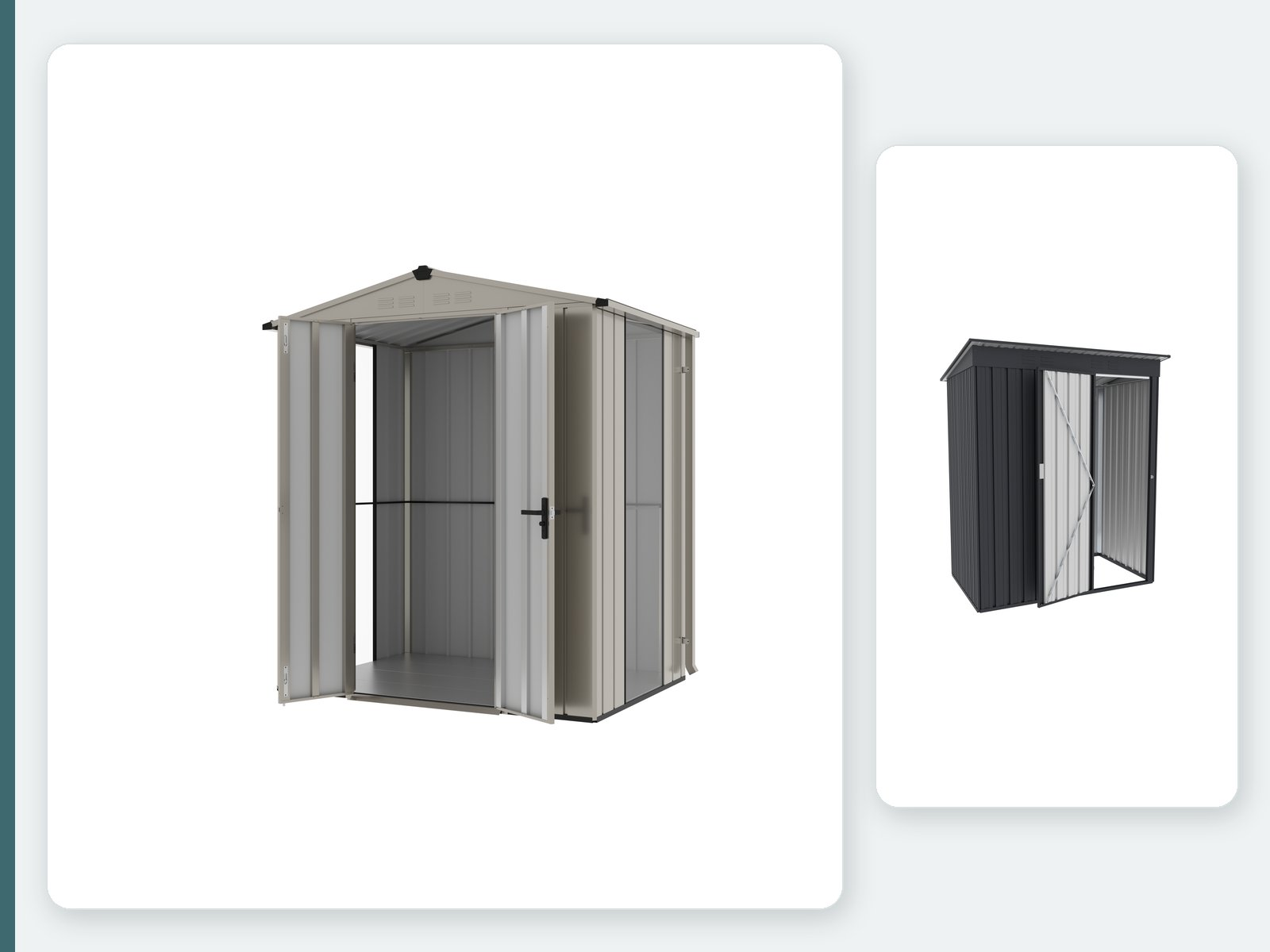
Depending on the selected configuration, the door system may include:
- door panels;
- hinge or sliding-track components;
- handle or latch parts;
- guide rails or stop parts;
- threshold or base relationship parts;
- screws or fasteners dedicated to the door assembly.
For B2B review, confirm whether the manual clearly separates door hardware from general hardware. This helps installers avoid using the wrong screws or fittings in the wrong step.
Door options are platform-specific. Do not assume that a door system available on one shed can be transferred to every model without review.
5. Fasteners, Washers, Hardware Bags and Small Parts
Small parts create a large share of after-sales questions. They are also easy to overlook during quotation because they are not as visible as panels or doors.
The parts list should make hardware easy to identify:
- screws and bolts grouped by type;
- washers or sealing-related parts where applicable;
- nuts, caps, brackets or clips;
- spare or extra hardware if the supplier has approved this for the project;
- clear bag labels that match the manual;
- consistent part codes across carton labels, instructions and after-sales records.
Avoid requesting vague “extra screws” without specifying the project expectation. If the retailer wants spare hardware, that should be confirmed as part of the approved packing plan.
6. Trims, Covers, Vents and Accessory Parts
Some parts do not look structural but still matter for the finished product. Corner trims, edge covers, vents, skylight elements, shelves, hooks or extension-related parts can change the user experience and the retail position.
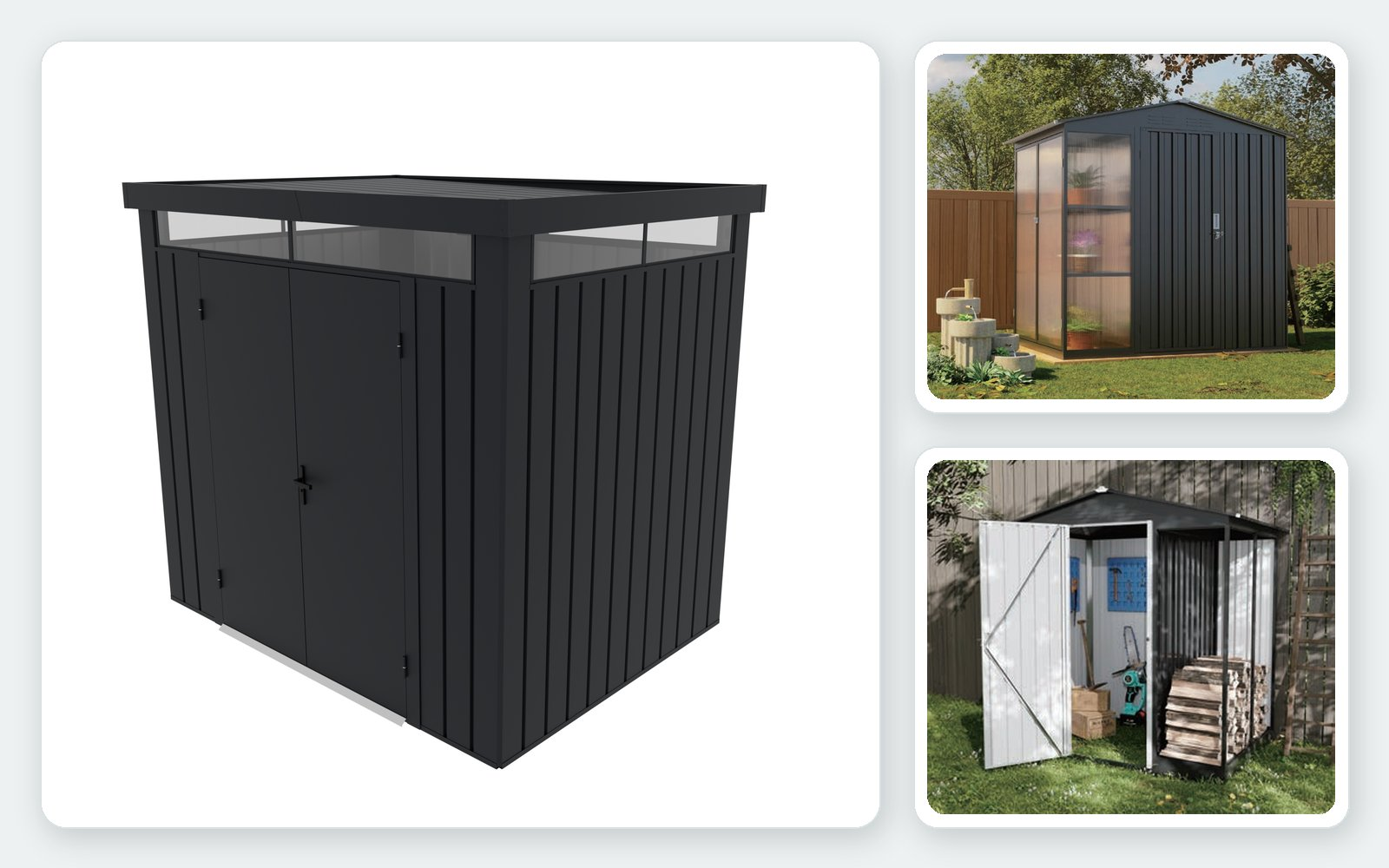
Buyers should confirm whether each item is:
- part of the standard kit;
- optional for selected configurations;
- compatible only with certain sizes or platforms;
- a new development request;
- included in the quotation and packaging plan.
This prevents the common problem where catalogue images, quotation notes and packed parts describe slightly different versions of the product.
Check the Packing List, Not Only the Parts List
A parts list says what components should be in the kit. A packing list explains how those components are packed, labeled and protected.
For importers and retailers, both documents matter. Long panels and profiles may require protection from movement and edge damage. Hardware bags should be easy to find. Instructions should be placed where users can locate them before beginning assembly.
Critique :
- carton breakdown by product size;
- grouping of panels, profiles, doors and hardware;
- protection for edges, corners and visible surfaces;
- instruction manual placement;
- external labels and part identification;
- whether packaging files match the approved configuration;
- whether the package suits e-commerce, retail-store or distribution handling.
Do not state carton test results, container quantities or damage-performance claims unless they are confirmed for the exact project. If packaging is a major part of the buying decision, also review LERYOU's guide to flat-pack packaging for garden and outdoor products.
After-Sales Review: Can Your Team Identify a Part Quickly?
After-sales teams need more than a nice finished-product image. They need a way to identify which part the customer is describing.
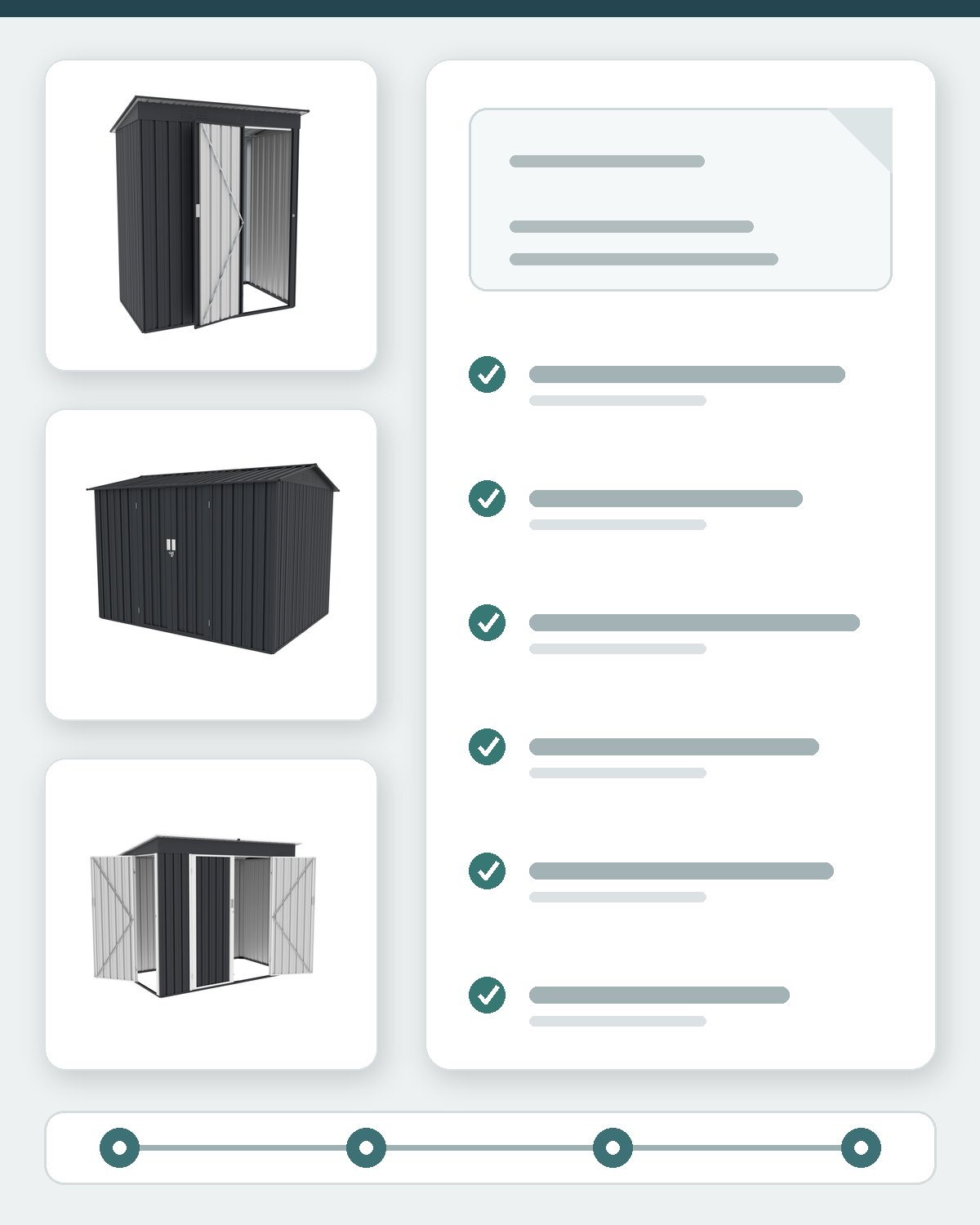
Before launch, ask whether the supplier can support a clear identification flow:
- finished product model or version;
- part number or part code used in the manual;
- carton or bag label reference;
- photo guidance for panels, profiles and hardware;
- relationship between the manual diagram and the actual packed part;
- process for confirming missing or damaged parts.
This does not mean every supplier must promise a universal spare-parts stock program. Spare-parts availability, replacement terms and service process must be confirmed commercially. The important first step is making sure the parts list and manual give both sides the same language.
What Product Managers Should Check Before Listing
For product managers, the parts list supports product data quality. It helps confirm that the listing, manual and real product are aligned before launch.
Use the parts list to check:
- whether the product images match the approved shed version;
- whether the size and configuration described in the listing match the manual;
- whether optional accessories are separated from standard included parts;
- whether assembly claims are realistic and supported by instructions;
- whether replacement-part questions can be answered without guessing;
- whether the same product name, code and version are used across files.
If your team is preparing product data for retail listing, combine this article with the Metal Garden Shed Product Data Checklist for Retailers if available in your internal workflow.
What Procurement Teams Should Ask in an RFQ
A strong RFQ does not need to include every technical detail at the first email, but it should be specific enough for the supplier to understand the requested product system.
Envoyer au fournisseur :
- target shed type and intended customer use;
- size direction or preferred product range;
- roof and door preference;
- required standard kit contents;
- optional accessories under consideration;
- manual and language requirements;
- packaging channel and label requirements;
- any after-sales part-identification expectation;
- sample review and document-review requirements.
Then ask the supplier to confirm:
- which parts are included in the standard kit;
- which parts are optional or configuration-dependent;
- how hardware bags are labeled;
- how the manual refers to each part;
- how packaging files are controlled after configuration changes;
- what information is needed before quotation can be finalized.
This approach usually creates a more useful conversation than asking for a price against a vague “metal shed” description.
Metal Garden Shed Parts List Review Checklist
Use this checklist before RFQ, sample approval or retail launch.
Product and Version
- Is the shed type clearly identified?
- Is the size or configuration direction clear?
- Are roof, door, base and accessory choices confirmed?
- Is the parts list tied to the same version as the quotation and manual?
Panels and Structure
- Are wall panels easy to identify?
- Are roof parts listed separately from wall parts?
- Are frame profiles, rails and connectors clearly named?
- Are left/right or front/back parts shown clearly?
- Are trims, covers and vents included where applicable?
Hardware and Assembly
- Are fasteners grouped by type?
- Are hardware bags labeled in a way users can follow?
- Does the manual use the same part names or codes?
- Are door components separated from general hardware?
- Are assembly steps consistent with the listed parts?
Emballage et documentation
- Does the packing list match the parts list?
- Are long panels and profiles protected appropriately?
- Are manual, labels and packaging files aligned with the approved version?
- Are optional accessories separated from standard contents?
- Are after-sales teams able to identify parts from the documentation?
Commercial and Approval Control
- Are optional parts included in the quotation or priced separately?
- Are spare-parts expectations clearly agreed if required?
- Are branding and language requirements documented?
- Are revision changes controlled before sample or production approval?
Common Mistakes to Avoid
Treating the Catalogue Image as the Specification
Images are useful, but they do not replace a confirmed parts list. A catalogue image may not show internal rails, bagged hardware, base details or packaging logic.
Assuming One Parts List Fits Every Shed
Even products in the same family can have different components by size, roof form, door style or accessory package. Confirm the exact model.
Mixing Standard and Optional Parts
If optional shelves, floors, vents, hooks, skylight parts or extensions are shown in marketing material, make sure the quotation states whether they are included.
Ignoring Hardware Identification
Small hardware parts can create disproportionate support issues. Clear labeling and matching manual codes are worth checking early.
Reviewing Packaging Too Late
Packaging is part of the product experience. It affects protection, assembly flow, marketplace complaints and replacement handling. Review it before final approval.
FAQ
What parts are usually included in a metal garden shed kit?
Most kits are built from wall panels, roof panels, frame or rail profiles, door components, fasteners, trims, small hardware and assembly instructions. Exact contents vary by model and configuration.
Should a buyer ask for exact screw quantities before quotation?
For final approval, yes, the selected model should have a clear parts list and hardware breakdown. At early RFQ stage, it is more useful to first define the shed type, size direction, door/roof configuration, packaging channel and documentation requirements.
Are spare parts always included?
No universal assumption should be made. Spare hardware, replacement parts and after-sales service terms must be confirmed for the specific project.
Can the same parts list be used for private-label packaging?
Only if the private-label version uses the same approved configuration. Branding, language, labels, manual files and carton artwork must match the final product version.
What should importers check before approving a sample?
Compare the physical sample against the quotation, parts list, packing list, manual, labels and product images. Any mismatch should be corrected before the product is approved for retail launch.
Work With LERYOU on a Clear Metal Shed Kit Specification
A useful metal garden shed RFQ should define the product system, not just the finished appearance. Send LERYOU your target market, sales channel, shed type, size direction, roof and door preference, packaging expectations and after-sales documentation needs.
You can review the OEM metal garden shed product line, browse Solutions pour abris de jardin, comparez les Types d'abris de jardin en métal, ou Contactez LERYOU to discuss a parts-list and RFQ review for your program.
 English
 Deutsch
 Français
 Español
 Italiano
 Polski
 日本語
 한국어
 Nederlands
 Čeština
 Português do Brasil
 Русский
 ไทย
