Elenco dei componenti per casette da giardino in metallo: cosa dovrebbero verificare gli acquirenti al dettaglio prima di richiedere un preventivo
Un capanno da giardino in metallo viene venduto come prodotto finito per lo stoccaggio, ma un acquirente non lo approva come un unico articolo. Dietro ogni modello c'è un sistema di componenti: pannelli per pareti, pannelli per tetto, profili del telaio, binari di base, componenti per porte, elementi di fissaggio, finiture, etichette, manuali e materiali di imballaggio.
Per acquirenti al dettaglio e importatori, la distinta dei componenti è più di un documento di montaggio. Aiuta il tuo team a verificare se il preventivo corrisponde al capanno selezionato, se l'imballaggio può supportare il tuo canale, se il manuale d'uso è realistico e se i team post-vendita sapranno come identificare componenti mancanti o danneggiati.
Questa guida spiega come esaminare la distinta dei componenti di un capanno da giardino in metallo prima di una richiesta di preventivo, dell'approvazione del campione o dell'inserimento nel listino al dettaglio. Non si tratta di una distinta base universale. I componenti esatti e le quantità devono sempre essere confermati per il modello, la dimensione e la configurazione selezionati.
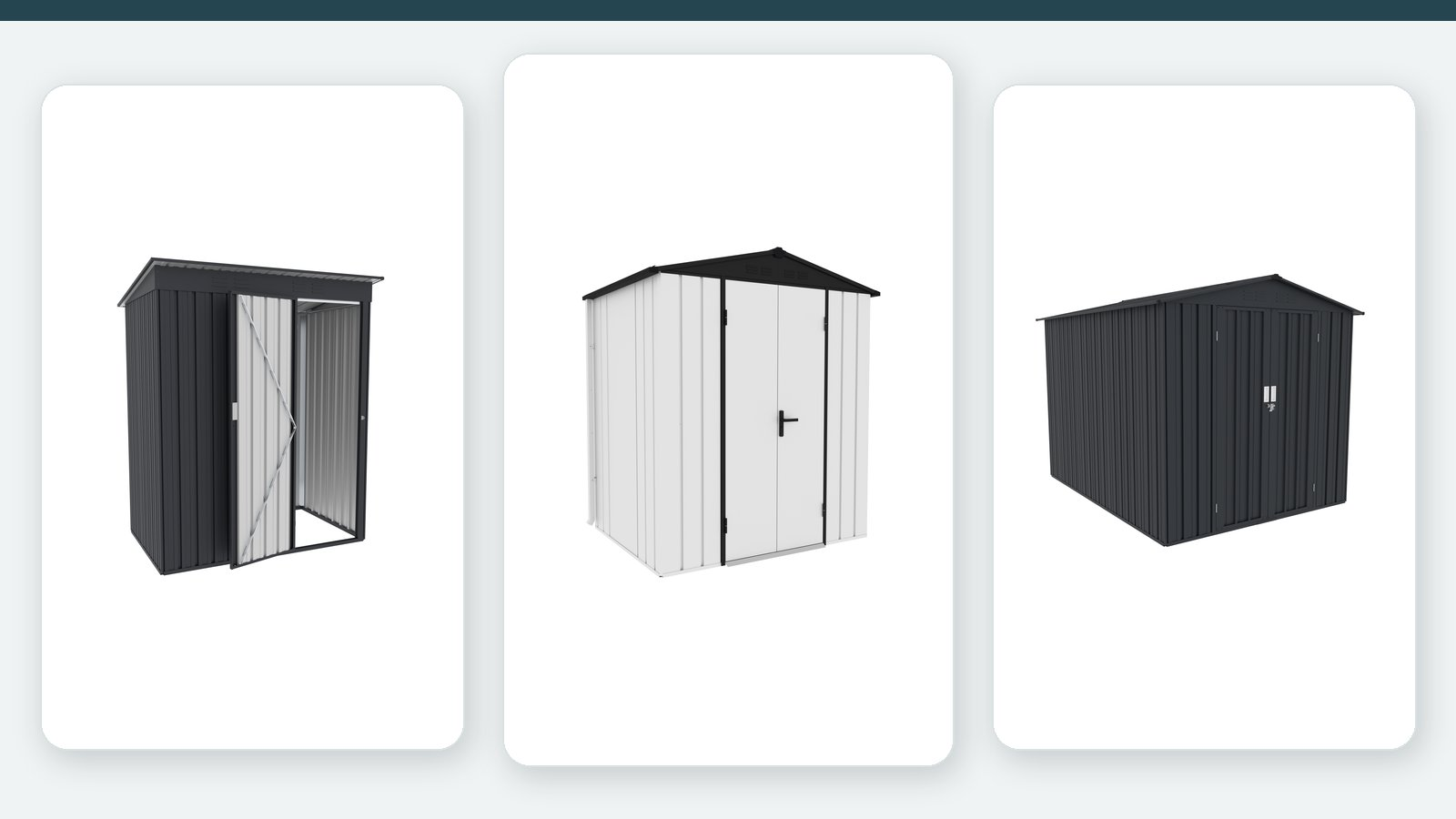
Perché la distinta dei componenti è importante prima del preventivo
Molti capanni in metallo sembrano simili nelle immagini del catalogo. Le differenze reali emergono quando si esamina il kit completo:
- quanti tipi di pannelli sono coinvolti;
- come si collegano le parti del tetto e delle pareti;
- come è costruito il sistema della porta;
- come sono identificati elementi di fissaggio e finiture;
- come sono raggruppati i componenti all'interno dell'imballaggio;
- come il manuale, le etichette del cartone e i registri post-vendita corrispondono al prodotto fisico.
Se la distinta dei componenti non è chiara, il preventivo può comunque sembrare accettabile, ma il progetto può diventare più difficile durante l'esame del campione, l'approvazione dell'imballaggio, l'inserimento nel marketplace, il servizio clienti o la gestione dei pezzi di ricambio.
Per un acquirente B2B, la domanda pratica non è “Quante viti ci sono in un capanno?” La domanda migliore è: “Il nostro team può comprendere, verificare e supportare ogni componente che arriva nel kit?”
Inizia con la piattaforma del capanno approvata
Prima di esaminare la distinta dei componenti, conferma la piattaforma del prodotto. Un capanno in metallo classico, un capanno con lucernario, un capanno a parete piatta, una versione heavy-duty o un capanno multifunzionale possono utilizzare pannelli, aperture, profili, dettagli del tetto e accessori diversi.
All'inizio di una richiesta di preventivo, fornisci al fornitore una chiara direzione di prodotto:
- mercato di riferimento e canale di vendita;
- tipo di capanno previsto o famiglia di prodotto;
- direzione approssimativa delle dimensioni o uso di stoccaggio;
- direzione del tetto, come a due falde, a una falda o concetto piatto/a bassa pendenza;
- tipo di porta e aspettativa di accesso;
- requisito di base o pavimento, se applicabile;
- canale di imballaggio, come e-commerce, negozio al dettaglio o gestione da parte del distributore;
- esigenze di branding, lingua del manuale ed etichettatura.
Questo mantiene la discussione sulla distinta dei componenti legata a un prodotto reale invece che a un concetto astratto di capanno. Se stai ancora pianificando l'assortimento, confronta prima le principali direzioni di prodotto nella guida di LERYOU Tipi di capanni da giardino in metallo .
Componenti principali solitamente presenti in un kit di capanno da giardino in metallo
I componenti esatti variano in base al modello, ma un kit di capanno da giardino in metallo include normalmente diversi gruppi generali. Gli acquirenti dovrebbero esaminare ciascun gruppo separatamente perché ognuno influisce su montaggio, imballaggio e supporto post-vendita.
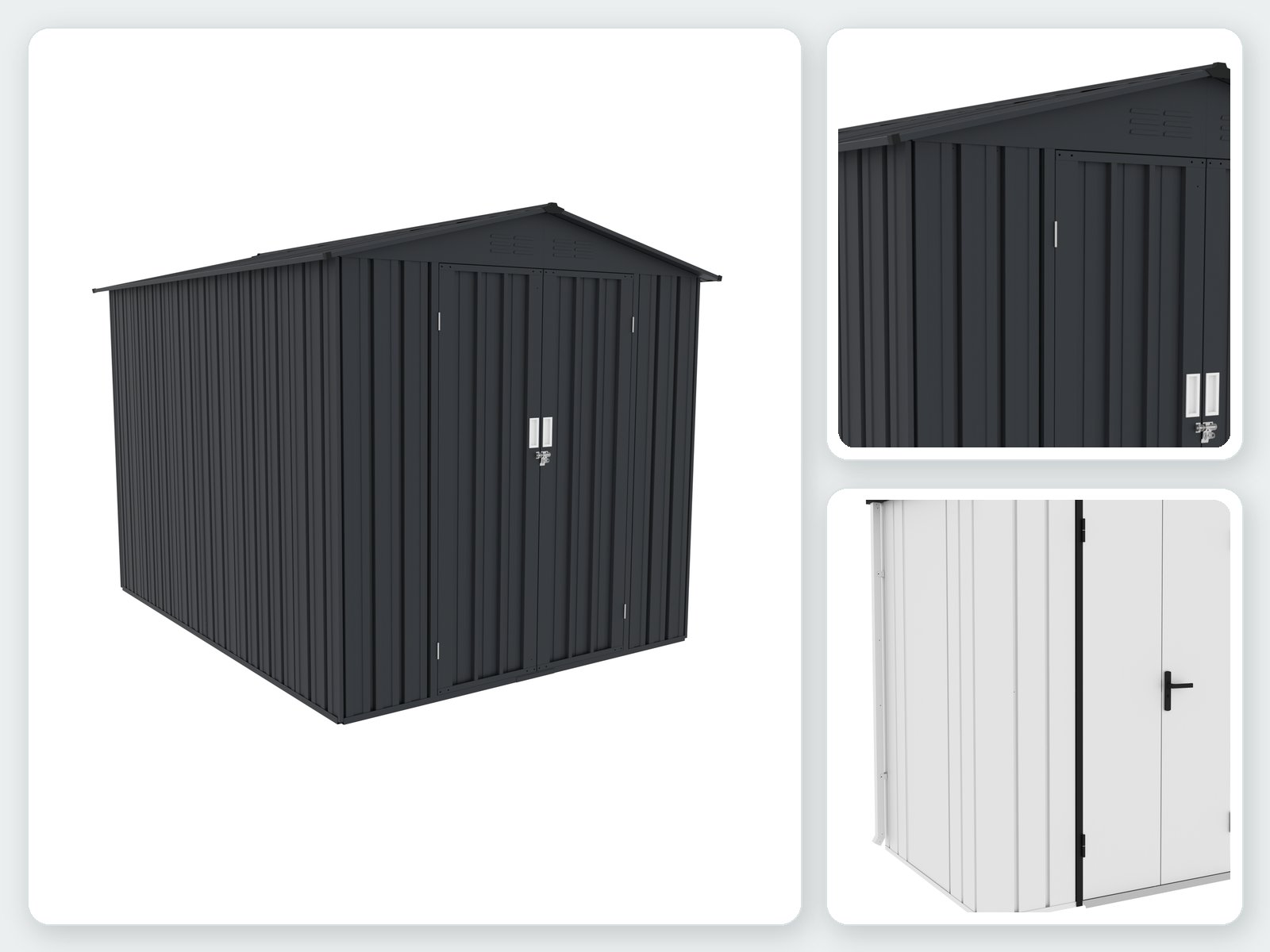
Pannelli per pareti
I pannelli per pareti formano l'involucro di stoccaggio visibile. A seconda della piattaforma, possono utilizzare forme di pannelli ondulati, con nervature verticali o più piatti. Un acquirente non dovrebbe giudicare i pannelli solo dall'aspetto. L'esame dovrebbe includere:
- orientamento dei pannelli e trattamento dei bordi;
- come i pannelli si sovrappongono o si collegano;
- dove i pannelli incontrano angoli, porte e sezioni del tetto;
- se i pannelli sinistra/destra o anteriore/posteriore sono facili da identificare;
- come i pannelli sono protetti all'interno del cartone;
- se il manuale mostra le stesse forme dei pannelli del prodotto imballato.
Per i product manager, è qui che la promessa visiva del capanno incontra la realtà dell'assemblaggio. Se la pagina prodotto mostra un esterno pulito ma la distinta parti è difficile da seguire, la pressione sull'assistenza clienti può aumentare dopo il lancio.
Pannelli del tetto e parti del bordo del tetto
Le parti del tetto devono corrispondere al concetto di tetto selezionato. I design a due falde, a una falda e dall'aspetto piatto o a bassa pendenza possono utilizzare dettagli diversi per colmo, bordo, drenaggio e collegamento.
Esaminare questi punti prima dell'approvazione:
- direzione e sequenza dei pannelli del tetto;
- parti di collegamento del colmo o superiori, ove applicabili;
- finiture del bordo del tetto e relazioni con gli angoli;
- direzione del drenaggio mostrata nel manuale;
- protezione dell'imballaggio per i pannelli del tetto più lunghi;
- se le parti del tetto sono chiaramente separate dai pannelli delle pareti nella distinta parti.
Non dare per scontato che ogni capanno della gamma di un fornitore utilizzi la stessa ferramenta per il tetto. La struttura del tetto deve essere verificata rispetto al modello effettivo.
Profili del telaio, binari di base e connettori strutturali
The frame gives the shed its geometry. It also determines how panels, doors, roof sections and base parts align during assembly.
Chiedere al fornitore di identificare:
- corner profiles;
- top and bottom rails;
- roof support profiles;
- door-opening profiles;
- base or floor-related parts;
- internal or external connection pieces;
- any configuration-dependent reinforcement parts.
This section of the parts list is important for sample review. If a frame profile is missing, misidentified or visually too similar to another part, the end user may assemble the product incorrectly even when all parts are physically present.
For deeper structure review, use the Guida ai materiali e alla struttura delle casette da giardino in metallo alongside the parts list.
4. Door and Access Components
Door parts affect the user's first impression more than many buyers expect. A shed can have an acceptable storage volume but still feel inconvenient if the access system is poorly defined.
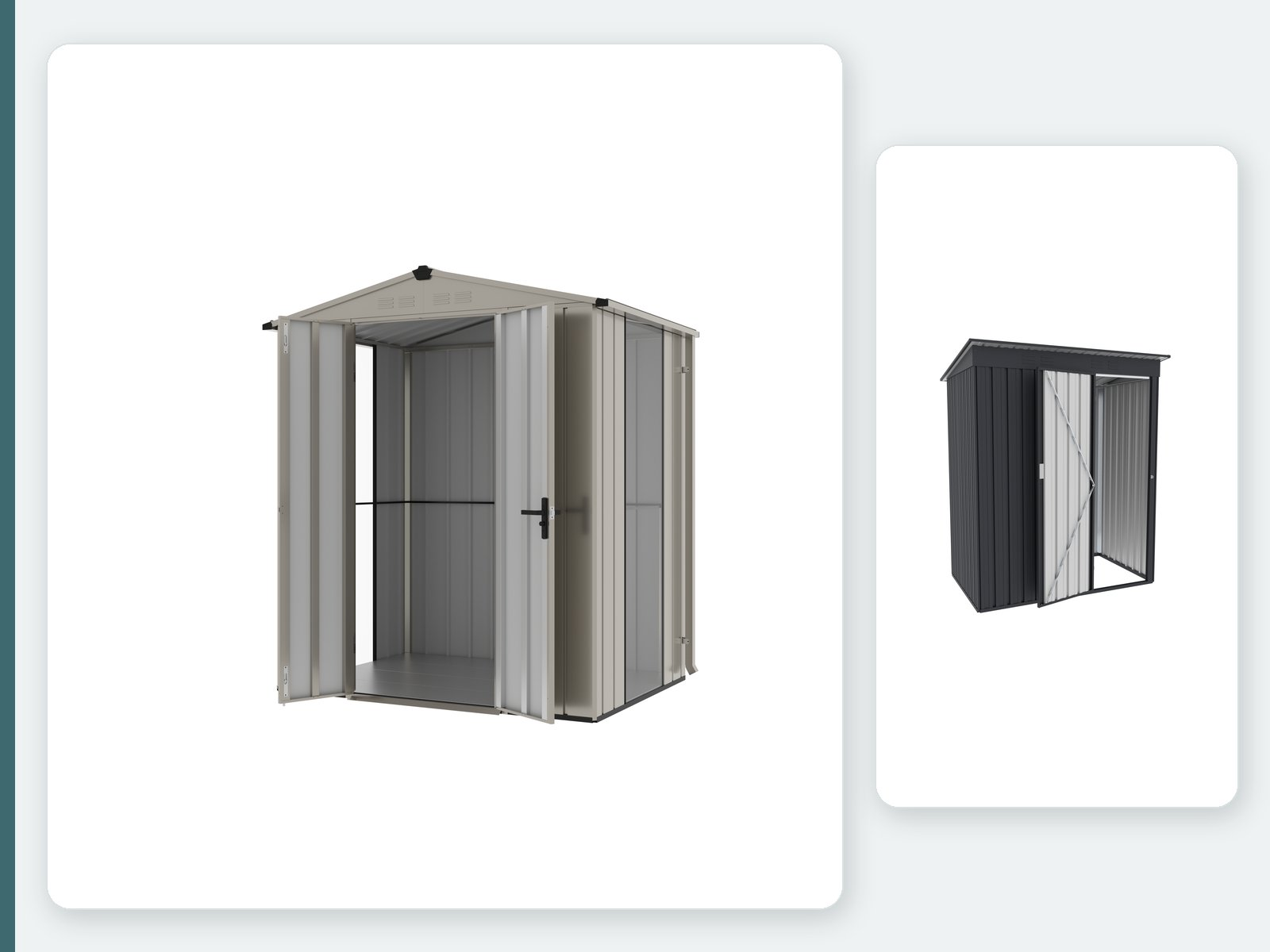
Depending on the selected configuration, the door system may include:
- door panels;
- hinge or sliding-track components;
- handle or latch parts;
- guide rails or stop parts;
- threshold or base relationship parts;
- screws or fasteners dedicated to the door assembly.
For B2B review, confirm whether the manual clearly separates door hardware from general hardware. This helps installers avoid using the wrong screws or fittings in the wrong step.
Door options are platform-specific. Do not assume that a door system available on one shed can be transferred to every model without review.
5. Fasteners, Washers, Hardware Bags and Small Parts
Small parts create a large share of after-sales questions. They are also easy to overlook during quotation because they are not as visible as panels or doors.
The parts list should make hardware easy to identify:
- screws and bolts grouped by type;
- washers or sealing-related parts where applicable;
- nuts, caps, brackets or clips;
- spare or extra hardware if the supplier has approved this for the project;
- clear bag labels that match the manual;
- consistent part codes across carton labels, instructions and after-sales records.
Avoid requesting vague “extra screws” without specifying the project expectation. If the retailer wants spare hardware, that should be confirmed as part of the approved packing plan.
6. Trims, Covers, Vents and Accessory Parts
Some parts do not look structural but still matter for the finished product. Corner trims, edge covers, vents, skylight elements, shelves, hooks or extension-related parts can change the user experience and the retail position.
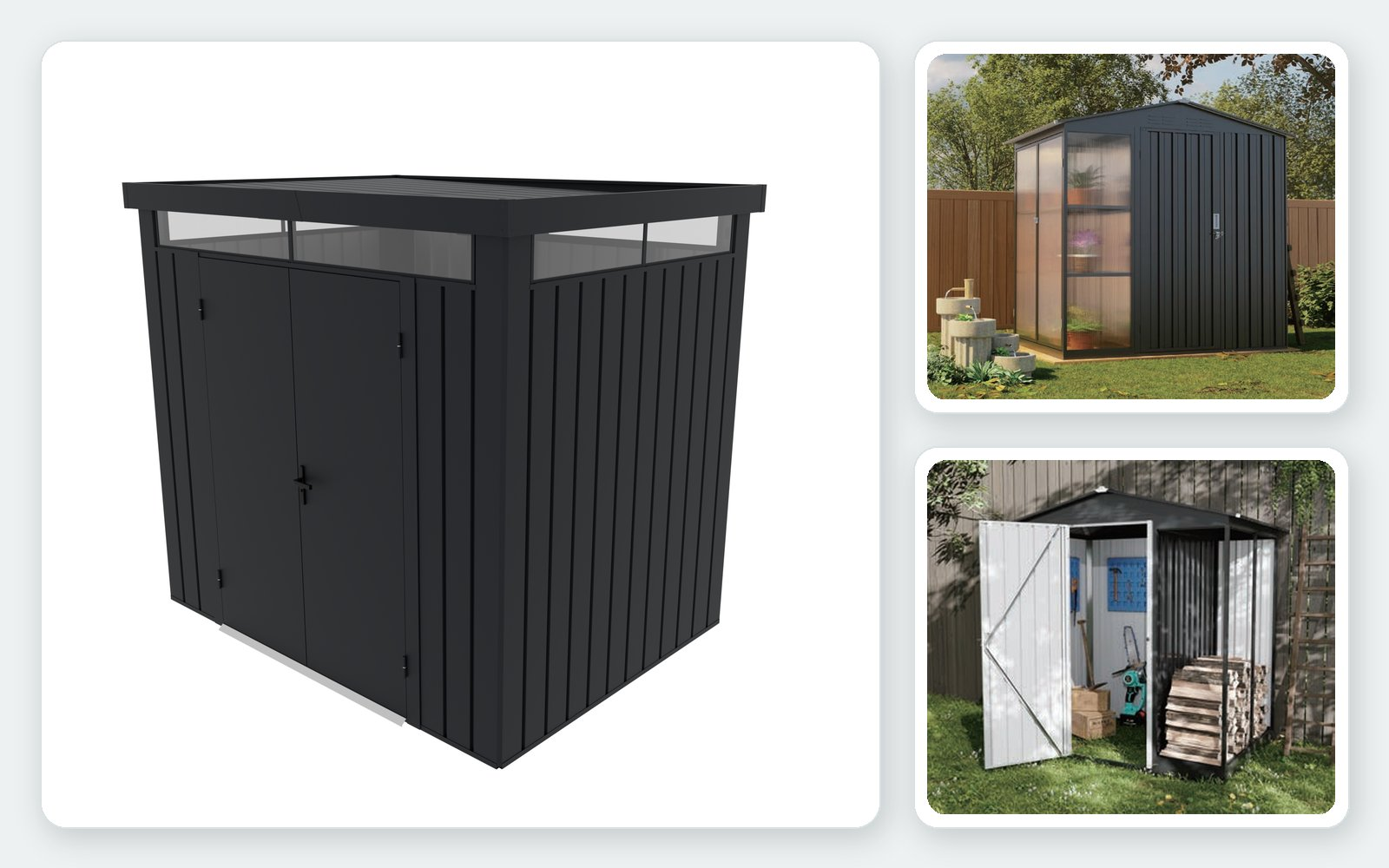
Buyers should confirm whether each item is:
- part of the standard kit;
- optional for selected configurations;
- compatible only with certain sizes or platforms;
- a new development request;
- included in the quotation and packaging plan.
This prevents the common problem where catalogue images, quotation notes and packed parts describe slightly different versions of the product.
Check the Packing List, Not Only the Parts List
A parts list says what components should be in the kit. A packing list explains how those components are packed, labeled and protected.
For importers and retailers, both documents matter. Long panels and profiles may require protection from movement and edge damage. Hardware bags should be easy to find. Instructions should be placed where users can locate them before beginning assembly.
Recensione:
- carton breakdown by product size;
- grouping of panels, profiles, doors and hardware;
- protection for edges, corners and visible surfaces;
- instruction manual placement;
- external labels and part identification;
- whether packaging files match the approved configuration;
- whether the package suits e-commerce, retail-store or distribution handling.
Do not state carton test results, container quantities or damage-performance claims unless they are confirmed for the exact project. If packaging is a major part of the buying decision, also review LERYOU's guide to flat-pack packaging for garden and outdoor products.
After-Sales Review: Can Your Team Identify a Part Quickly?
After-sales teams need more than a nice finished-product image. They need a way to identify which part the customer is describing.
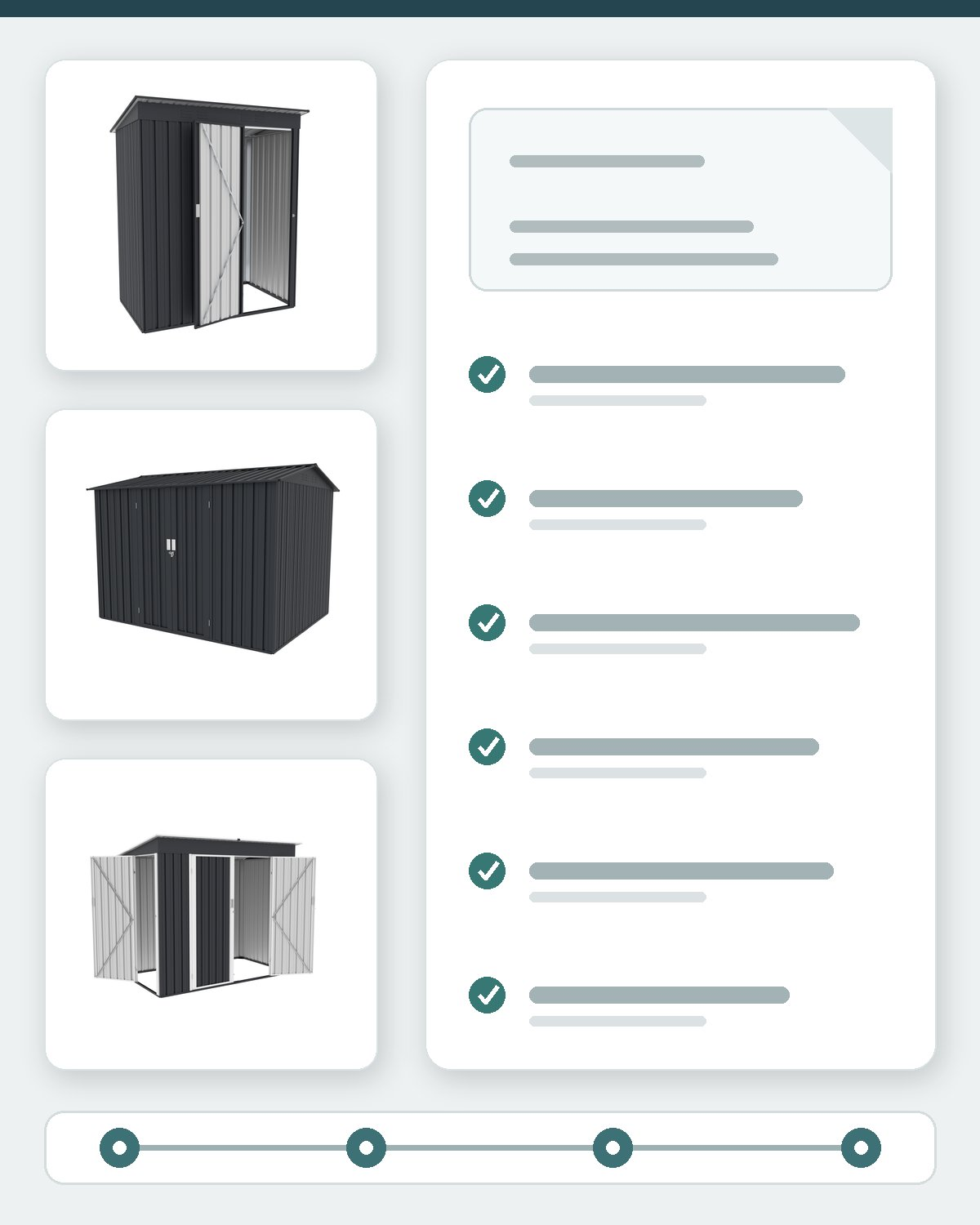
Before launch, ask whether the supplier can support a clear identification flow:
- finished product model or version;
- part number or part code used in the manual;
- carton or bag label reference;
- photo guidance for panels, profiles and hardware;
- relationship between the manual diagram and the actual packed part;
- process for confirming missing or damaged parts.
This does not mean every supplier must promise a universal spare-parts stock program. Spare-parts availability, replacement terms and service process must be confirmed commercially. The important first step is making sure the parts list and manual give both sides the same language.
What Product Managers Should Check Before Listing
For product managers, the parts list supports product data quality. It helps confirm that the listing, manual and real product are aligned before launch.
Use the parts list to check:
- whether the product images match the approved shed version;
- whether the size and configuration described in the listing match the manual;
- whether optional accessories are separated from standard included parts;
- whether assembly claims are realistic and supported by instructions;
- whether replacement-part questions can be answered without guessing;
- whether the same product name, code and version are used across files.
If your team is preparing product data for retail listing, combine this article with the Metal Garden Shed Product Data Checklist for Retailers if available in your internal workflow.
What Procurement Teams Should Ask in an RFQ
A strong RFQ does not need to include every technical detail at the first email, but it should be specific enough for the supplier to understand the requested product system.
Inviare al fornitore:
- target shed type and intended customer use;
- size direction or preferred product range;
- roof and door preference;
- required standard kit contents;
- optional accessories under consideration;
- manual and language requirements;
- packaging channel and label requirements;
- any after-sales part-identification expectation;
- sample review and document-review requirements.
Then ask the supplier to confirm:
- which parts are included in the standard kit;
- which parts are optional or configuration-dependent;
- how hardware bags are labeled;
- how the manual refers to each part;
- how packaging files are controlled after configuration changes;
- what information is needed before quotation can be finalized.
This approach usually creates a more useful conversation than asking for a price against a vague “metal shed” description.
Metal Garden Shed Parts List Review Checklist
Use this checklist before RFQ, sample approval or retail launch.
Product and Version
- Is the shed type clearly identified?
- Is the size or configuration direction clear?
- Are roof, door, base and accessory choices confirmed?
- Is the parts list tied to the same version as the quotation and manual?
Panels and Structure
- Are wall panels easy to identify?
- Are roof parts listed separately from wall parts?
- Are frame profiles, rails and connectors clearly named?
- Are left/right or front/back parts shown clearly?
- Are trims, covers and vents included where applicable?
Hardware and Assembly
- Are fasteners grouped by type?
- Are hardware bags labeled in a way users can follow?
- Does the manual use the same part names or codes?
- Are door components separated from general hardware?
- Are assembly steps consistent with the listed parts?
Packaging and Documentation
- Does the packing list match the parts list?
- Are long panels and profiles protected appropriately?
- Are manual, labels and packaging files aligned with the approved version?
- Are optional accessories separated from standard contents?
- Are after-sales teams able to identify parts from the documentation?
Commercial and Approval Control
- Are optional parts included in the quotation or priced separately?
- Are spare-parts expectations clearly agreed if required?
- Are branding and language requirements documented?
- Are revision changes controlled before sample or production approval?
Common Mistakes to Avoid
Treating the Catalogue Image as the Specification
Images are useful, but they do not replace a confirmed parts list. A catalogue image may not show internal rails, bagged hardware, base details or packaging logic.
Assuming One Parts List Fits Every Shed
Even products in the same family can have different components by size, roof form, door style or accessory package. Confirm the exact model.
Mixing Standard and Optional Parts
If optional shelves, floors, vents, hooks, skylight parts or extensions are shown in marketing material, make sure the quotation states whether they are included.
Ignoring Hardware Identification
Small hardware parts can create disproportionate support issues. Clear labeling and matching manual codes are worth checking early.
Reviewing Packaging Too Late
Packaging is part of the product experience. It affects protection, assembly flow, marketplace complaints and replacement handling. Review it before final approval.
Domande frequenti
What parts are usually included in a metal garden shed kit?
Most kits are built from wall panels, roof panels, frame or rail profiles, door components, fasteners, trims, small hardware and assembly instructions. Exact contents vary by model and configuration.
Should a buyer ask for exact screw quantities before quotation?
For final approval, yes, the selected model should have a clear parts list and hardware breakdown. At early RFQ stage, it is more useful to first define the shed type, size direction, door/roof configuration, packaging channel and documentation requirements.
Are spare parts always included?
No universal assumption should be made. Spare hardware, replacement parts and after-sales service terms must be confirmed for the specific project.
Can the same parts list be used for private-label packaging?
Only if the private-label version uses the same approved configuration. Branding, language, labels, manual files and carton artwork must match the final product version.
What should importers check before approving a sample?
Compare the physical sample against the quotation, parts list, packing list, manual, labels and product images. Any mismatch should be corrected before the product is approved for retail launch.
Work With LERYOU on a Clear Metal Shed Kit Specification
A useful metal garden shed RFQ should define the product system, not just the finished appearance. Send LERYOU your target market, sales channel, shed type, size direction, roof and door preference, packaging expectations and after-sales documentation needs.
You can review the OEM metal garden shed product line, browse Soluzioni per casette da giardino, confronta Tipi di casette da giardino in metallo, oppure contatta LERYOU to discuss a parts-list and RFQ review for your program.
 English
 Deutsch
 Français
 Español
 Italiano
 Polski
 日本語
日本語 한국어
한국어 Nederlands
 Čeština
 Português do Brasil
 Русский