금속 정원 창고는 완성된 보관 제품으로 판매되지만, 구매자는 이를 하나의 단일 품목으로 승인하지 않습니다. 모든 모델 뒤에는 부품 시스템이 있습니다: 벽 패널, 지붕 패널, 프레임 프로파일, 베이스 레일, 도어 부품, 체결 부품, 트림, 라벨, 설명서 및 포장 자재.
리테일 구매자와 수입업자에게 부품 목록은 단순한 조립 문서 이상입니다. 이는 견적이 선택한 창고와 일치하는지, 포장이 유통 채널을 지원할 수 있는지, 사용자 설명서가 현실적인지, 그리고 애프터세일즈 팀이 누락되거나 손상된 부품을 식별하는 방법을 알 수 있는지 확인하는 데 도움이 됩니다.
이 가이드는 RFQ, 샘플 승인 또는 리테일 등록 전에 금속 정원 창고 부품 목록을 검토하는 방법을 설명합니다. 이는 범용 자재 명세서(BOM)가 아닙니다. 정확한 구성품과 수량은 선택한 모델, 크기 및 구성에 대해 항상 확인해야 합니다.
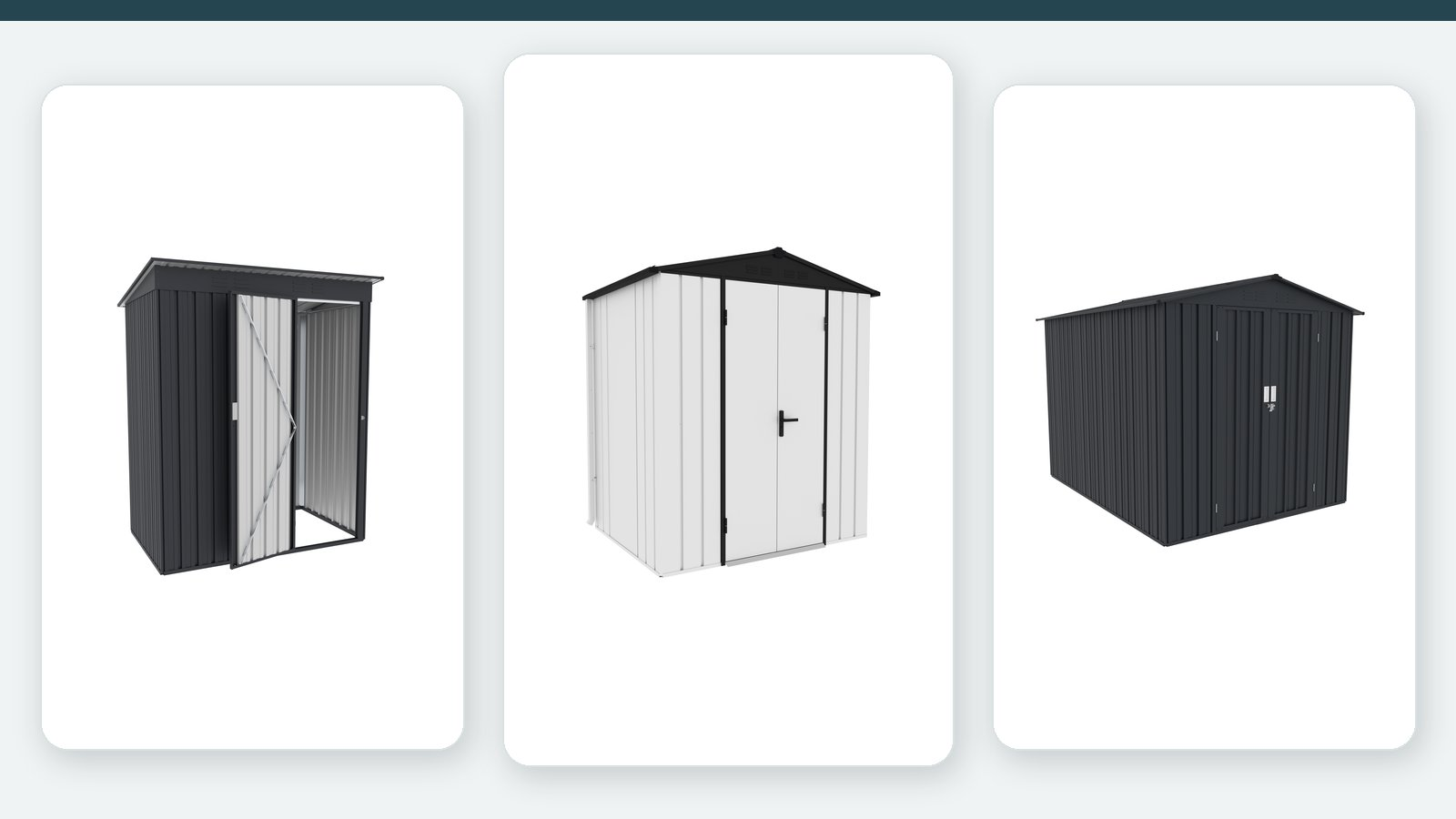
견적 전에 부품 목록이 중요한 이유
많은 금속 창고는 카탈로그 이미지에서 비슷해 보입니다. 실제 차이는 전체 키트를 검토할 때 나타납니다:
- 관련된 패널 유형의 수;
- 지붕과 벽 부품이 연결되는 방식;
- 도어 시스템이 구성된 방식;
- 체결 부품과 트림이 식별되는 방식;
- 패키지 내부에서 부품이 그룹화되는 방식;
- 설명서, 카톤 라벨 및 애프터세일즈 기록이 실제 제품과 일치하는 방식.
부품 목록이 불명확하면 견적은 여전히 수용 가능해 보일 수 있지만, 샘플 검토, 포장 승인, 마켓플레이스 등록, 고객 서비스 또는 교체 부품 처리 과정에서 프로젝트가 더 어려워질 수 있습니다.
B2B 구매자에게 실질적인 질문은 “창고에 나사가 몇 개 들어 있나요?”가 아닙니다. 더 나은 질문은 “우리 팀이 키트에 포함된 모든 부품을 이해하고, 검증하고, 지원할 수 있는가?”입니다.”
승인된 창고 플랫폼부터 시작하세요
부품 목록을 검토하기 전에 제품 플랫폼을 확인하세요. 클래식 금속 창고, 채광창 창고, 평면 벽 창고, 헤비듀티 방향 또는 다기능 창고는 서로 다른 패널, 개구부, 프로파일, 지붕 세부 사항 및 액세서리를 사용할 수 있습니다.
RFQ 시작 시 공급업체에 명확한 제품 방향을 제시하세요:
- 목표 시장 및 판매 채널;
- 의도된 창고 유형 또는 제품군;
- 대략적인 크기 방향 또는 보관 용도;
- 지붕 방향(예: apex, pent 또는 플랫/저경사 컨셉);
- 도어 유형 및 접근 기대치;
- 해당되는 경우 베이스 또는 바닥 요구 사항;
- 포장 채널(예: 이커머스, 리테일 매장 또는 유통업체 취급);
- 브랜딩, 설명서 언어 및 라벨링 요구 사항.
이렇게 하면 부품 목록 논의가 추상적인 창고 컨셉이 아닌 실제 제품에 연결됩니다. 여전히 구색을 계획 중이라면 먼저 LERYOU의 금속 정원 창고 종류 가이드에서 주요 제품 방향을 비교하세요.
금속 정원 창고 키트에 일반적으로 포함되는 핵심 부품
정확한 부품은 모델마다 다르지만, 금속 정원 창고 키트에는 일반적으로 여러 광범위한 그룹이 포함됩니다. 구매자는 각 그룹을 개별적으로 검토해야 합니다. 각 그룹이 조립, 포장 및 애프터세일즈 지원에 영향을 미치기 때문입니다.
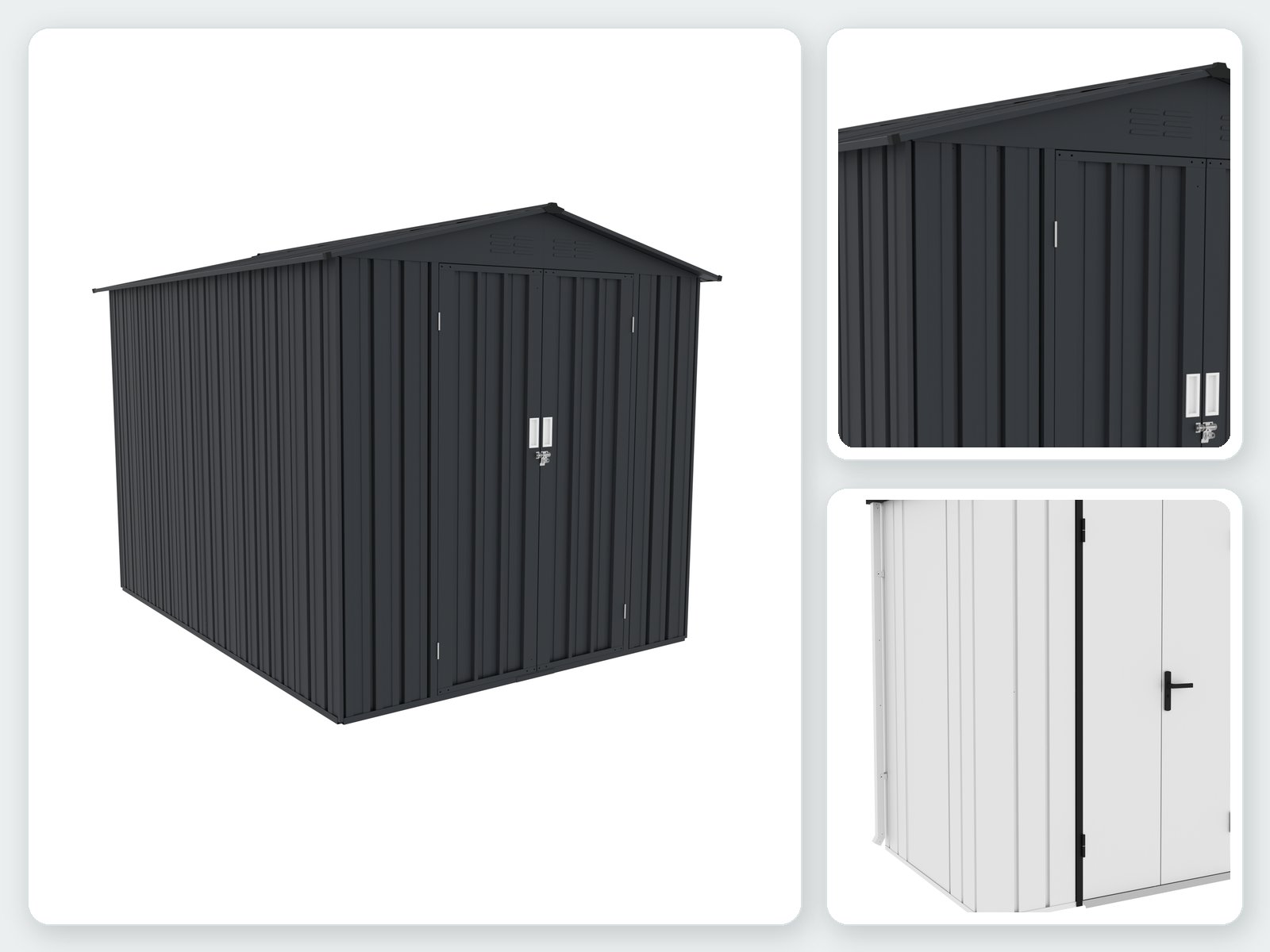
벽 패널
벽 패널은 눈에 보이는 보관 외함을 형성합니다. 플랫폼에 따라 골판형, 수직 리브형 또는 더 평평한 패널 형태를 사용할 수 있습니다. 구매자는 외관만으로 패널을 판단해서는 안 됩니다. 검토에는 다음이 포함되어야 합니다:
- 패널 방향 및 가장자리 처리;
- 패널이 겹치거나 연결되는 방식;
- 패널이 코너, 도어 및 지붕 섹션과 만나는 위치;
- 좌/우 또는 전면/후면 패널 식별이 쉬운지 여부;
- 카톤 내부에서 패널이 보호되는 방식;
- 설명서에 포장된 제품과 동일한 패널 형태가 표시되는지 여부.
제품 관리자에게 이 부분은 창고의 시각적 약속이 조립 현실과 만나는 지점입니다. 제품 페이지에는 깔끔한 외관이 보이지만 부품 목록을 따라가기 어렵다면 출시 후 고객 지원 부담이 커질 수 있습니다.
지붕 패널 및 지붕 가장자리 부품
지붕 부품은 선택한 지붕 콘셉트와 일치해야 합니다. 첨두형, 단경사형, 평면형 또는 저경사형 설계는 각기 다른 용마루, 가장자리, 배수 및 연결 세부 사항을 사용할 수 있습니다.
승인 전에 다음 사항을 검토하십시오.
- 지붕 패널 방향 및 순서;
- 해당되는 경우 용마루 또는 상단 연결 부품;
- 지붕 가장자리 트림 및 모서리 관계;
- 매뉴얼에 표시된 배수 방향;
- 긴 지붕 패널의 포장 보호;
- 부품 목록에서 지붕 부품이 벽 패널과 명확히 구분되어 있는지 여부.
공급업체 제품군의 모든 창고가 동일한 지붕 하드웨어를 사용한다고 가정하지 마십시오. 지붕 구조는 실제 모델을 기준으로 확인해야 합니다.
프레임 프로파일, 베이스 레일 및 구조용 커넥터
프레임은 창고의 기하학적 구조를 결정합니다. 또한 패널, 도어, 지붕 섹션 및 베이스 부품이 조립 중에 정렬되는 방식을 결정합니다.
공급업체에 다음 사항을 확인하도록 요청하십시오:
- 코너 프로파일;
- 상단 및 하단 레일;
- 지붕 지지 프로파일;
- 도어 개구부 프로파일;
- 베이스 또는 바닥 관련 부품;
- 내부 또는 외부 연결 부품;
- 구성에 따라 달라지는 보강 부품.
부품 목록의 이 섹션은 샘플 검토에 중요합니다. 프레임 프로파일이 누락되거나 잘못 식별되거나 다른 부품과 시각적으로 너무 유사한 경우, 모든 부품이 물리적으로 존재하더라도 최종 사용자가 제품을 잘못 조립할 수 있습니다.
더 심층적인 구조 검토를 위해서는 금속 정원 창고 자재 및 구조 가이드 부품 목록과 함께 사용하십시오.
도어 및 액세서리 구성품
도어 부품은 많은 바이어가 예상하는 것보다 사용자의 첫인상에 더 큰 영향을 미칩니다. 창고의 수납 용적이 적절하더라도 접근 시스템이 제대로 정의되지 않으면 불편하게 느껴질 수 있습니다.
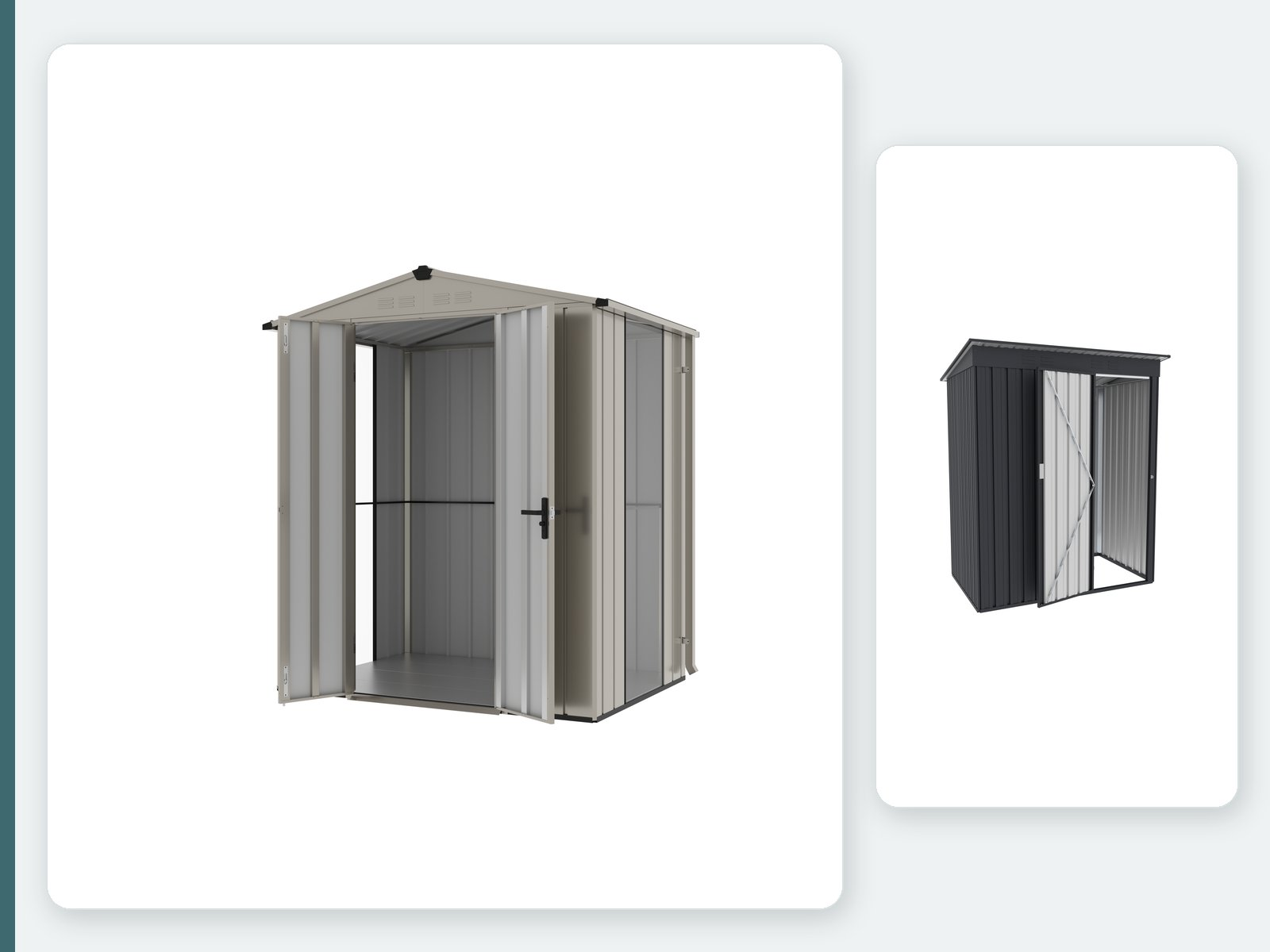
선택한 구성에 따라 도어 시스템에는 다음이 포함될 수 있습니다:
- 도어 패널;
- 경첩 또는 슬라이딩 트랙 구성품;
- 손잡이 또는 잠금장치 부품;
- 가이드 레일 또는 스톱 부품;
- 문턱 또는 베이스 관련 부품;
- 도어 조립 전용 나사 또는 체결구.
B2B 검토 시, 매뉴얼이 도어 하드웨어를 일반 하드웨어와 명확히 구분하는지 확인하십시오. 이는 설치자가 잘못된 단계에서 잘못된 나사나 부속품을 사용하는 것을 방지하는 데 도움이 됩니다.
도어 옵션은 플랫폼별로 다릅니다. 한 창고에서 사용 가능한 도어 시스템이 검토 없이 모든 모델에 적용될 수 있다고 가정하지 마십시오.
체결구, 와셔, 하드웨어 백 및 소형 부품
소형 부품은 애프터세일 문의의 상당 부분을 차지합니다. 패널이나 도어만큼 눈에 띄지 않기 때문에 견적 과정에서 간과되기 쉽습니다.
부품 목록은 하드웨어를 쉽게 식별할 수 있어야 합니다:
- 유형별로 분류된 나사 및 볼트;
- 해당되는 경우 와셔 또는 밀봉 관련 부품;
- 너트, 캡, 브래킷 또는 클립;
- 공급업체가 프로젝트에 대해 승인한 경우 예비 또는 추가 하드웨어;
- 매뉴얼과 일치하는 명확한 백 라벨;
- 카톤 라벨, 설명서 및 애프터세일 기록 전반에 걸친 일관된 부품 코드.
프로젝트 기대치를 명시하지 않고 막연한 “추가 나사”를 요청하지 마십시오. 리테일러가 예비 하드웨어를 원하는 경우, 승인된 포장 계획의 일부로 확인되어야 합니다.
트림, 커버, 통풍구 및 액세서리 부품
일부 부품은 구조적으로 보이지 않지만 완제품에는 여전히 중요합니다. 코너 트림, 모서리 커버, 통풍구, 채광창 요소, 선반, 후크 또는 확장 관련 부품은 사용자 경험과 리테일 포지셔닝을 바꿀 수 있습니다.
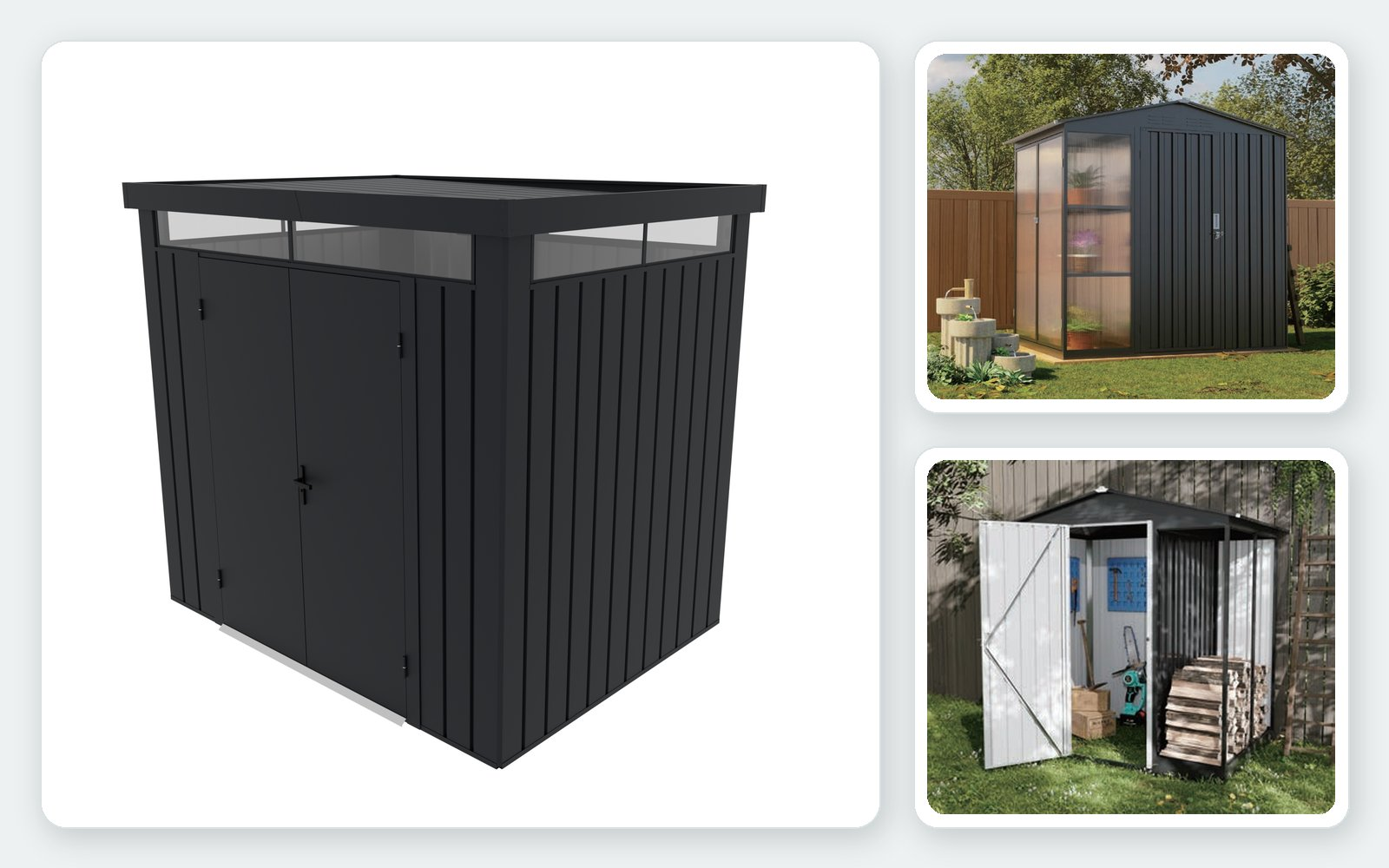
바이어는 각 항목이 다음에 해당하는지 확인해야 합니다:
- 표준 키트의 일부;
- 선택한 구성에 대한 옵션;
- 특정 크기 또는 플랫폼에만 호환;
- 신규 개발 요청;
- 견적 및 포장 계획에 포함.
이는 카탈로그 이미지, 견적 메모 및 포장된 부품이 제품의 약간 다른 버전을 설명하는 일반적인 문제를 방지합니다.
부품 목록뿐만 아니라 포장 목록도 확인하십시오
부품 목록은 키트에 어떤 구성품이 있어야 하는지를 설명합니다. 포장 목록은 해당 구성품이 어떻게 포장되고 라벨링되며 보호되는지를 설명합니다.
수입업체와 리테일러에게는 두 문서 모두 중요합니다. 긴 패널과 프로파일은 이동 및 모서리 손상으로부터 보호가 필요할 수 있습니다. 하드웨어 백은 찾기 쉬워야 합니다. 설명서는 사용자가 조립을 시작하기 전에 찾을 수 있는 위치에 배치되어야 합니다.
리뷰:
- 제품 크기별 카톤 분류;
- 패널, 프로파일, 도어 및 하드웨어 그룹화;
- 모서리, 코너 및 노출 표면 보호;
- 설명서 배치;
- 외부 라벨 및 부품 식별.;
- whether packaging files match the approved configuration;
- whether the package suits e-commerce, retail-store or distribution handling.
Do not state carton test results, container quantities or damage-performance claims unless they are confirmed for the exact project. If packaging is a major part of the buying decision, also review LERYOU's guide to flat-pack packaging for garden and outdoor products.
After-Sales Review: Can Your Team Identify a Part Quickly?
After-sales teams need more than a nice finished-product image. They need a way to identify which part the customer is describing.
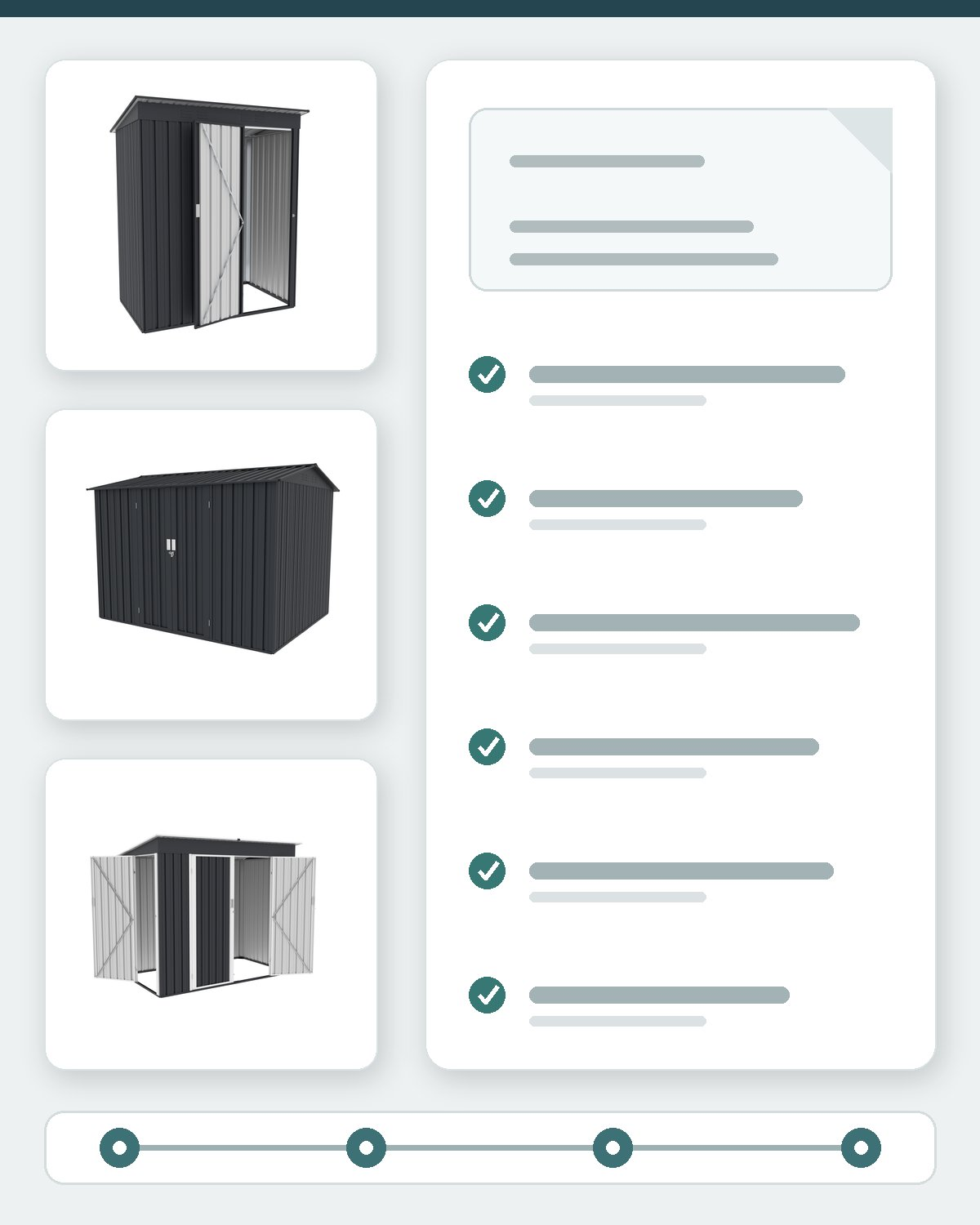
Before launch, ask whether the supplier can support a clear identification flow:
- finished product model or version;
- part number or part code used in the manual;
- carton or bag label reference;
- photo guidance for panels, profiles and hardware;
- relationship between the manual diagram and the actual packed part;
- process for confirming missing or damaged parts.
This does not mean every supplier must promise a universal spare-parts stock program. Spare-parts availability, replacement terms and service process must be confirmed commercially. The important first step is making sure the parts list and manual give both sides the same language.
What Product Managers Should Check Before Listing
For product managers, the parts list supports product data quality. It helps confirm that the listing, manual and real product are aligned before launch.
Use the parts list to check:
- whether the product images match the approved shed version;
- whether the size and configuration described in the listing match the manual;
- whether optional accessories are separated from standard included parts;
- whether assembly claims are realistic and supported by instructions;
- whether replacement-part questions can be answered without guessing;
- whether the same product name, code and version are used across files.
If your team is preparing product data for retail listing, combine this article with the 리테일러를 위한 메탈 정원 창고 제품 데이터 체크리스트 if available in your internal workflow.
What Procurement Teams Should Ask in an RFQ
A strong RFQ does not need to include every technical detail at the first email, but it should be specific enough for the supplier to understand the requested product system.
공급업체에 보내십시오:
- target shed type and intended customer use;
- size direction or preferred product range;
- roof and door preference;
- required standard kit contents;
- optional accessories under consideration;
- manual and language requirements;
- packaging channel and label requirements;
- any after-sales part-identification expectation;
- sample review and document-review requirements.
Then ask the supplier to confirm:
- which parts are included in the standard kit;
- which parts are optional or configuration-dependent;
- how hardware bags are labeled;
- how the manual refers to each part;
- how packaging files are controlled after configuration changes;
- what information is needed before quotation can be finalized.
This approach usually creates a more useful conversation than asking for a price against a vague “metal shed” description.
Metal Garden Shed Parts List Review Checklist
Use this checklist before RFQ, sample approval or retail launch.
Product and Version
- Is the shed type clearly identified?
- Is the size or configuration direction clear?
- Are roof, door, base and accessory choices confirmed?
- Is the parts list tied to the same version as the quotation and manual?
Panels and Structure
- Are wall panels easy to identify?
- Are roof parts listed separately from wall parts?
- Are frame profiles, rails and connectors clearly named?
- Are left/right or front/back parts shown clearly?
- Are trims, covers and vents included where applicable?
Hardware and Assembly
- Are fasteners grouped by type?
- Are hardware bags labeled in a way users can follow?
- Does the manual use the same part names or codes?
- Are door components separated from general hardware?
- Are assembly steps consistent with the listed parts?
포장 및 설명서
- Does the packing list match the parts list?
- Are long panels and profiles protected appropriately?
- Are manual, labels and packaging files aligned with the approved version?
- Are optional accessories separated from standard contents?
- Are after-sales teams able to identify parts from the documentation?
Commercial and Approval Control
- Are optional parts included in the quotation or priced separately?
- Are spare-parts expectations clearly agreed if required?
- Are branding and language requirements documented?
- Are revision changes controlled before sample or production approval?
Common Mistakes to Avoid
Treating the Catalogue Image as the Specification
Images are useful, but they do not replace a confirmed parts list. A catalogue image may not show internal rails, bagged hardware, base details or packaging logic.
Assuming One Parts List Fits Every Shed
Even products in the same family can have different components by size, roof form, door style or accessory package. Confirm the exact model.
Mixing Standard and Optional Parts
If optional shelves, floors, vents, hooks, skylight parts or extensions are shown in marketing material, make sure the quotation states whether they are included.
Ignoring Hardware Identification
Small hardware parts can create disproportionate support issues. Clear labeling and matching manual codes are worth checking early.
Reviewing Packaging Too Late
Packaging is part of the product experience. It affects protection, assembly flow, marketplace complaints and replacement handling. Review it before final approval.
자주 묻는 질문
What parts are usually included in a metal garden shed kit?
Most kits are built from wall panels, roof panels, frame or rail profiles, door components, fasteners, trims, small hardware and assembly instructions. Exact contents vary by model and configuration.
Should a buyer ask for exact screw quantities before quotation?
For final approval, yes, the selected model should have a clear parts list and hardware breakdown. At early RFQ stage, it is more useful to first define the shed type, size direction, door/roof configuration, packaging channel and documentation requirements.
Are spare parts always included?
No universal assumption should be made. Spare hardware, replacement parts and after-sales service terms must be confirmed for the specific project.
Can the same parts list be used for private-label packaging?
Only if the private-label version uses the same approved configuration. Branding, language, labels, manual files and carton artwork must match the final product version.
What should importers check before approving a sample?
Compare the physical sample against the quotation, parts list, packing list, manual, labels and product images. Any mismatch should be corrected before the product is approved for retail launch.
Work With LERYOU on a Clear Metal Shed Kit Specification
A useful metal garden shed RFQ should define the product system, not just the finished appearance. Send LERYOU your target market, sales channel, shed type, size direction, roof and door preference, packaging expectations and after-sales documentation needs.
You can review the OEM metal garden shed product line, browse 정원 창고 솔루션, 비교 금속 정원 창고 종류, 또는 LERYOU에 문의하기 to discuss a parts-list and RFQ review for your program.
 English
 Deutsch
 Français
 Español
 Italiano
 Polski
 日本語
日本語 한국어
한국어 Nederlands
 Čeština
 Português do Brasil
 Русский